Meaning
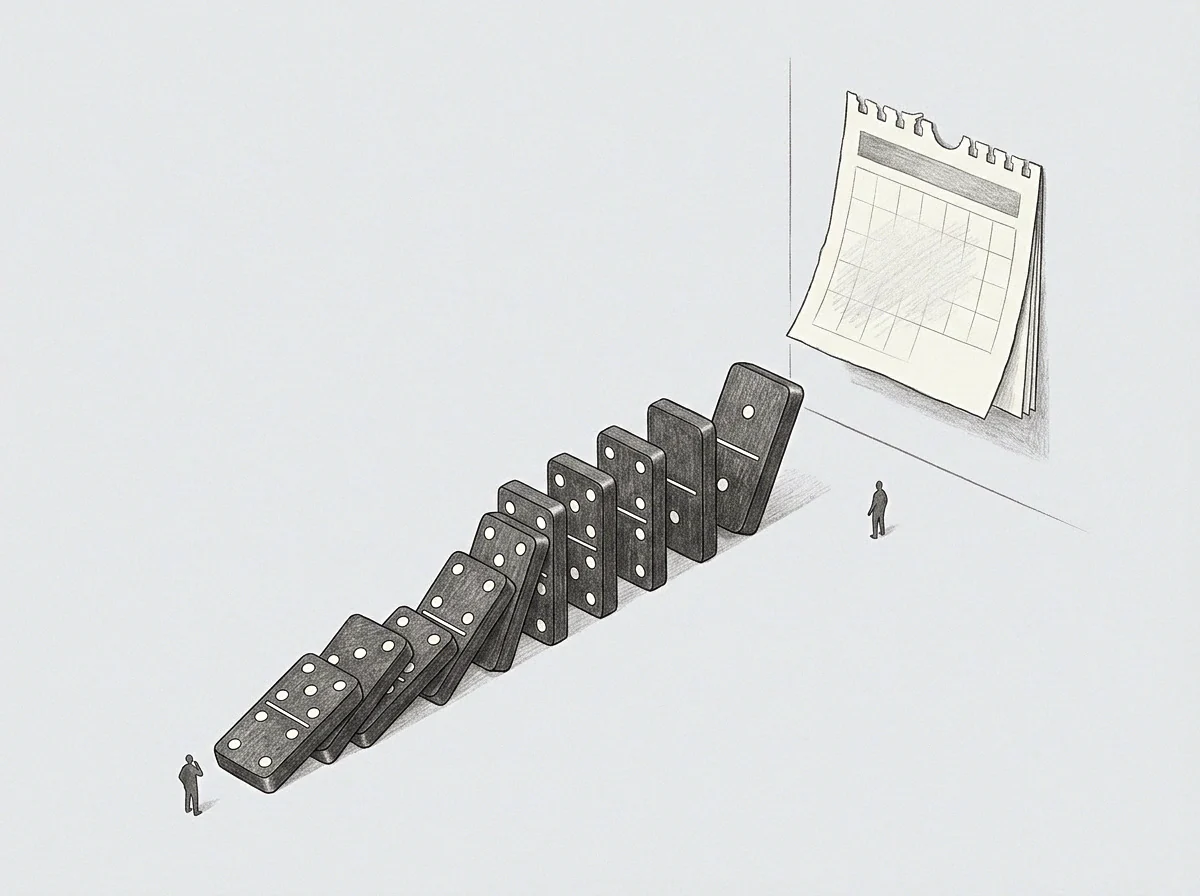
Organizational knowledge depreciation occurs when unwritten procedural expertise, historical context and relational networks disappear following the departure of tenured personnel. Progressive institutional memory decay erodes technical execution capacity, vendor bargaining leverage and operational continuity when organizations rely on undocumented individual habit rather than codified systems. This breakdown governs internal procedural competence, client relationship management and architectural code maintenance, halting only where comprehensive documentation captures underlying business logic.
For an enterprise transitioning away from its original architect, this informational loss degrades technical resilience across every department.
Attrition Dynamics
Departure events trigger the permanent loss of historical context and unwritten problem-solving workflows. Progressive institutional memory decay accelerates when rapid personnel turnover separates operational teams from the originators of custom proprietary tools. Newer personnel lack the operational background necessary to interpret legacy codebase trade-offs, contractual histories and regulatory exemptions negotiated by previous management.
Operational friction escalates as incoming teams repeatedly troubleshoot previously resolved engineering failures or execute sub-optimal vendor renegotiations. The organization wastes energy recreating functional capabilities that existed unrecorded inside departing executives.
Codification Friction
Systematic procedural extraction demands substantial capital allocations and hours away from revenue generation. Counteracting institutional memory decay requires tenured founders to convert intuitive workflows into static training manuals, architectural schematics and policy runbooks before stepping down. This extraction process consumes executive capacity and demands deliberate mental discipline from leaders accustomed to rapid intuitive action.
The emotional cost to the founder lies in recognizing that unwritten craft must be reduced to accessible operational procedures. Documenting relational nuance and technical edge cases prevents catastrophic operational blind spots following founder departures.
Systemic Exposure
Operational vulnerability expands exponentially as legacy knowledge assets decay without intervention. Unrecorded dependencies in enterprise infrastructure generate acute outages when minor component shifts trigger unexpected enterprise-wide failures. Restoring technical stability without original design context drains financial reserves and diverts engineering focus from strategic expansion.
Institutional durability requires active knowledge preservation across every personnel cycle.