Meaning
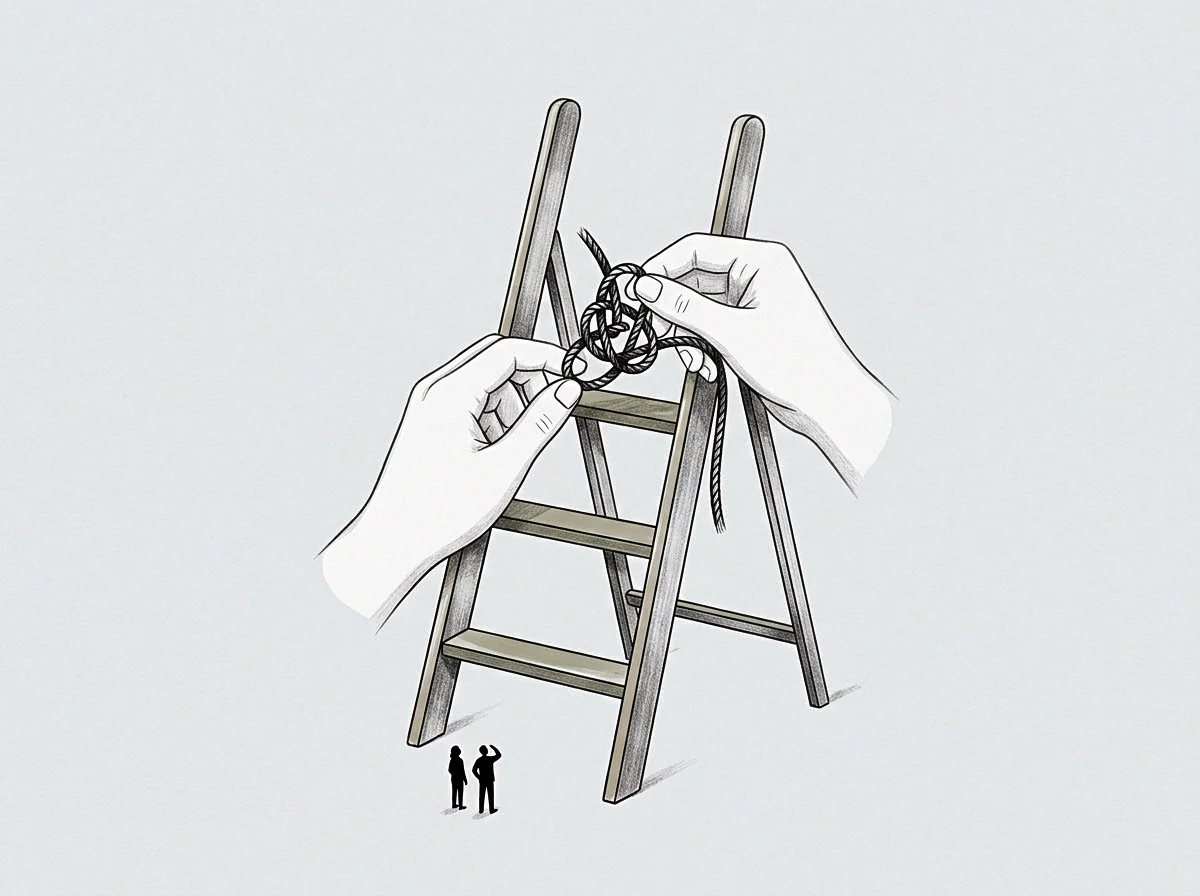
Organizational transfer processes that retrieve and document the undocumented expertise of key personnel protect enterprises from losing critical operational capabilities. A systematic knowledge extraction captures the specialized techniques and strategic insights held by founding executives before they depart. This structured practice ensures that the operational methods of the business survive the transition to new leadership.
Process Method
Structured interviews and direct observations of daily tasks are common methods used to document tacit skills. Through systematic knowledge extraction, the administrative team converts these observations into accessible playbooks and training manuals. This work reduces the company’s reliance on the physical presence of a single individual.
Organizational Continuity
New executives frequently struggle to execute their roles efficiently when the historical context of key decisions is missing. Executing a knowledge extraction before the transition occurs preserves this context, allowing the successor to make informed choices that align with the company’s historical strengths. This systematic approach reduces the operational friction that typically accompanies a change in leadership.
It also ensures that long-term client relationships and proprietary processes remain uninterrupted during the handover period.
Strategic Value
Retaining this proprietary operational insight helps the firm sustain its competitive advantages in the market. It prevents the dilution of service quality and maintains the core standards that the founders originally established.