
Tacit Knowledge Residual Decay During Executive Management Succession Sequences
Tacit knowledge decay occurs as incoming executives lose access to uncodified decision heuristics following the abrupt removal of transitional cognitive scaffolding.
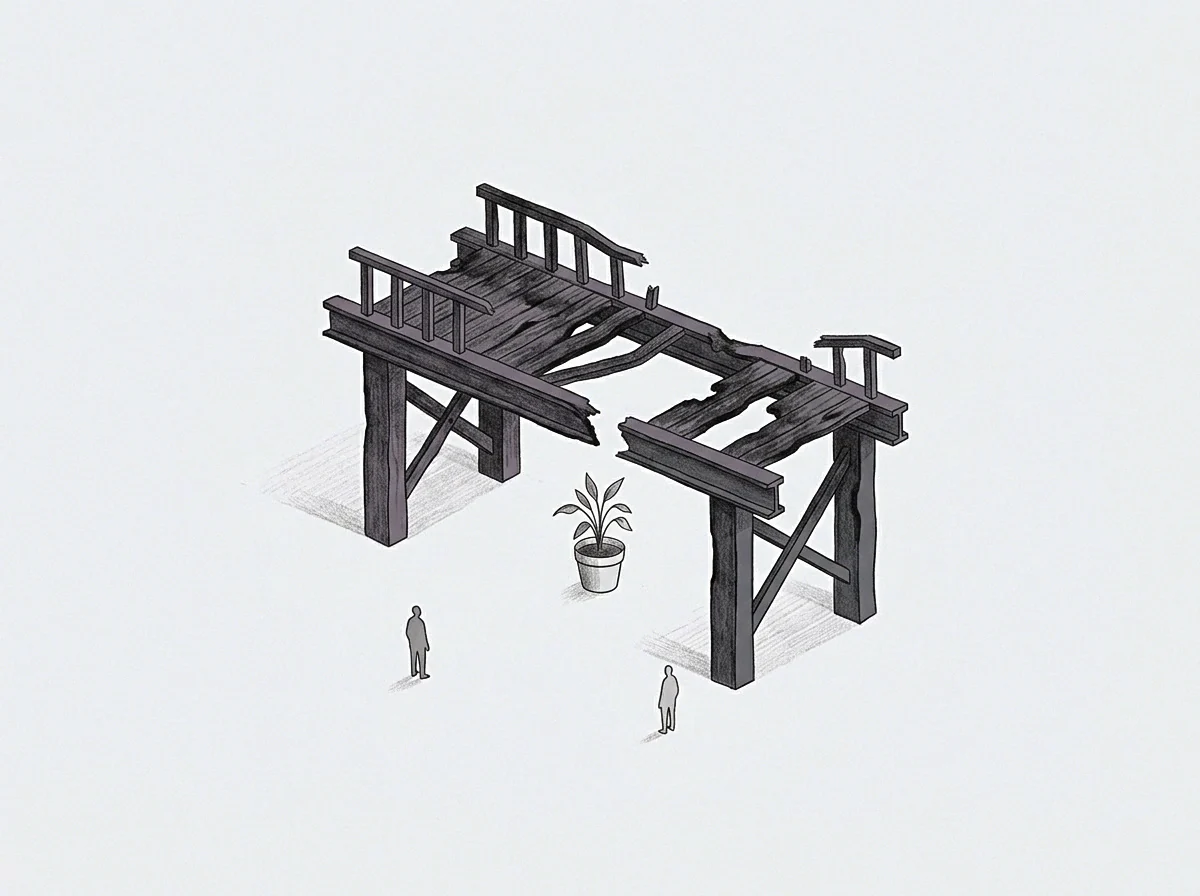
Vault
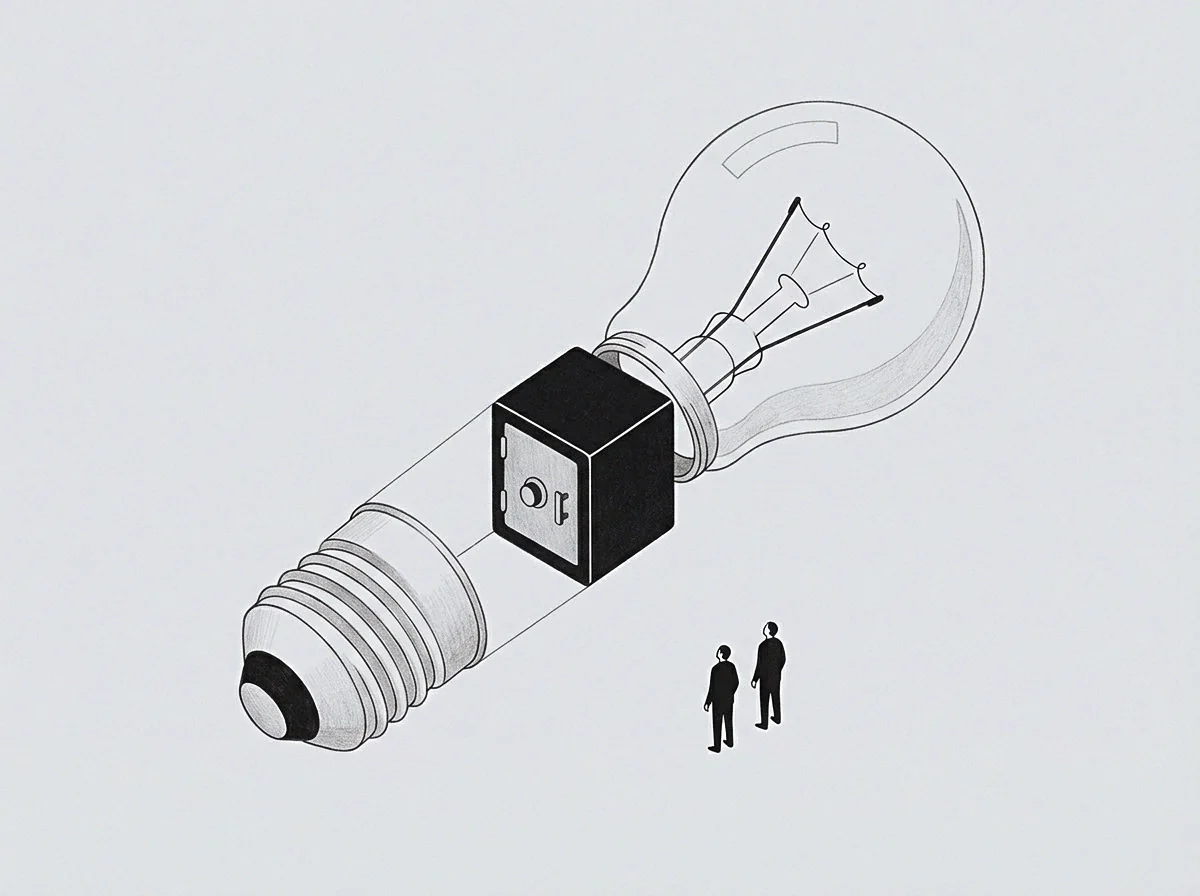
Operating manuals describe standard procedures, but executive intuition determines when and how those procedures actually apply. Handbooks, corporate policies, and org charts capture past structural decisions as static records. The mental models that shaped those decisions, however, remain with the outgoing leader.
When an executive steps down, the company keeps the documentation but loses the interpretive framework behind it.
Written policies maintain standard routines, while unwritten rules govern how decisions get timed and prioritized. Handing over corporate governance files creates an appearance of continuity: logins transfer, organization charts update, and standard operating procedures remain accessible. Yet the successor inherits past outcomes without the cognitive filters used to weigh competing trade-offs.
As Polanyi noted, people routinely know more than they can put into words, and executive management depends on situational heuristics developed over years on the job.
Tacit heuristics decay exponentially when an incoming executive attempts to execute codified procedures without observing the historical trade-offs that formed them.
When an unscripted crisis emerges, written manuals offer little practical guidance. The new leader has to reconstruct decision rules that the predecessor applied instinctively, introducing friction and misaligned risk thresholds. Formal authority transfers immediately on appointment, but operational calibration develops only through managing real disruptions.
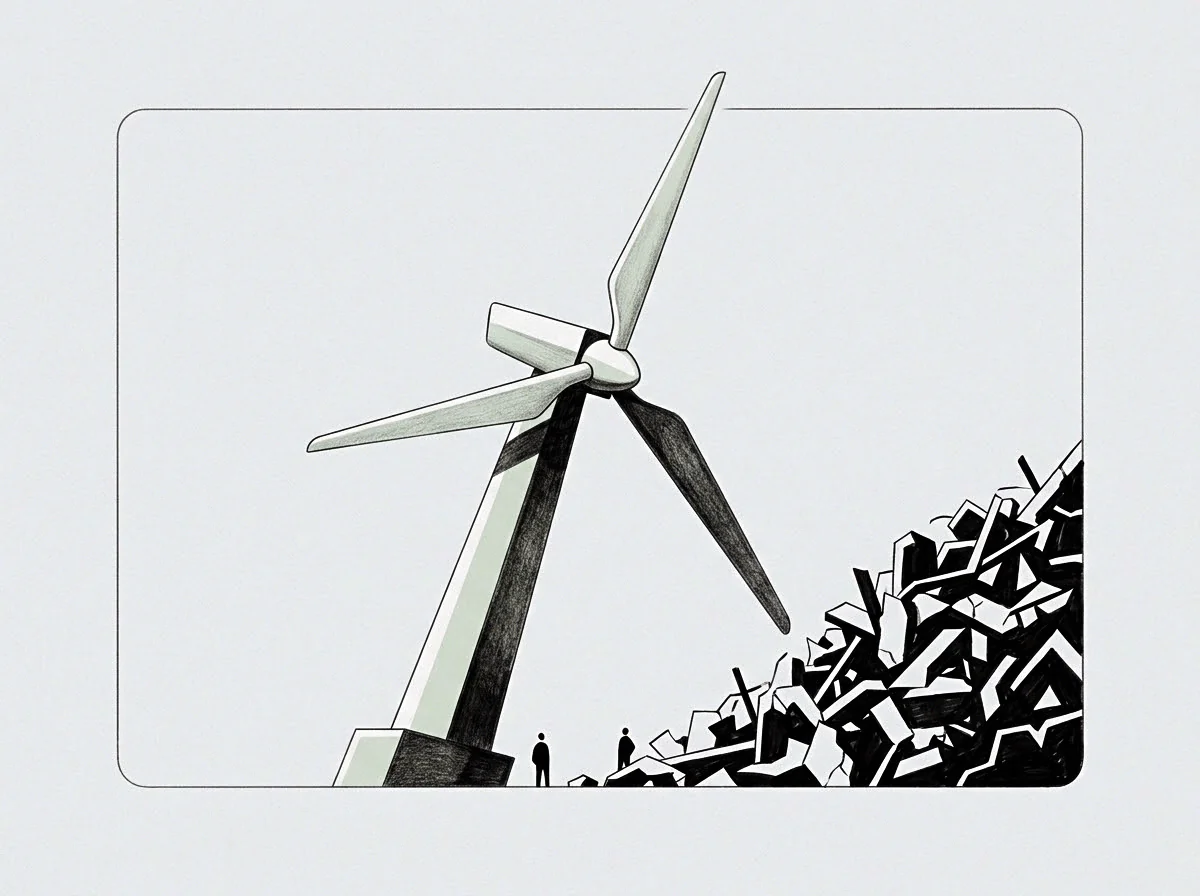
Scaffold
Phased transitions protect institutional memory by pacing the handover of executive responsibility across distinct operational windows. An abrupt departure leaves the successor without a buffer. Because practical judgment cannot simply be written down, transferring it requires dedicated periods where the successor observes live risk management in real time.
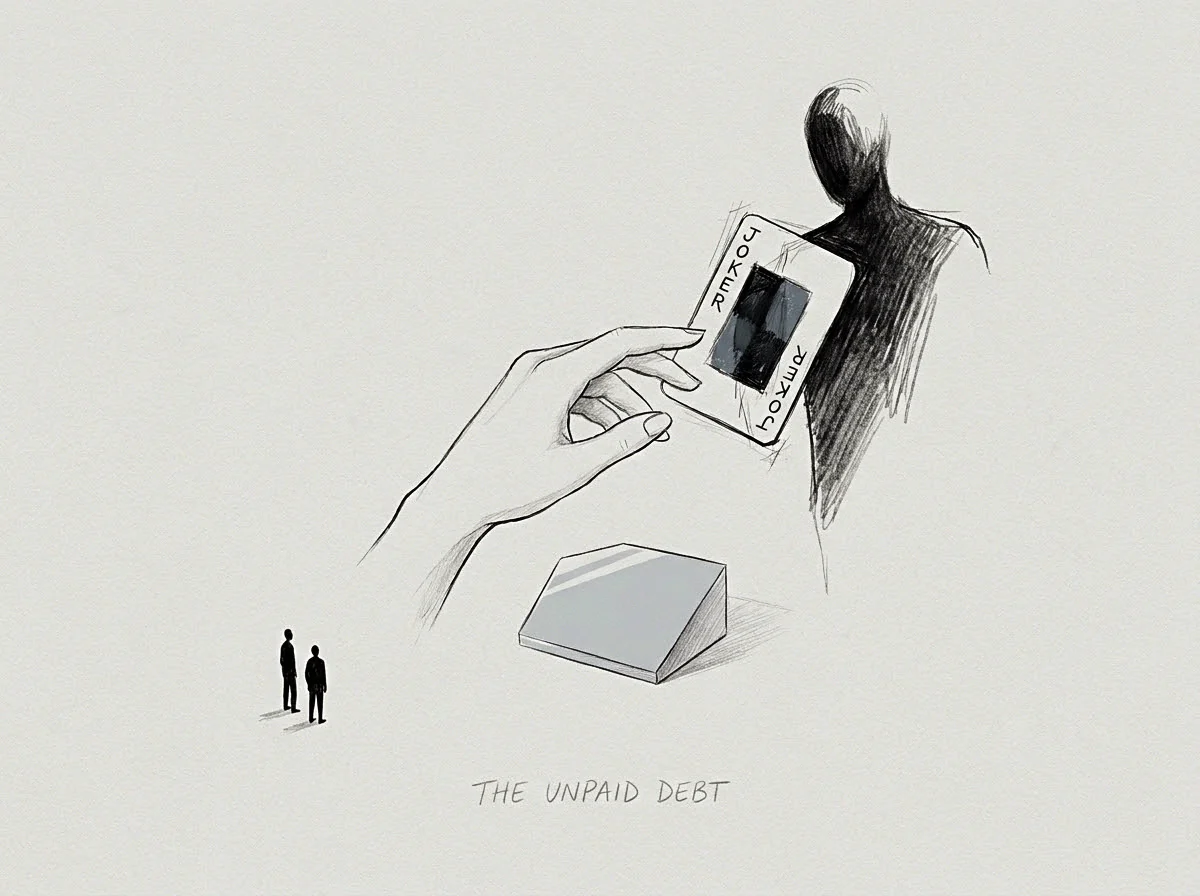
How Staged Observation Prevents Heuristic Shock
Staged observation shields the successor while initial mental models form. Cognitive transfer works best when the incoming leader handles tasks just beyond independent capability while retaining structural support. The departing executive provides this backing, gradually stepping back as the successor demonstrates a command of undocumented variables.
Succession plans that skip this observational stage frequently encounter operational drops during unusual edge cases.
- Shadow observation during live negotiations exposes unwritten counterparty boundaries.
- Joint execution of capital allocation decisions tests whether shared judgment matches written policy.
- Parallel authority where the successor leads operational calls while the predecessor holds veto power over structural exceptions.
- Complete transfer of signature authority combined with asynchronous retroanalysis of edge cases.
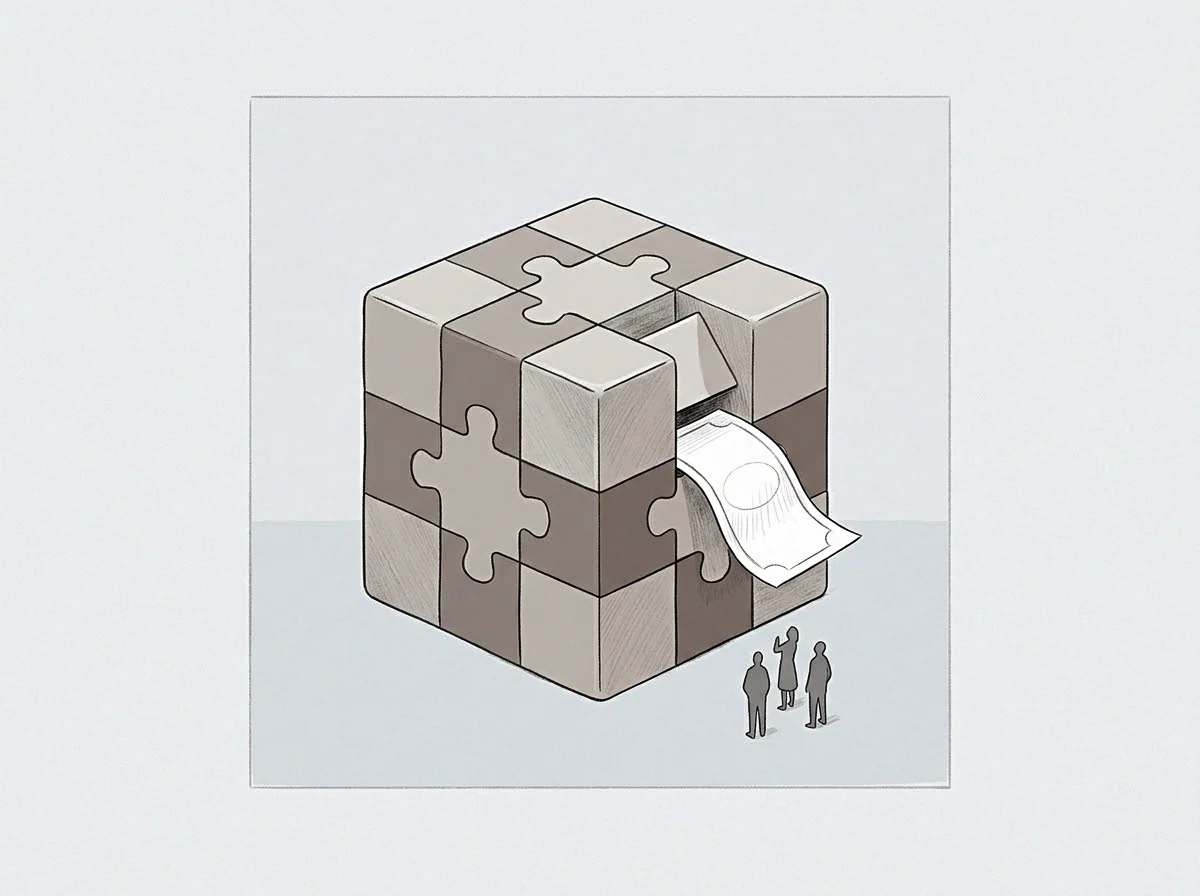
What Limits Knowledge Codification in Founder Exits?
Informal trust networks erode rapidly after a handover. Founder-led companies rely heavily on personal relationships and unwritten understandings that do not show up on standard process maps. For example, a founder often knows which supplier will accept delayed payment terms during cash flow crunches without assessing penalties, an understanding held entirely in personal memory.
Removing cognitive support before a successor encounters three major operational exceptions forces reliance on simplified heuristics that degrade organizational performance.
When a succession window is compressed, that relational context disappears. The incoming leader may strictly enforce written contract terms and inadvertently damage supplier goodwill built on unwritten flexibility. Standard documentation covers routine operations, but it rarely explains why certain counterparties receive leeway while others do not.

Decay
Loss of tacit knowledge follows clear patterns when executive overlap ends prematurely. The half-life of undocumented operating insight shortens once direct contact stops. Successors often mistake absent context for process inefficiency, unintentionally removing vital informal risk controls.

Mechanisms of Contextual Information Loss
Institutional memory does not translate neatly into documentation. When operational problems arise, new leadership tends to apply general management assumptions rather than firm-specific precedent. This gap leads to recurring strategic missteps around problems previous leadership had already addressed through unwritten practices.
- Relational network erosion occurs when informal trust channels between key client executives and the outgoing leader disappear without active relational introduction.
- Heuristic compression describes the tendency of incoming leadership to misinterpret nuanced conditional rules as absolute structural mandates.
- Boundary threshold collapse happens when unspoken operational limits governing financial exposure are breached due to missing contextual memory.
Loss of context compounds when an incoming executive works under acute stress. Under pressure, leaders naturally revert to operational habits developed at previous firms, diluting the organization’s specific operating methods with generic external playbooks.
Treating undocumented operational adjustments as systemic errors often leads incoming executives to dismantle key risk controls, incurring high correction expenses within eighteen months.
Floor
Baseline operational stability depends directly on how much tacit judgment remains in the company following a transition. Formal documentation regularly outlives the context required to use it. Once tacit memory falls below a critical level, day-to-day efficiency deteriorates regardless of handbook quality or software documentation.
Comparative Decoupling Across Succession Phases
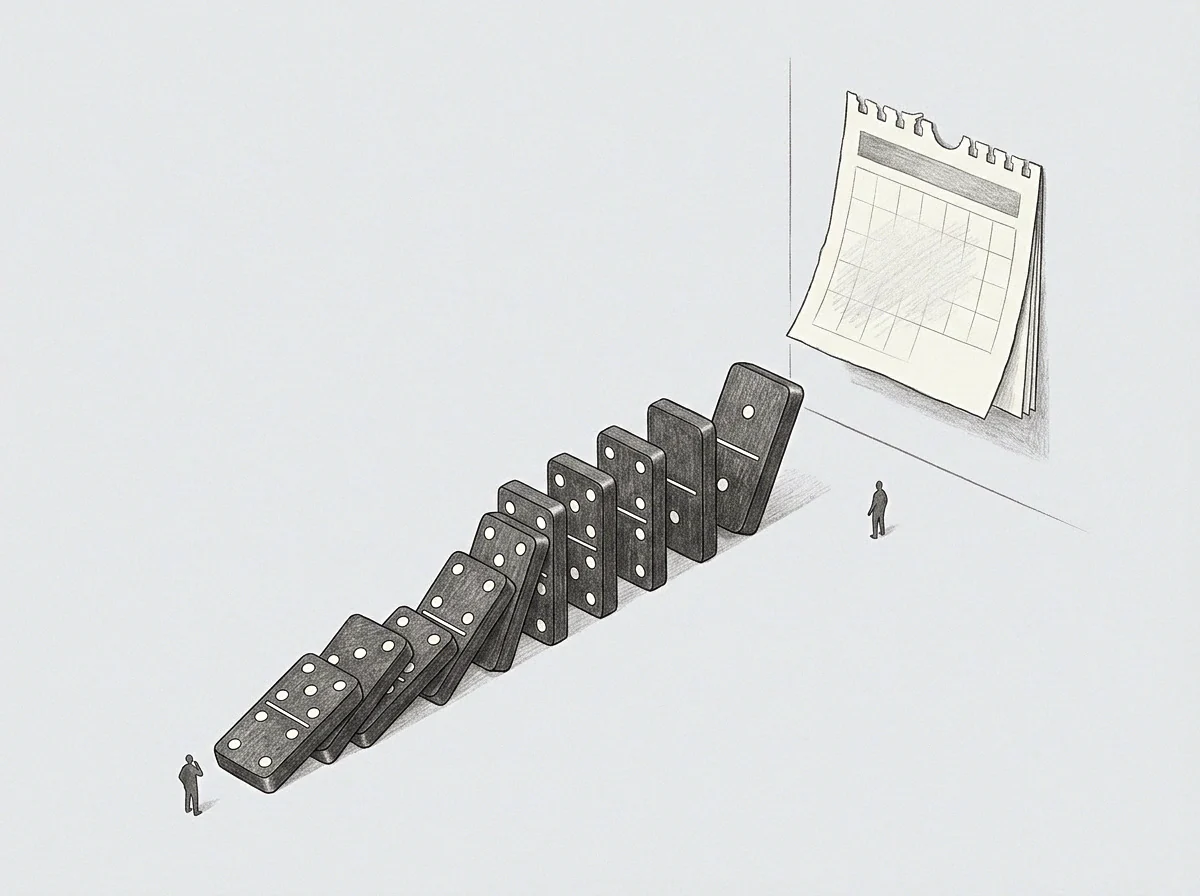
Severance structures have a direct bearing on knowledge transfer. The table below outlines how explicit documentation stays intact while underlying heuristics decline across standard transition stages.
| Succession Phase | Explicit Artifact Retention | Tacit Heuristic Retention | Primary Risk Factor |
|---|---|---|---|
| Preparation Phase | High (100%) | High (95%) | Documentation ambiguity |
| Co-Execution Phase | High (100%) | Moderate (75%) | Superficial shadowing |
| Grip Phase | Moderate (85%) | Low (40%) | Premature scaffold removal |
| Autonomous Phase | Low (60%) | Residual (15%) | Contextual misinterpretation |
| Data reflects typical cognitive decay trajectories observed in executive transitions without structured debriefing protocols. | |||
Executive transitions strip operational nuance long before formal documentation shows signs of obsolescence.
Protecting baseline performance requires deliberate capture mechanisms before the final exit date. Adding a six-month asynchronous debriefing requirement to executive severance agreements helps preserve critical context by linking final equity vesting to structured scenario reviews.

Exit
An executive’s final departure marks the shift from active knowledge transfer to complete reliance on institutionalized procedures. Structured exit protocols reduce knowledge loss by translating implicit reasoning into accessible archives. Organizations that treat an exit as a single date lose significantly more institutional memory than those that build extended transition periods.
Designing the Departure Architecture
Asynchronous debriefs capture the reasoning behind historical decisions far more effectively than standard exit interviews. In these sessions, the incoming executive walks through live edge cases while the departing leader talks through their diagnostic process step by step, surfacing the cognitive filters that guide daily operational judgment.
A succession sequence completes only when the incoming executive successfully predicts the predecessor’s decision choice in an unscripted crisis.
Whether organizations can artificially accelerate tacit knowledge transfer without increasing executive burnout remains an open inquiry for succession researchers.