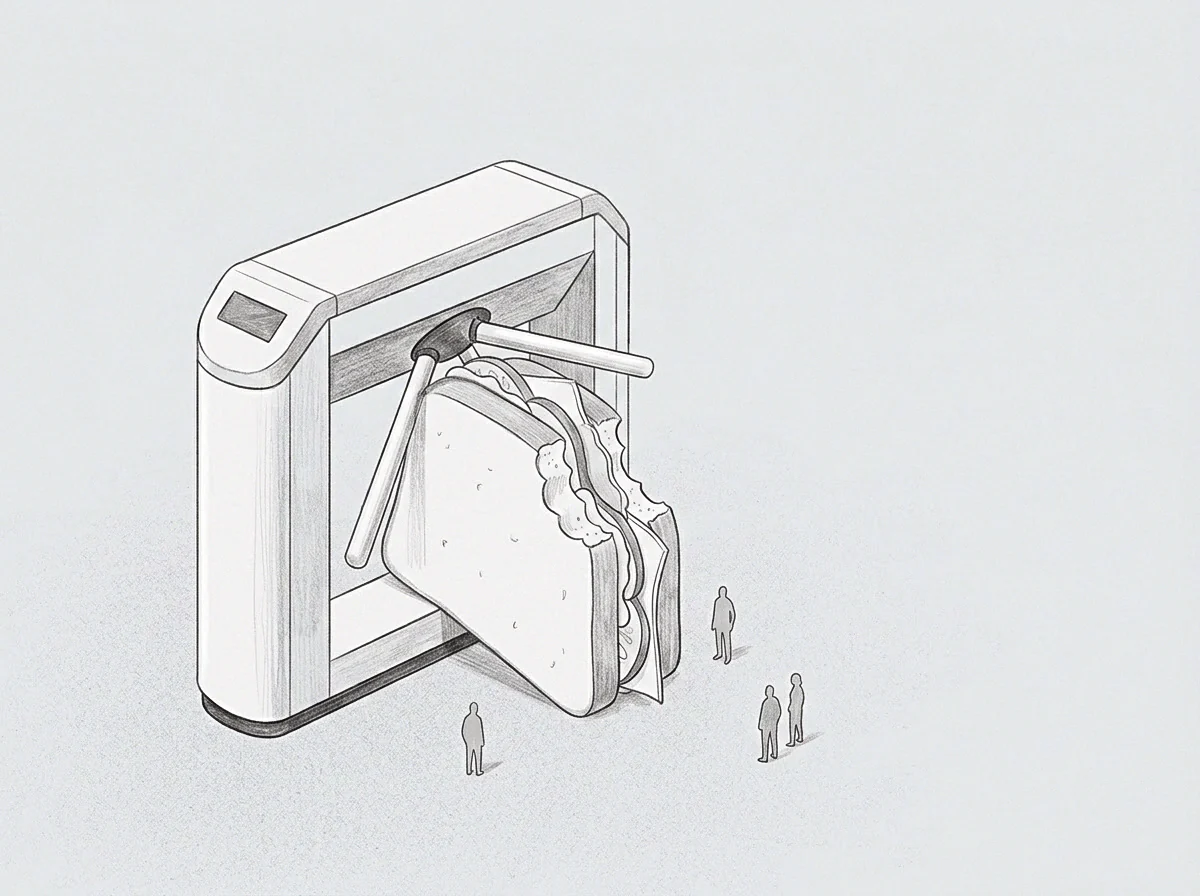
Meaning
Unasserted legal, tax, or operational exposures originating from historical corporate actions remain dormant until triggered by an external audit, commercial claim, or ownership transition. These latent liabilities include unpaid overtime wage claims, uncollected state sales taxes, open-source software license breaches, environmental contamination and ambiguous founder intellectual property assignments. While invisible on ordinary financial statements, these exposures transfer automatically with company equity unless identified, priced, or contractually reassigned.
Historical Burden
Discovering unrecorded risks during a secondary sale or recapitalization forces founders to divert immediate energy into historical damage control. Reviewing payroll records from five years prior to address potential latent liabilities burns through hours that were allocated to ongoing operational growth or orderly leadership handovers. The personal strain escalates when equity buyers demand personal escrow holdbacks or aggressive indemnities to protect against these unquantified risks.
Founders pay financially for early administrative compromises.
Trigger Events
Regulatory inspections, key employee departures, and third-party acquisitions serve as typical catalysts that convert dormant corporate obligations into immediate economic losses. An acquirer conducting technical due diligence exposes uncredited open-source code, transforming latent liabilities from abstract legal risks into demands for deep purchase price deductions. Similarly, a formal tax authority audit suddenly activates years of unfiled payroll or sales taxes.
Latent hazards do not stay dormant forever.
Contractual Allocation
Corporate purchase contracts use comprehensive representation and warranty sections alongside designated special indemnities to allocate responsibility for dormant hazards. Sellers seek strict knowledge qualifiers to shield themselves, while buyers demand uncapped fundamental protections that keep historical latent liabilities tied directly to the exiting individuals. Clear assignment of these unknown obligations determines who pays when old oversights eventually resurface.