Meaning
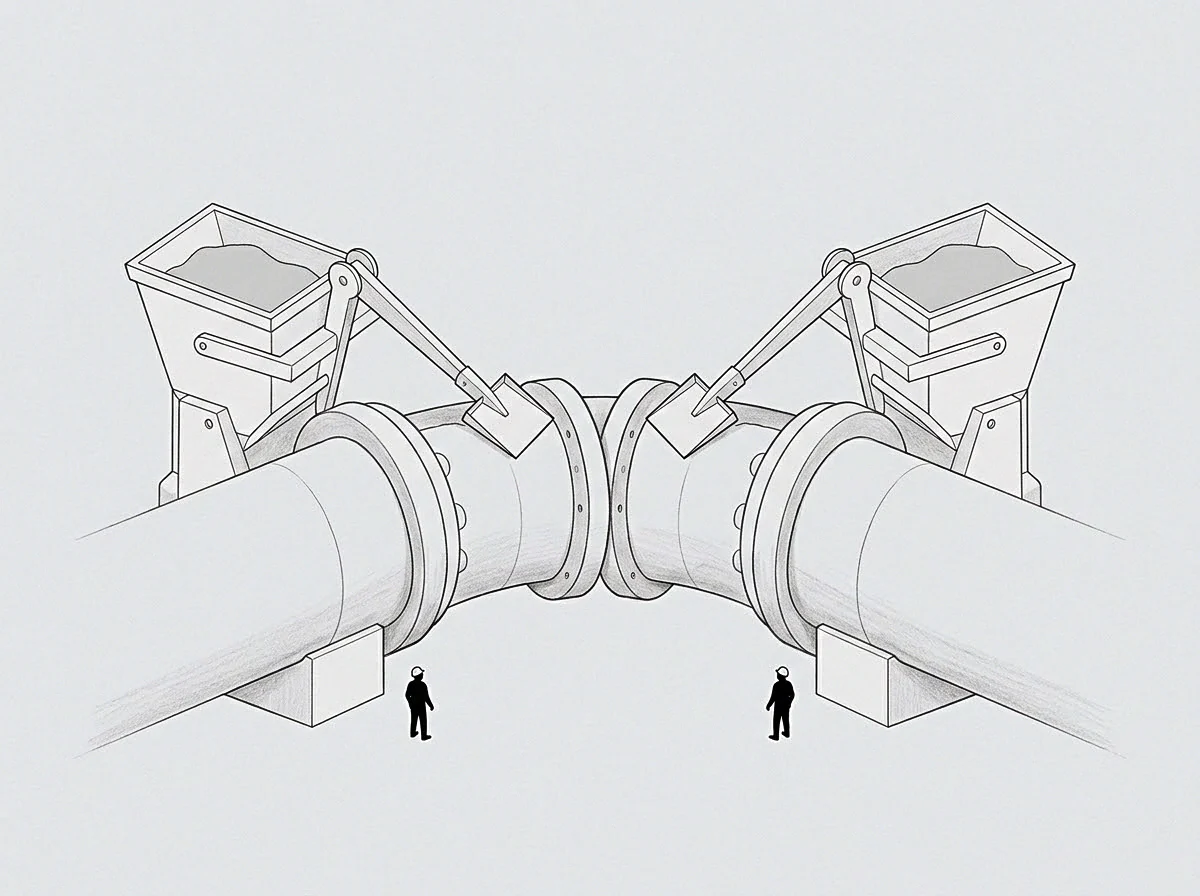
Organizational or interpersonal resistance that occurs during the movement of a person from one seat to another. High levels of leadership transition friction can slow down the implementation of new strategies and cause confusion among employees. This resistance often stems from a lack of clarity about new roles or a lingering attachment to the previous leader’s style.
Role Ambiguity
Conflict arises when the boundaries between the old and new seats are poorly defined. A person experiencing leadership transition friction might find themselves receiving instructions from two different sources at once. Resolving this requires a clear communication plan that specifies who holds authority over each department.
Emotional Cost
Tension and frustration are common for both the outgoing founder and the incoming manager. The energy spent navigating leadership transition friction is energy taken away from the actual work of growing the company. Leaders must acknowledge these costs to prevent them from damaging the culture of the office.
This mental load is often the heaviest part of a handover, requiring a focus on clear boundaries.
Execution Lag
Productivity often drops while the team adjusts to a change in command. Reducing leadership transition friction requires a period of overlap where the two leaders work together to align their expectations. Successful handovers result in a return to normal speed once the new hierarchy is accepted.