Meaning
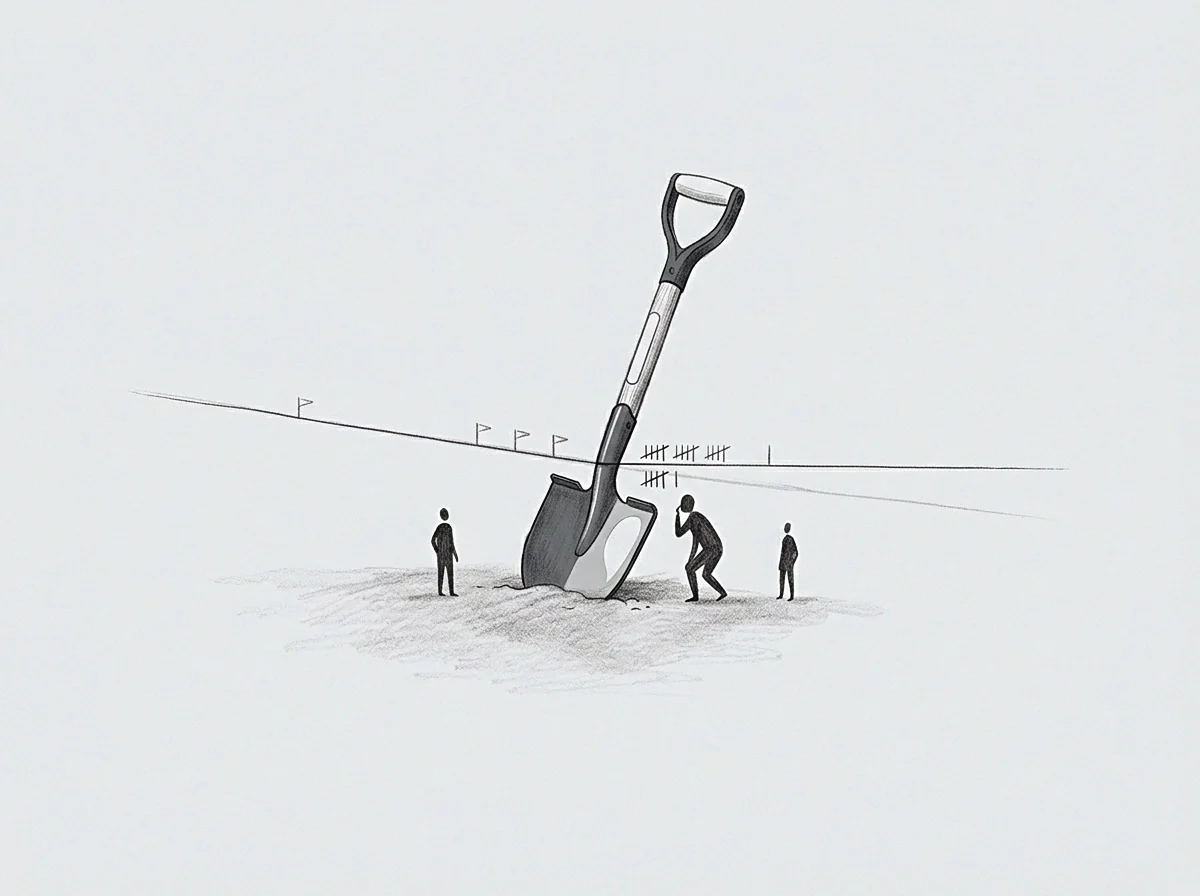
Disruptive administrative intrusions occur when a former executive bypasses designated managerial lines to reverse decisions made by sitting operational leadership. Uncontrolled legacy intervention undermines institutional governance by reviving informal founder hierarchies that predate corporate reorganization or executive handover. This phenomenon measures organizational friction through employee confusion, reversed executive directives and delayed operational deployment cycles across operating units.
The dynamic ceases when governance boards enforce strict communication boundaries or when the former operator divests ownership interest.
Intrusion Dynamics
Unofficial authority channels reemerge whenever an operating founder remains on the board of directors while harboring operational doubts. A classic legacy intervention manifests when a non-executive founder attends functional sprint meetings, gives direct orders to engineering leads, or unilaterally alters pricing without consulting the chief executive. Subordinate staff default instinctively to historical founder authority, rendering new management structures impotent in real time.
These incidents create parallel chains of command that stall critical operational transformations and produce strategic ambiguity.
Successor Attrition
Operating under the shadow of a meddling founder drains energy from newly hired executive teams. Experiencing unchecked legacy intervention costs professional managers their professional credibility, driving high voluntary turnover among skilled executives brought in to scale operations. The founder incurs an unintended personal cost through sustained psychological stress, remaining chained to operational friction that formal handovers were explicitly designed to eliminate.
Trust between the board of directors and the founding team fractures when personal commitments to non-interference are breached repeatedly.
Boundary Enforcement
Correcting founder overreach requires clear boundary enforcement by independent board members and lead investors. Mitigating legacy intervention demands stripping informal facility access, re-routing customer communications through proper channels, and barring former leaders from operational slack channels. Clear contracts outline that continued operational intrusions risk forfeiture of advisory retainers or removal from governance chair seats.
The boundary between owner governance and management execution remains clean only when direct employee communication is restricted to formal board reviews.