
Structural Governance Protocols Preventing Shadow Founder Intervention Under Stress
Operational boundary covenants enforce management authority by stripping former executives of unrouted operational access during organizational stress.

Flare
A former chief executive who retains thirty percent of equity and a non-executive board seat calls the vice president of engineering at eleven on a Sunday evening during a customer outage. The call bypasses the operating chief executive, alters the technical remediation plan, and issues instructions directly to technical staff who still recognize the founder’s voice as absolute authority. The engineering team implements the instructions without logging the change in corporate ticket systems.
By Monday morning, two competing command chains run through the operational layer, dividing staff priorities and obscuring accountability for system stability.

Anatomy of Covert Operational Authority
Unsanctioned governance arises when latent authority converts into active operational control during corporate strain. The transition relies on structural residual power, where staff retain habits of deference from early company stages. In an enterprise maintaining ninety-day operational buffers, an external market shift or product failure routinely exposes the gap between nominal governance and actual operational authority.
When financial performance diverges from original projections, non-executive owners frequently re-enter daily operations through informal channels.
The operational entry path follows a predictable progression. It opens with requests for raw internal data, advances to indirect critique of executive decisions in employee conversations, and culminates in direct countermanding of executive orders. The non-operating builder relies on historical affinity with engineering, sales, or product design leaders to establish unsanctioned instruction loops.
Middle management accepts these directives due to perceived risk regarding equity vesting, career progression, or board retaliation. The operating chief executive finds authority undermined before any formal governance dispute reaches board minutes.

Role Shift under Performance Shock
Stress transforms passive oversight into active operational interference. When revenue targets miss by twenty percent or a major enterprise client threatens cancellation, the non-operating shareholder experiences extreme status anxiety and asset risk. This psychological pressure drives an attempt to reclaim direct control over the company’s core operations, bypassing established corporate reporting lines.
An operational command issued outside board minutes creates immediate structural drift across the executive layer.
Consider an enterprise generating fifteen million dollars in recurring revenue with a five-member board consisting of two institutional investor directors, the current operating chief executive, the non-operating founding chief executive, and an independent director. Assume the non-operating founding owner retains thirty-five percent of common equity while the operating chief executive holds ten percent. During a period of flat growth, the founding director initiates weekly unilateral meetings with department heads.
The founder instructs sales teams to alter pricing models and demands engineering redirect forty percent of capacity toward legacy features. The current chief executive, bound by standard fiduciary duties, faces structural paralysis: confronting the founding director without explicit governance safeguards risks a fractured board and potential removal, while acquiescing converts the executive seat into a decorative office.
When operational authority fractures under organizational strain, executive retention declines within twelve months, leaving the enterprise governed by shadow authority without operational accountability.

Lock
Legal corporate firewalls insulate executive authority against informal shareholder intrusion. Operational release deeds and governance bylaws define explicit boundaries that strip non-executive board members of operational access. A robust governance system relies on concrete legal documentation that establishes explicit operational delegation, prohibiting direct board communication with employees below the executive layer without prior board authorization.

Operational Boundary Covenants
Effective governance protocols define exact limits for board participation. An Operational Boundary Covenant serves as a contract clause within investor rights agreements, explicitly restricting non-executive directors from issuing instructions to staff, accessing technical repositories, or negotiating commercial terms. These covenants specify that all information requests from board members must route exclusively through the chief executive or designated governance corporate secretary.
- Direct Engineering Interference overrides technical architecture choices during emergency remediation, bypassing standard change management protocols.
- Informal Vendor Renegotiation promises commercial terms or custom modifications without executive approval or board recording.
- Parallel Reporting Channels extract raw operational metrics directly from staff, circumventing official board reporting processes.
- Unilateral Personnel Direction instructs managers to retain or dismiss staff, violating established executive human resource authority.

Delegation Limits and Firewall Specifications
Explicit delegation matrices codify organizational decision rights. They outline specific spend thresholds, hiring approvals, and strategic pivot limits assigned strictly to the operating executive team. When board members attempt operational intervention, governance firewalls specify immediate escalation pathways, including formal legal warnings, board censures, or forced administrative suspension from observer positions.
When explicit operational firewalls bind investor equity rights, informal communication channels lose legal force during executive disputes.
Structural firewalls require administrative enforcement alongside legal documentation. Informational isolation protocols require technical access controls, ensuring non-executive shareholders lack administrative privileges in enterprise communications, financial software, or code repositories. Removing residual administrative accounts prevents former executives from viewing real-time operational communications, enforcing formal reporting channels through board packs and quarterly reviews.
An operational release covenant containing an explicit communications restriction clause shifts board member communication rights from unconditional access to formal written request procedures managed by corporate counsel.

Covenant
Structural separation of share ownership from management rights forms the foundation of corporate governance under stress. Voting trust agreements, supermajority board provisions, and equity class design isolate shareholder voting power from daily operational decisions. When governance documentation lacks explicit firewalls, equity dominance routinely asserts itself as operational authority during corporate crises.
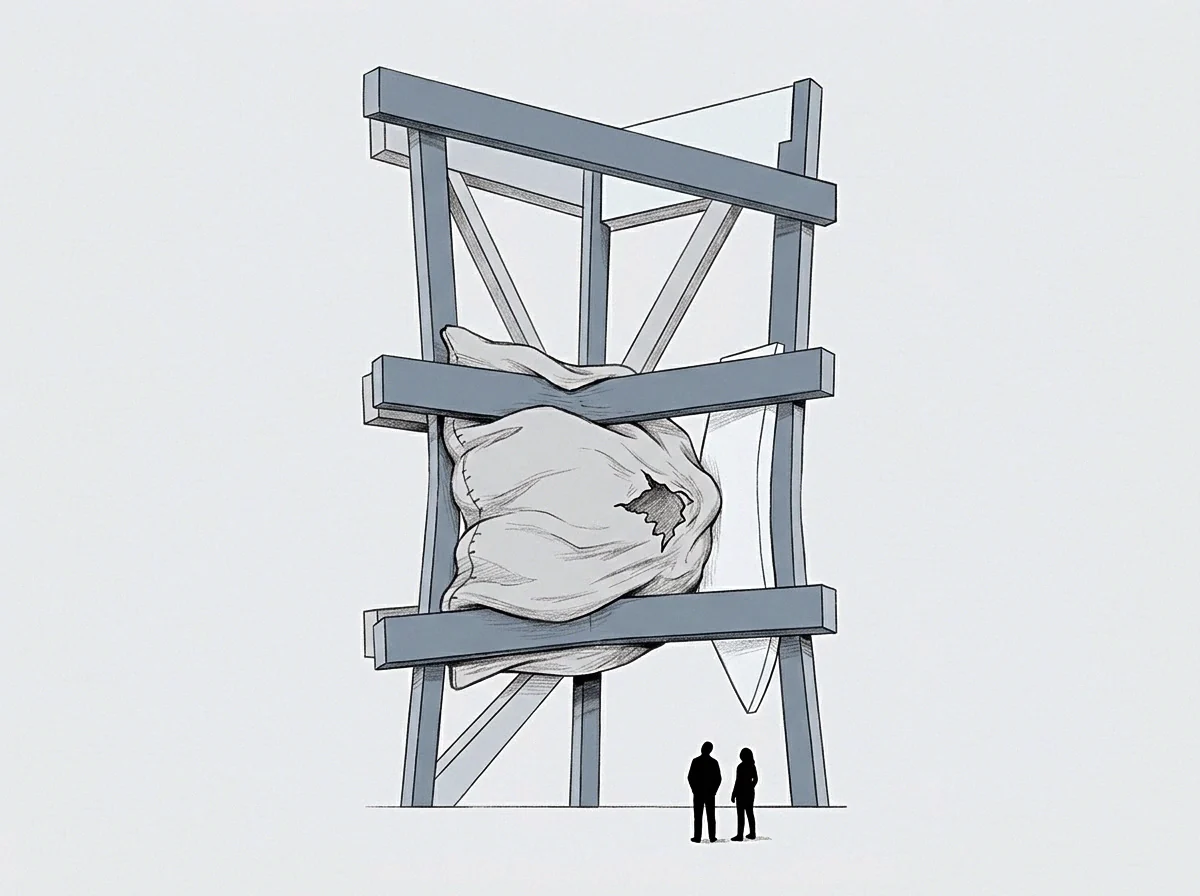
Decoupling Equity Ownership from Operational Control
Corporate equity ownership inherently provides voting rights, but statutory corporate law cleanly separates ownership rights from director governance and management control. A shareholder holding forty percent of voting equity possesses no legal standing to issue directives to corporate officers or staff. Structural governance protocols enforce this separation through specific contractual restrictions within voting rights agreements and investor rights agreements.
Irrevocable voting proxies assigned to independent board seats during executive transitions prevent former founders from using equity voting dominance to intimidate operating management.
A voting trust surrender clause strips non-executive shareholders of operating directives upon executive transition.
Supermajority voting provisions further protect executive authority. Requiring a sixty-six percent board majority to remove an operating chief executive or alter approved strategy prevents a major shareholder holding a single board seat from executing sudden executive shifts during performance contractions.

Can operational release covenants survive founder board seats?
Enforceable covenants withstand board seat challenges when supported by formal shareholder agreements containing conditional equity buyback rights. Combining operational release deeds with board observer caps ensures that non-executive directors retain information rights while relinquishing managerial authority. When an enterprise transitions executive leadership, the founding officer signs an operational release deed terminating all former management powers and agreeing to communicate with company staff exclusively through formal board meetings.
| Governance Dimension | Formal Director Authority | Shadow Founder Intervention |
|---|---|---|
| Information Access | Quarterly board packs and audited financial statements requested through official governance channels. | Direct extraction of raw software metrics and internal communications from department staff. |
| Operational Direction | Strategic guidance and executive hiring reviews executed through recorded board votes. | Unilateral directives issued to middle managers during unmonitored private phone calls. |
| Management Accountability | Formal evaluation of the chief executive against board-approved annual targets. | Undermining current executive credibility through parallel reporting chains and informal critiques. |
| Emergency Intervention | Formal board resolution establishing emergency executive committees with stated limits. | Unsanctioned direct management of engineering or sales operations during crisis events. |
The non-operating owner asserts that equity stake size provides inherent authority to protect personal investment value during operational disruptions.

Fence
Information channels must reflect formal authority structures. Informational isolation protocols establish boundaries between operational software systems and board oversight layers. When non-executive shareholders maintain continuous visibility into real-time operational metrics, internal messaging channels, and client accounts, informal intervention becomes inevitable during minor operational variances.
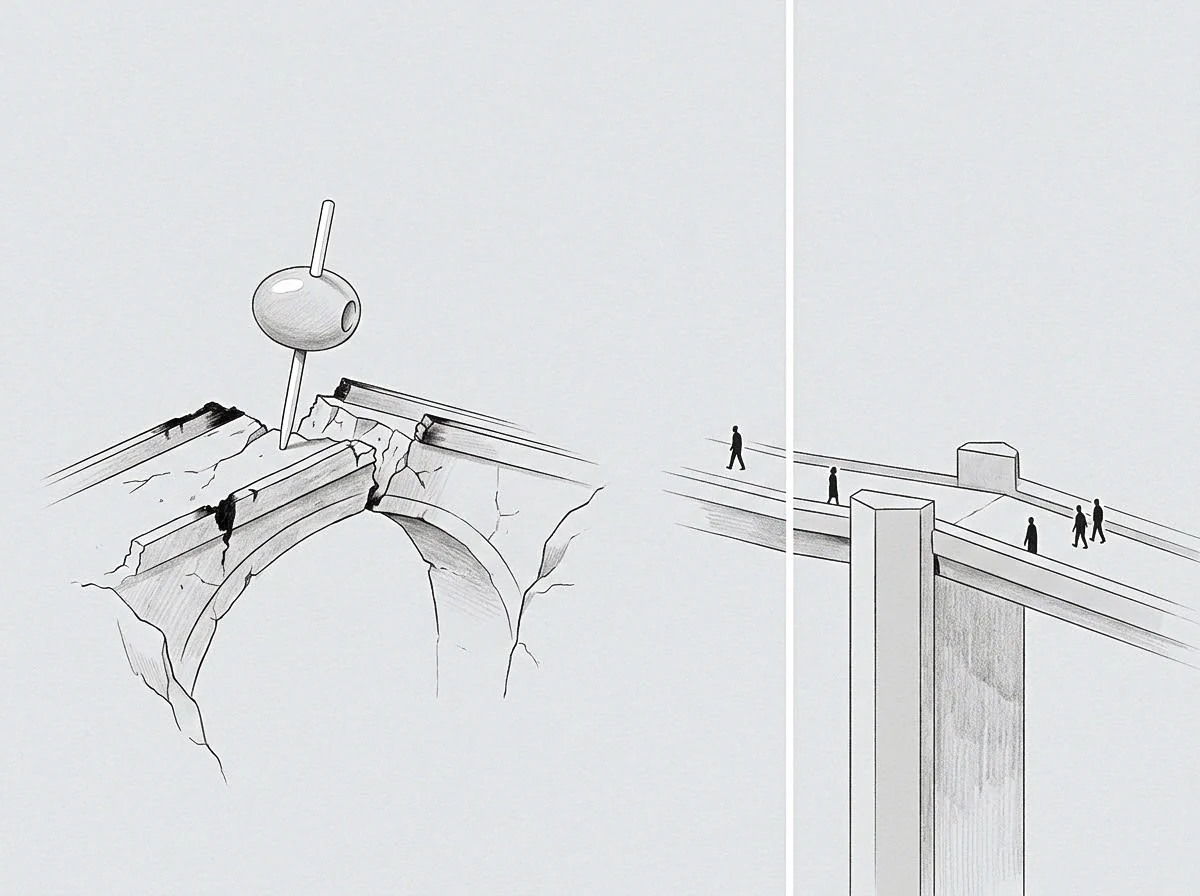
Informational Isolation Protocols
System access isolation enforces operational boundaries. Non-executive board members require structured, aggregated reporting rather than continuous stream visibility into daily company communications. Enterprise information software configurations must restrict administrative access, code access, and sales client records exclusively to active operational personnel.
Board members receive standardized reporting packages through secure board management applications at defined cadence intervals.
- Reassign system administrator rights and technical repository tokens to operating management upon executive departure.
- Establish board reporting portals that route operational queries through the governance secretary.
- Execute operational release deeds terminating non-director operational access during corporate emergencies.
- Notify middle management of formal escalation boundaries and executive reporting mandates.
Sequence for Restricting Backchannel Operational Access
Restricting backchannel communication requires systematic execution during executive transitions. Operating management must publish clear escalation boundaries to all staff, establishing that operational instructions received from non-executive directors carry no legal force and must be reported immediately to corporate counsel. Staff policies should clarify that complying with unrouted non-executive directives constitutes a breach of company operating procedure.
Governance boundaries hold only when middle managers face formal sanctions for answering unrouted operational commands.
The effective restriction of shadow communication relies on establishing structured operational reporting paths that absorb board member inquiries while isolating departmental teams from direct shareholder pressure.

Remedy
Structural enforcement mechanisms provide governance systems with binding consequences when non-executive shareholders violate operational boundaries. Contracts without enforcement remedies represent voluntary arrangements that fail under high stress. Effective governance protocols establish explicit legal consequences for boundary breaches, including mandatory board cure periods, temporary suspension of board observer rights, and conditional equity buyback provisions.

Standing Board Cure Periods
When a non-executive director breaches operational boundaries by issuing direct commands to employees or accessing unauthorized company systems, governance protocols activate formal cure provisions. The operating chief executive issues a written notice of governance breach to the board corporate secretary. The notice initiates a fifteen-day cure period during which the offending director must cease informal communication, confirm compliance in writing, and submit to formal board mediation.
Repeated breaches during a twelve-month period result in immediate loss of board committee seats or suspension of director information access beyond statutory minimums.

Equity Buyback Triggers for Covenant Breaches
Severe, continuous shadow intervention requires financial enforcement mechanisms. Investor agreements can incorporate bad-leaver equity repurchase clauses or conditional redemption rights tied to operational covenant breaches. If an independent arbitration panel confirms that a former executive breached operational release covenants, the enterprise retains the right to repurchase up to twenty-five percent of the offender’s equity at a calculated discount to fair market value, or convert voting common stock into non-voting preferred shares.
These financial consequences ensure that equity value remains tied to formal governance compliance.
Corporate governance contracts that bind shareholder voting rights to explicit operational release covenants protect executive authority and maintain organizational focus during periods of market contraction.