Meaning
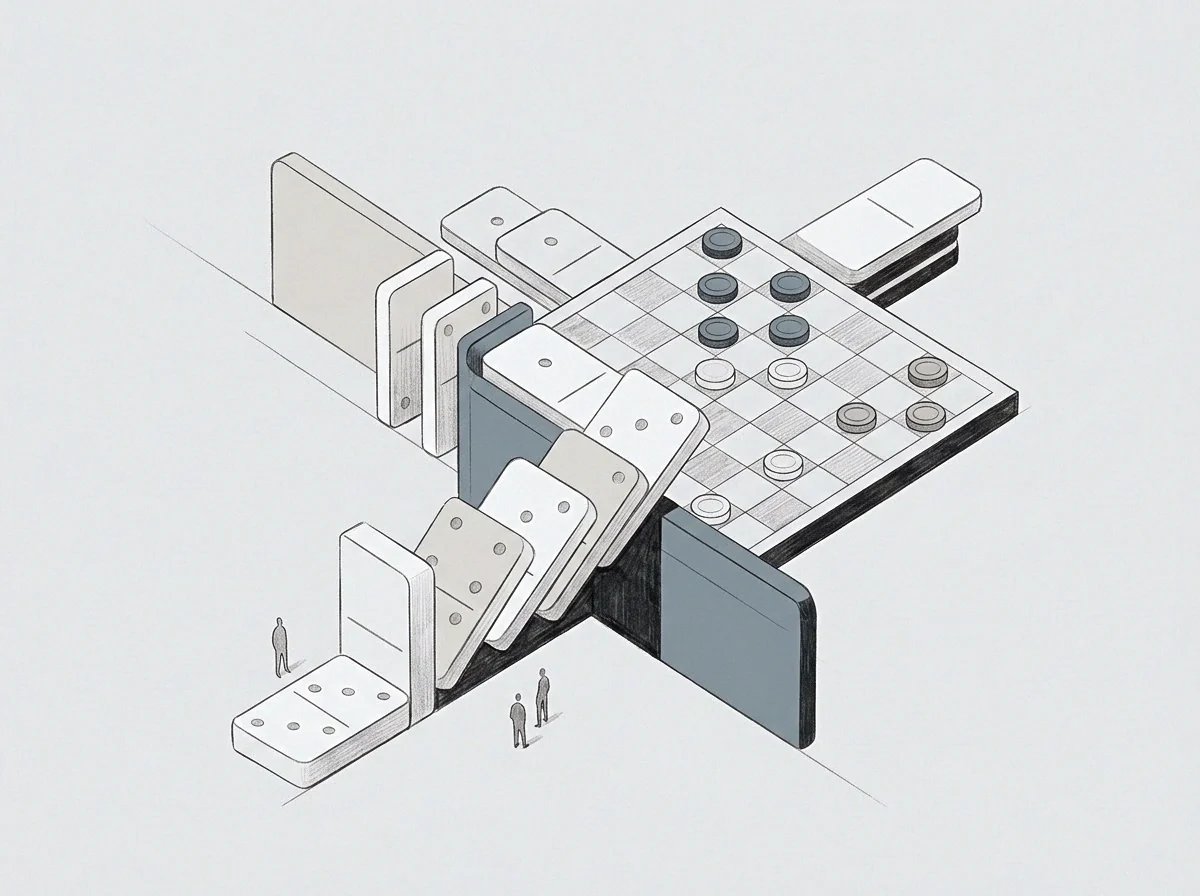
A set of outdated, repetitive workflows that persist within a company due to habit, early custom, or lack of systems integration. Modernizing a scaling enterprise requires identifying and dismantling legacy operational loops that no longer serve current volumes. These routines often stem from early bypasses designed to solve temporary problems.
They remain in place until deliberate architectural changes are introduced.
Development Inertia
Employees resist changing established routines because they are familiar with existing patterns. Even when these legacy operational loops require manual data entry and continuous monitoring, team members may prefer them over new automated platforms. This resistance slows the adoption of more efficient software solutions.
Resource Drain
Maintaining old procedures requires a continuous commitment of staff hours and mental energy. These legacy operational loops limit the organization’s ability to scale operations efficiently. The cost of manual intervention grows linearly with transaction volume, creating a drag on profitability.
System Modernization
Eliminating these obsolete routines involves auditing current processes and deploying modern API-driven tools. When a business implements automated data flows, it removes the manual tasks that previously bound up employee time. This transition frees up human capacity to focus on higher-value initiatives and business strategy, ensuring the firm can expand its transactions without a corresponding increase in operational errors or employee burnout.