

Grounding Tacit Operating Rules During Small Firm Owner Transitions
Grounding tacit operating rules requires extracting implicit executive heuristics into explicit decision guardrails before final owner exit.
Grounding tacit operating rules requires extracting implicit executive heuristics into explicit decision guardrails before final owner exit.

Resolving minority shareholder litigation requires isolating true operational knowledge decay from engineered balance sheet write-downs to establish normalized value.
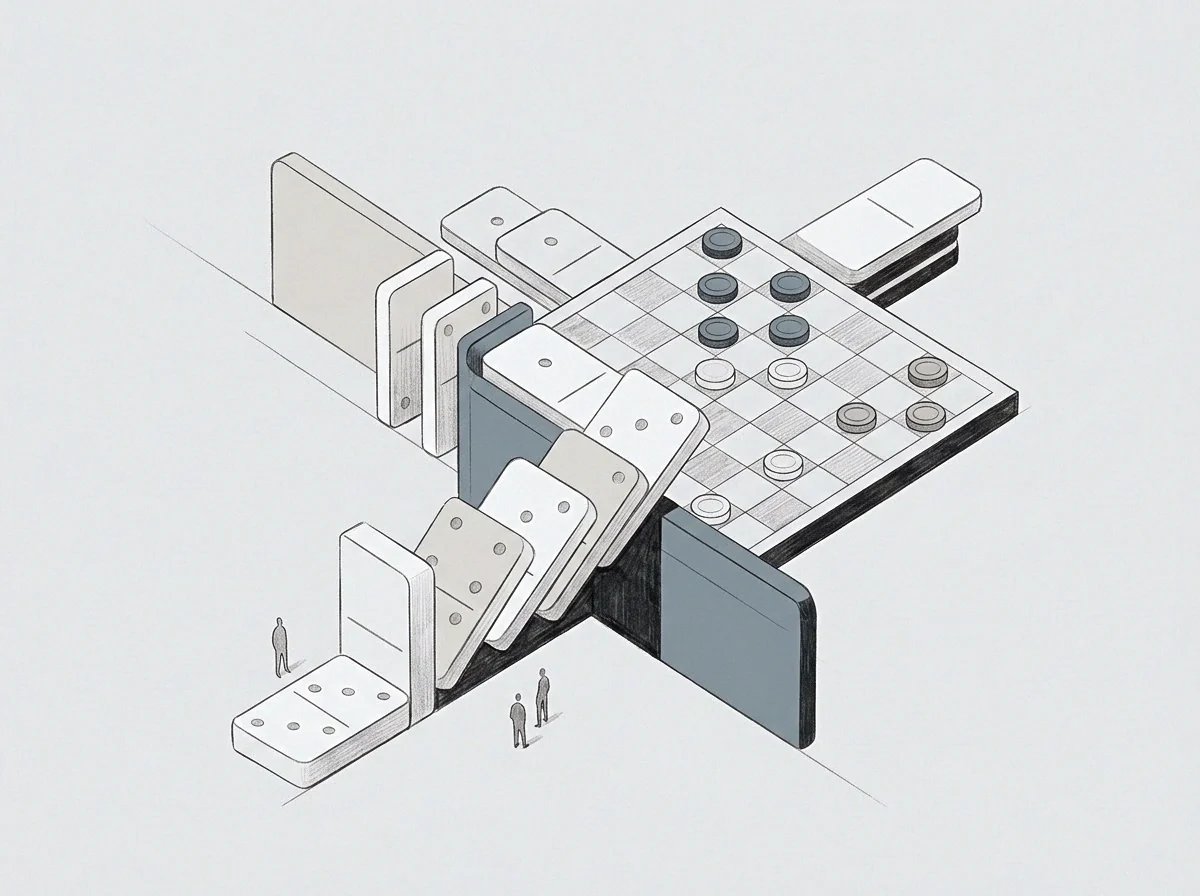
Executive operating autonomy drops when uncodified predecessor information loops force reliance on legacy shadow channels for routine decision approval.

Uncodified knowledge and relational capital survive crisis executive transitions through structured shadow pairing and rapid key counterparty trust stabilization.
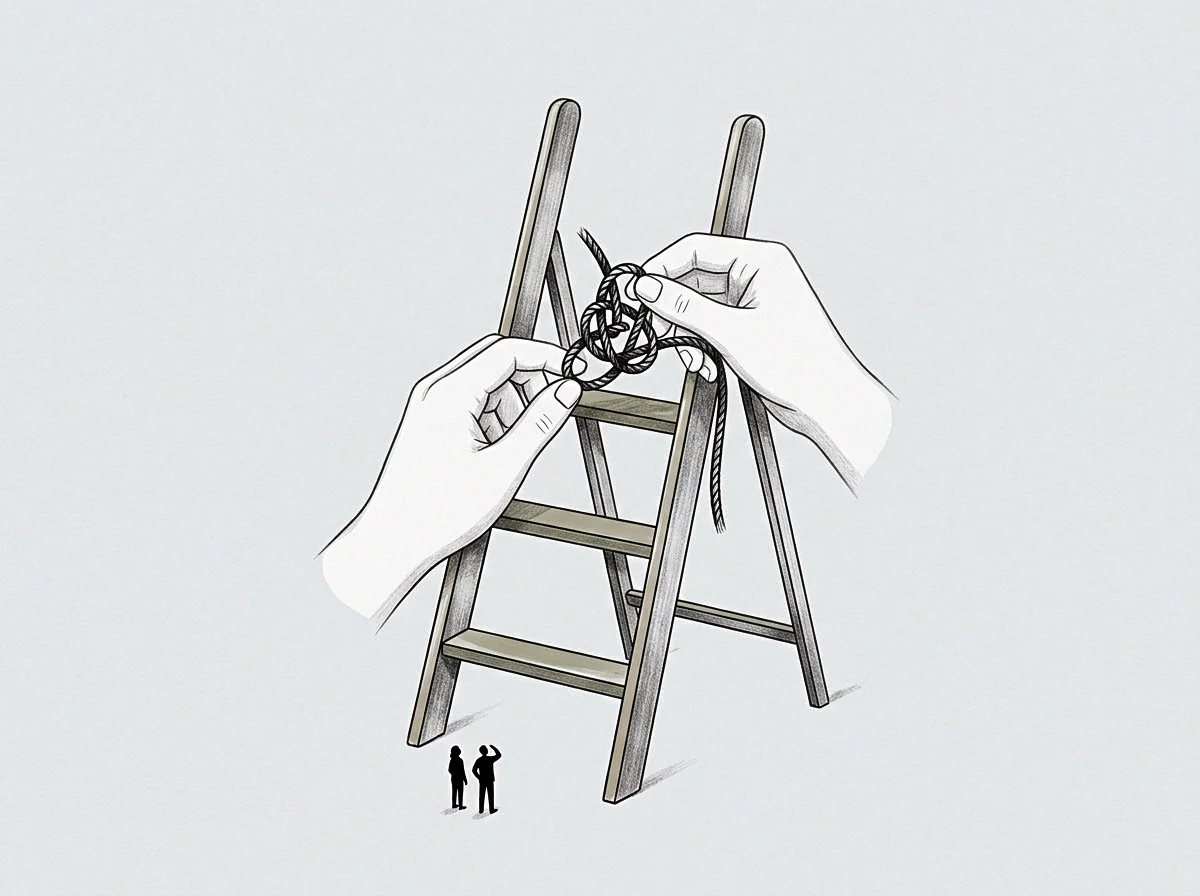
Executive judgment codifies through structured extraction of decision thresholds and calibrated simulation rather than static operating manuals.

Extracting tacit founder decision rules into explicit operational heuristics eliminates key person acquisition discounts by proving institutional autonomy.
The terms are written where they belong. Each field holds three desks, and every entry a desk writes raises the terms it uses, each term given a meaning, a mechanism and the places it appears. The record on these pages stays first person and hand made; the fields grow the nomenclature.