Meaning
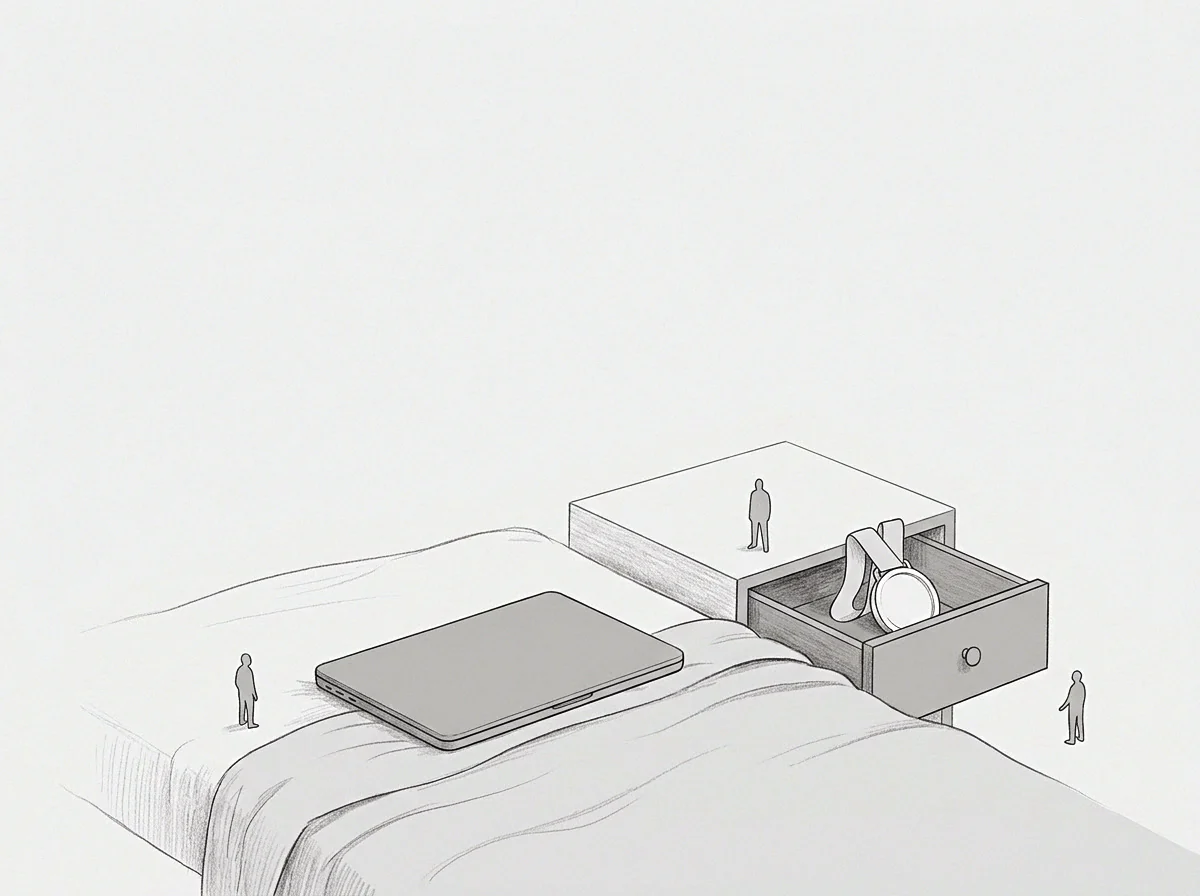
Operational shifts involving the withdrawal from the daily activities and decision-making responsibilities of a business. This operational disengagement marks the transition from an executive role to a passive or oversight position. It involves the handover of keys, passwords, relationships and technical tasks to a successor.
The term describes the period where the founder stops being the person who does the work and starts being the person who watches the work.
Knowledge Transfer
Documentation and training are required to ensure the business continues to function without the founder. This operational disengagement forces the individual to spend many hours explaining processes that were previously instinctive. The cost is the intense mental effort needed to translate lived experience into a system that others can follow.
Failure to do this effectively leads to a cycle where the founder is repeatedly pulled back into the work.
Boundary Setting
Rules must be established for when and how the former leader can interact with the staff. During this operational disengagement, the founder must resist the urge to give orders or critique small details. The person in the seat needs space to lead, and any interference from the founder creates confusion and slows down the team.
The cost to the founder is the emotional restraint required to let go of a project they built.
System Reliance
Performance monitoring replaces direct supervision as the primary way to track the business. Once the operational disengagement is complete, the founder relies on reports and dashboards to understand what is happening. They no longer feel the rhythm of the office or hear the informal talk of the employees.
This distance creates a new type of stress where the founder must trust the data and the people they hired.