
Resolving Residual Liability In Tacit Operational Routines Retained After Full Equity Divestment
Equity divestment without technical and administrative credential revocation preserves de facto manager exposure and apparent agency liabilities.

Residue
Selling off common stock ends legal ownership, but habitual authority often lingers. A former owner signs the closing paperwork, gives up voting control, and collects cash proceeds, yet keeps answering production alerts or approving technical exceptions out of sheer habit. Operations depend on unwritten routines built over years of daily management.
When an operating company hits a sudden disruption, employees still route emergency requests to the former builder instead of the official corporate officers. Informal deference simply outlasts formal governance changes.
The real risk starts when informal involvement creates de facto managerial status under corporate law. Someone who sells every share but continues directing corporate actions takes on fiduciary duties and tort liabilities without the indemnity protections given to registered officers. Vendors and financial counterparties see this ongoing role and treat the former executive as an apparent agent of the company.
Every informal sign-off extends personal vulnerability for business liabilities incurred long after closing.
Continued operational intervention without equity or an executive employment contract converts informal assistance into unindemnified personal exposure.
These informal habits maintain operational continuity for the business while draining personal attention without any contractual shield. An uncompensated former equity holder might answer thirty messages a week on server setups, vendor payment histories, or custom manufacturing workarounds. This work never appears in corporate records.
Over time, that effort creates an unhedged operational footprint that plaintiff counsel or bankruptcy trustees reconstruct to assert control liabilities against the former owner.
Buyers frequently argue that this informal guidance is merely part of the ongoing goodwill cooperation promised during transaction negotiations.

Room
Physical spaces and communication channels keep old habits anchored long after a deal closes. If a former owner keeps badge access, company email handles, or administrative permissions on core code repositories, staff treat that access as active operational authority. Retained administrative credentials preserve the illusion of executive presence.
Employees keep walking into the legacy corner office or directing high-priority tickets to legacy chat handles because those tools remain operational.

Informal Authority Signals
Divestment requires the physical and technical evacuation of the operating environment. Remaining inside Slack workspaces, software deployment channels, and physical assembly floors signals to junior staff that structural reorganizations were merely nominal. Staff bypass the new general manager to consult the founder on vendor pricing disputes or customer concession terms.
That dynamic paralyzes the new executive team and leaves the former owner accountable for operating decisions taken under legacy conventions.
| Transition Channel | Informal Continuation | Definitive Protocol | Liability Profile |
|---|---|---|---|
| Enterprise Systems Access | Retained root administrator credentials for urgent operational support | Immediate credential revocation and session termination at transaction closing | De facto officer liability under corporate governance doctrines |
| Vendor Negotiations | Verbal confirmation of custom purchase order exceptions | Formal written delegation to new designated procurement officers | Personal exposure under apparent agency theories |
| Customer Relations | Direct resolution of legacy service level disputes via personal phone | Structured introductory transition with hard cutover dates | Tortious interference claims from new ownership group |
| Production Workarounds | Ad hoc guidance on unrecorded machinery adjustments | Written engineering documentation deposited into formal repositories | Direct product defect liability claims from third parties |
Informal operational habit sustains structural exposure. A former equity holder who answers production questions at midnight holds onto an operational seat that should sit empty until the buyer fills it. Removing access credentials breaks the reflexive reliance of legacy staff on departed leadership.
Total severance of communication conduits protects the departed operator from ongoing enterprise obligations.
Retained administrative permissions maintain operational agency after equity divestment.
Every preserved operational account produces ongoing exposure to discovery demands during corporate disputes.

Exposure
The legal doctrine of apparent authority binds individuals to organizational liabilities when external parties reasonably conclude that authority continues to exist. Divestment of equity does not notify suppliers, equipment lessors, or key clients that operational authorization has terminated. When a former owner instructs a supplier to expedite raw materials without corporate sign-off, the supplier relies on years of unbroken precedent.
That transaction creates an immediate dispute over payment responsibility between the buyer, the enterprise, and the individual who issued the instruction.

Operational Habit Categories
Tacit operational retention organizes into distinct administrative failure points:
- Shadow Administration persists when departed executives approve non-standard employee timesheets, resolve peer grievances, or coordinate holiday shifts without human resources involvement.
- Direct Procurement occurs through personal guarantees extended over telephone calls to longstanding suppliers who distrust the buyer’s credit profile.
- Emergency Remediation arises when catastrophic technical outages prompt immediate, unrecorded engineering interventions directly inside production databases.
- Bespoke Contracting continues through side agreements executed by text message with legacy institutional clients demanding personal service guarantees.
Legal evaluations of shadow directorship examine conduct rather than corporate registries. A person who exercises real influence over board decisions or corporate operations faces director obligations. When an enterprise becomes insolvent within two years of equity divestment, creditors investigate unrecorded operational directives to pierce asset protection trusts and recover disbursements.
Tacit routines provide the evidentiary foundation for these clawback actions.
Action determines fiduciary obligation more reliably than stock ownership records.
Retaining operational habits after surrender of equity yields pure risk without capital return.
Assuming personal exposure for unowned corporate assets trades future freedom for past identity.
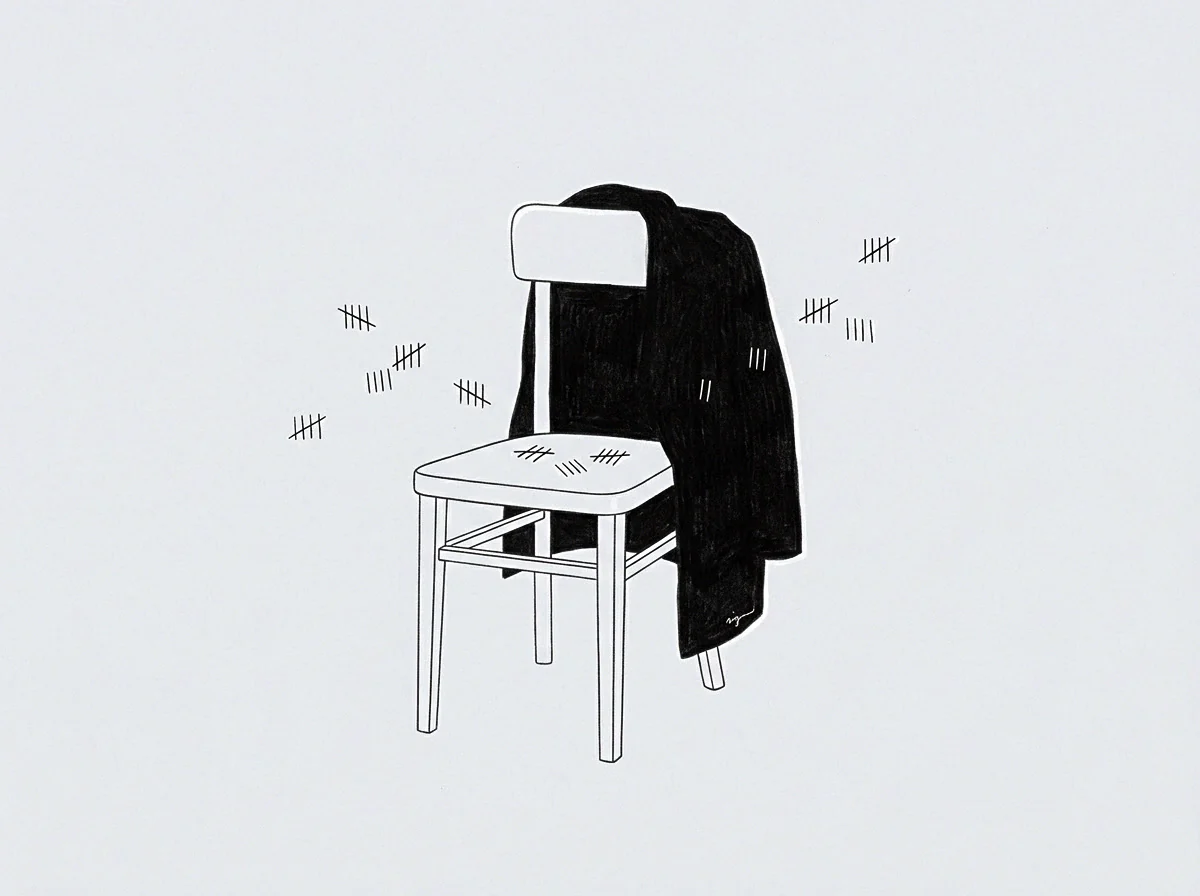
Severance
Eliminating residual operational exposure demands systematic operational disarmament. The transaction agreement must incorporate an unequivocal operational termination protocol that supersedes pre-existing employment relationships and customary practices. The protocol defines the precise boundaries of allowable contact between legacy personnel and the seller.
Clear contractual boundaries convert ambiguous informal requests into structured commercial engagements or immediate formal refusals.

Contractual Insulation Mechanics
Transactional documentation shields the departing operator through explicit defensive covenants:
- Formal written notice of equity transfer and agency termination dispatched to all active commercial vendors and institutional lenders.
- Mandatory third-party technical verification confirming total revocation of enterprise logins, encryption keys, and facility access passes.
- A bilateral covenant barring new management from contacting the seller for operational guidance outside formal consulting agreements.
- Mutual indemnification clauses holding the seller harmless against operational liabilities arising from post-closing business activities.
An advisory contract with defined scope and hourly remuneration protects the former operator by converting tacit routines into commercial services. The agreement establishes billable rates, limits monthly time commitments, and requires formal written task approvals prior to commencing support. When incoming ownership must pay market rates for operational troubleshooting, informal telephone inquiries drop immediately.
Structured consulting agreements make the transfer of tacit knowledge explicit, documented, and insulated from personal liability.
Where operational involvement carries an explicit hourly price, informal inquiries cease.
Failure to execute strict operational termination leaves the departing founder exposed to joint and several liability for enterprise negligence.
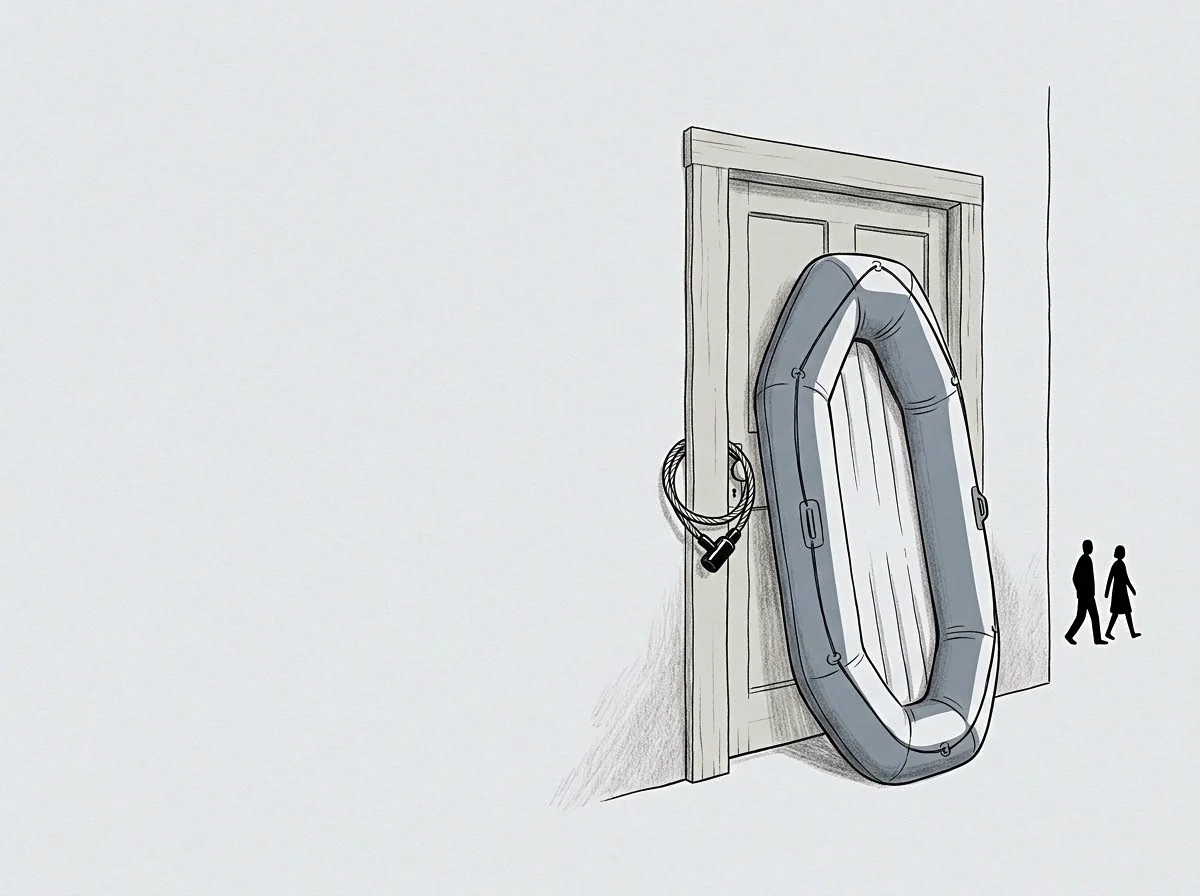
Boundary
Establishing absolute operational boundaries requires emotional discipline alongside transactional documentation. Departing founders experience psychological disorientation when enterprise operations proceed without their direct supervision. The impulse to correct an erroneous invoice or advise on a flawed equipment installation originates in identification with the organization.
Yielding to this impulse reopens legal and financial exposure. The disciplined seller treats the divested business as a foreign commercial entity.
When staff members send urgent personal messages requesting advice, the appropriate protocol is a standardized referral to current corporate officers. Scripted responses terminate informal communication channels without creating hostility. The former operator refuses phone calls, deletes incoming operational alerts, and declines invitations to corporate celebrations.
These actions establish an undeniable public record of complete separation. The boundary protects the financial value extracted through equity liquidation.
The clean break permits the enterprise to develop independent managerial competency. Organizations sheltered from the consequences of succession fail to build internal capability. By refusing to intervene, the former owner forces the buyer to confront operational realities and deploy appropriate capital resources.
Clear operational severance preserves the integrity of the sale transaction, insulates personal wealth, and closes the chapter of enterprise stewardship definitively.
The standard indemnity agreement excludes actions undertaken without board authorization, leaving uncontracted operational advice completely unprotected.