Meaning
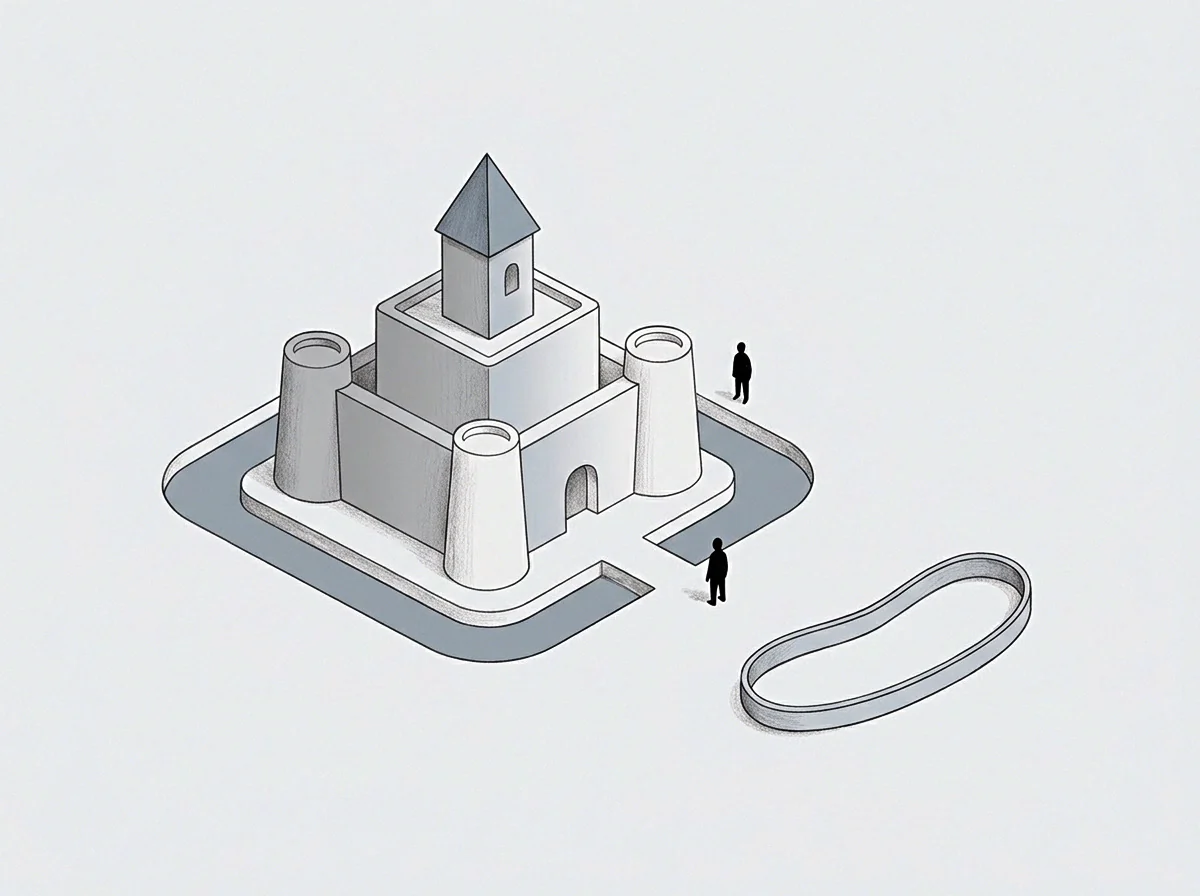
An operational intervention is a direct administrative disruption applied by an owner to halt procedural drift inside a company after founding. This corrective measure occurs when routine monitoring reveals that daily execution has diverged too far from established targets. Founders apply this procedure to reclaim control over failing delivery timelines or misallocated capital without relinquishing ultimate equity.
The boundary of this mechanism stops at permanent managerial replacement, since such a shift constitutes a complete structural transition rather than a temporary administrative adjustment.
Control Friction
Direct managerial interference demands a heavy expenditure of attention and hours from the founder who steps back into the operating seat. Operating teams frequently experience resistance when an owner suspends delegated authority to correct workflow errors. This friction drains available capacity because the founder must simultaneously diagnose structural failures and manage employee pushback against the sudden oversight.
Authority flows backward from hired executives to the original creator, which halts normal delegation habits and stalls concurrent strategic initiatives.
Recovery Sequence
Reversing administrative drift requires a strict sequence of diagnostic steps before any structural alterations occur. The founder begins by auditing execution logs to isolate the exact operational bottleneck causing financial or schedule leakage. Next comes the temporary suspension of discretionary spending and nonessential product development to consolidate available cash reserves.
Teams then realign daily outputs against baseline metrics while the founder oversees every approval gate personally until stability returns.
Boundary Cost
Maintaining operational readiness exacts a toll on personal endurance because perpetual vigilance prevents the founder from detaching from daily tasks. Prolonged involvement in tactical correction erodes the trust previously established between management tiers and the ownership group. This sustained oversight consumes mental energy that would otherwise support long-term market positioning or capital acquisition efforts.
Every such intervention imposes a hidden tax on organizational resilience by signaling that delegation remains conditional upon flawless execution.