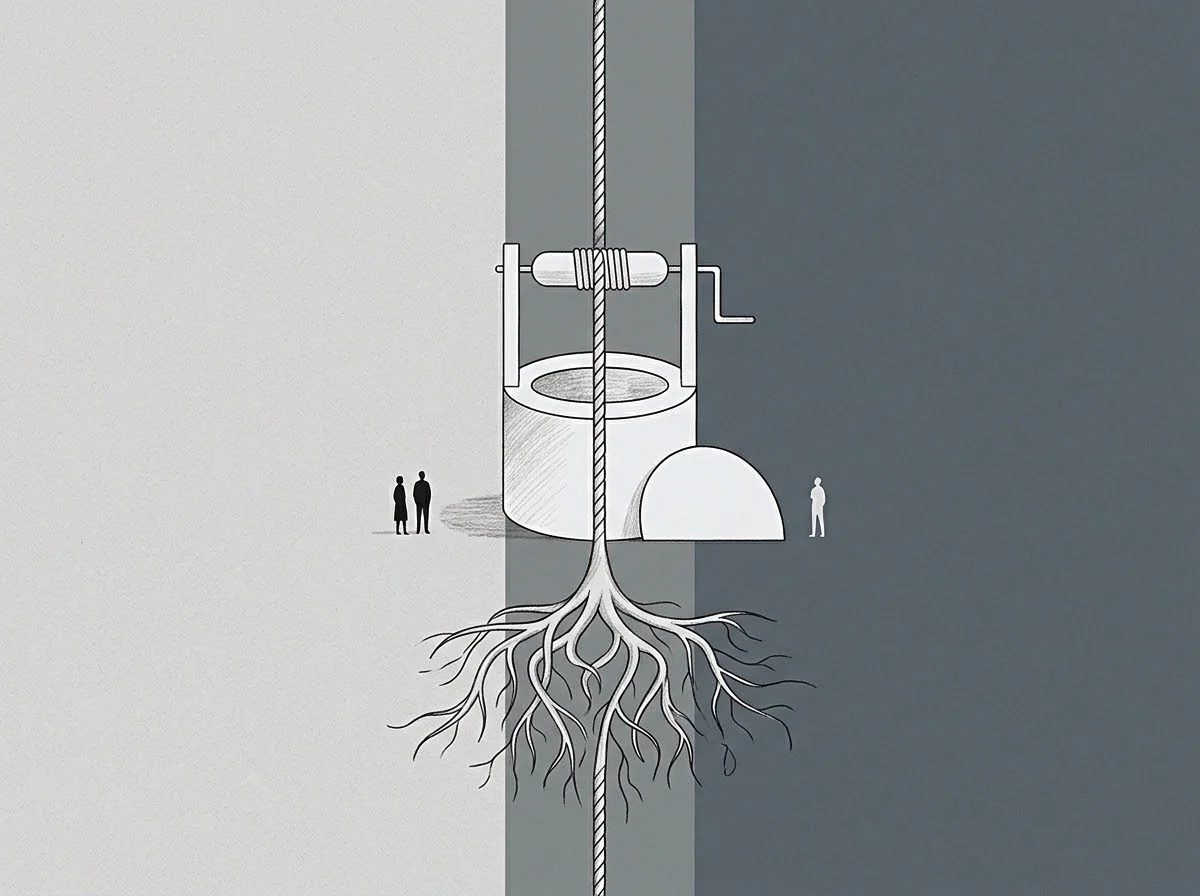
Meaning
A phased succession strategy transfers daily management responsibilities from a founding executive to an incoming leader over a specified period. Executing an operational relay ensures that the transition of authority occurs through structured milestones rather than an abrupt exit. This controlled handover allows the new leader to build credibility with the team while the founder gradually recedes.
The process minimizes operational risk and maintains organizational stability. It provides a structured timeline that allows partners and team members to adapt to the new leadership without disruption.
Task Handover
The gradual transition of daily workflows requires the systematic transfer of specific responsibilities. During an operational relay, the founder first delegates routine administrative tasks and later transfers high-impact strategic decisions. This staged transfer gives the successor time to adjust and demonstrate capability before assuming full control of the firm.
Energy Conservation
The reduction of executive involvement prevents sudden burnout and preserves capacity. When an operational relay is used, the founder experiences a gradual release from the constant pressure of daily problem-solving. This steady decrease in operational duties helps the founder prepare for a long-term advisory role without experiencing the shock of a sudden separation.
Boundary Condition
The phased approach to delegation demands a highly cooperative relationship between the outgoing and incoming leaders. If there is a lack of trust or a disagreement on strategic direction, an operational relay can create confusion and divide the team’s loyalty. Under such unstable conditions, a fast, decisive exit is often required to establish the successor’s authority.