Meaning
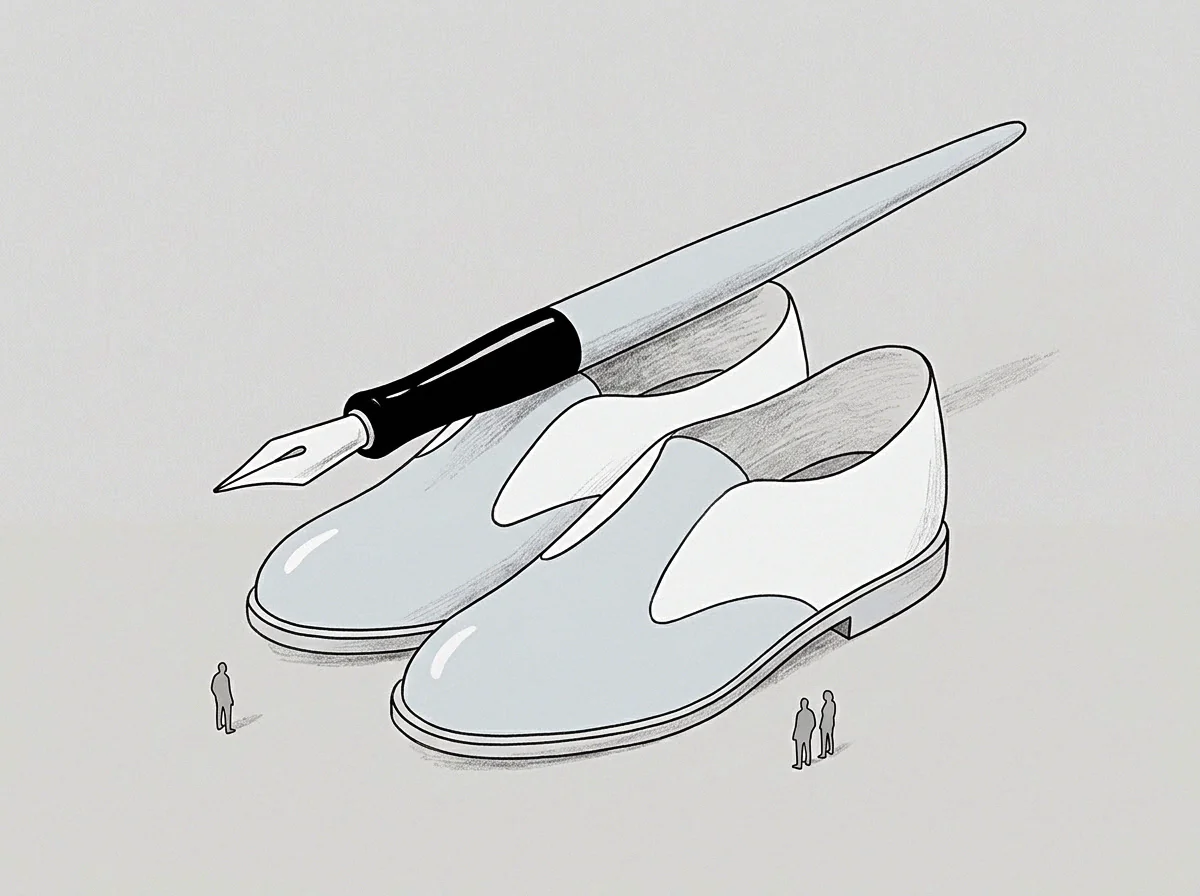
A legal division separates the rights of corporate ownership from the responsibilities of daily operational control. The owner operator split occurs when a founder decides to step back from active management but retains a major equity stake in the business. This division requires a restructuring of the governance framework to protect both the owner’s investment and the operator’s freedom to manage.
Legal Division
Formal agreements must establish the boundaries of each role. The owner operator split is documented in a shareholder agreement that defines the decisions requiring shareholder approval. This document ensures that the owner cannot interfere in routine executive decisions.
Resource Allocation
Operating resources are managed independently of the owner’s personal accounts. Following an owner operator split, all corporate assets and cash flows are strictly separated from the founder’s personal finances. This separation prevents the misuse of corporate funds for private activities.
Agency Conflict
Divergent goals between the owner and the operator can create organizational tension. The operator may focus on long-term market expansion, while the owner may prioritize short-term dividend payments. Resolving this tension requires a balanced board that can evaluate the company’s performance objectively and align the incentives of both parties.
This structure protects the firm from strategic paralysis caused by internal disputes.