
Contractual Capacity Allocations for Owner Operators Facing Prolonged Tactical Crises
Capacity partitioning contracts reserve operational hours for owner operators facing sustained tactical shocks, isolating owner seat governance from technical labor.

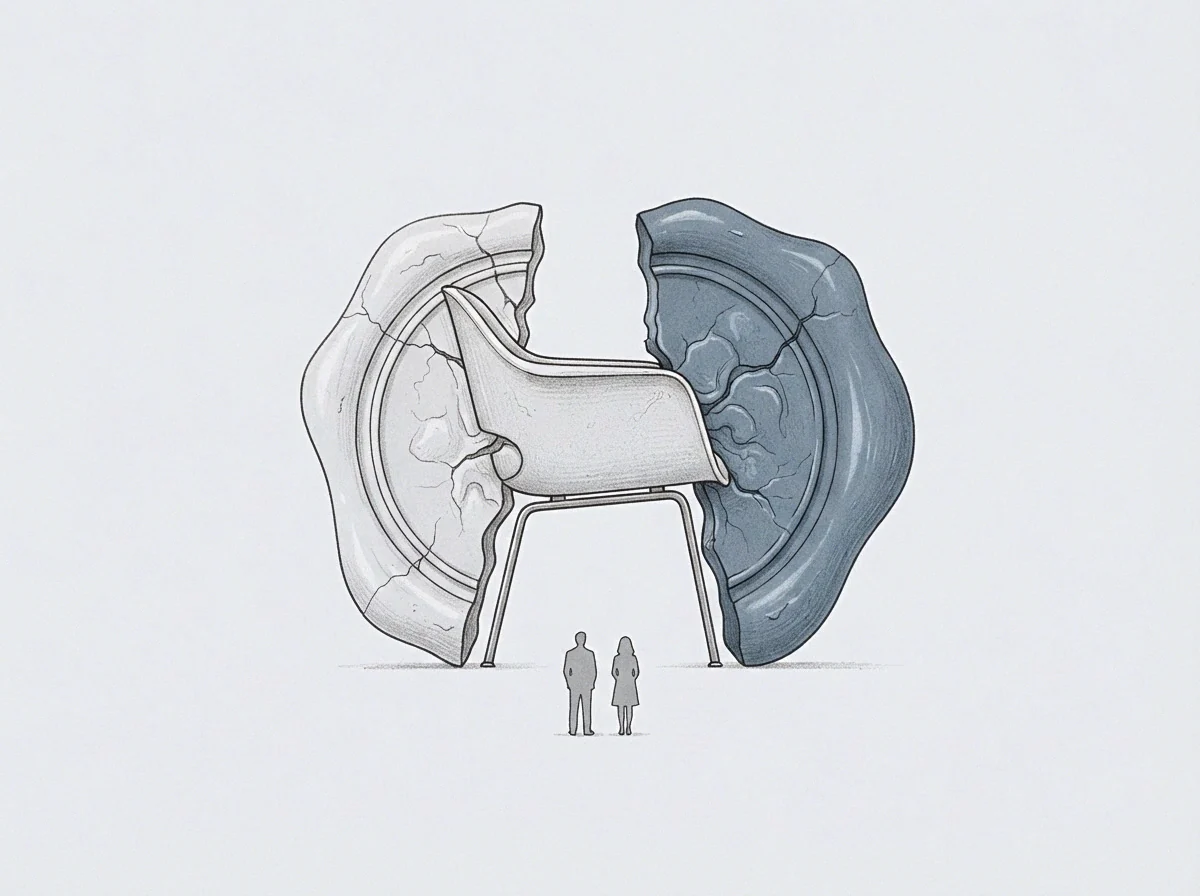
Drain
An operational fire at three in the morning pulls the owner-operator directly into technical execution, displacement of scheduled governance meetings across the month following immediately. Tactical crises in small enterprises rarely stay inside operational channels. When a technical failure, supply chain outage, or client emergency lasts more than a few days, production demands absorb all available executive labor.
Strategic planning and management oversight yield to line work.
The capacity drain follows a predictable pattern. Immediate technical problems give unambiguous signals: a broken server demands immediate restoration, while a deferred governance review generates no error code. The operator fixes what is visibly broken rather than what is strategically necessary.
Over three to six weeks of sustained operational pressure, technical labor fills the work week, and unrecorded workarounds accumulate out of sight.
Operational load expands continuously without structural boundaries. Enterprise governance halts as board updates are postponed, financial forecasts sit unrevised, and staff management shrinks to brief instructions issued between support tickets. The founder role stands vacant while the operator works line support to keep the enterprise afloat, leaving long-term enterprise value unguarded.
Unchecked operational drift liquidates long-term equity value to maintain immediate technical continuity.
Gauge
Role theory measures structural overload by tracking labor shifts across positions during operational shocks. An owner-operator holds three distinct roles: technician, manager, and founder. Each carries separate duties and operates on different time horizons.
The technician operates in a daily execution loop. The manager builds systems, coordinates schedules, and supervises workflow over weekly cycles. The founder handles capital allocation, contractual architecture, and strategic positioning across multi-year spans.
Extended tactical crises cause severe role strain by expanding technician demands. When technical systems fail, line work swells from twenty hours to sixty hours weekly. Because personal capacity is finite, this surge directly absorbs time assigned to managerial oversight and governance.
The operator ends up trying to weigh capital allocation decisions while resolving operational support tickets.
- Technician Saturation occurs when direct operational labor consumes more than eighty percent of total available weekly hours, leaving managerial systems to decay.
- Managerial Atrophy emerges as systematic workflow supervision gives way to reactive firefighting and verbal directives.
- Governance Vacancy represents the complete abandonment of strategic planning, legal risk management, and capital allocation oversight.
- Tacit Work Accumulation involves unrecorded technical workarounds performed by the operator that cannot be transferred or delegated to staff.
Tracking role allocation during operational strain reveals the exact velocity of organizational degradation. Standard corporate reporting masks this drift because financial metrics lag behind operational capacity shifts; an enterprise can maintain steady top-line revenue during a ninety-day crisis while its underlying administrative infrastructure collapses. Human capacity dictates that strategic governance stops once line technical labor exceeds forty hours in a seven-day period.
Capacity limits set inside client contracts prevent line technical emergencies from consuming enterprise governance bandwidth.
A contractual floor on governance hours pauses client intake whenever technical allocation exceeds thirty hours weekly.

Bound
Contracts protect governance time by setting maximum operational commitments inside client service agreements and shareholder terms. Without explicit contractual bounds, client demand expands to fill all available capacity during an operational disruption. Structured capacity allocation establishes clear limits on operational hours, response times, and escalation pathways, converting invisible operator labor into explicit billable limits and defined operational covenants.

Which Capacity Terms Survive Sustained Tactical Stress?
Contract terms designed for routine operations break down under sustained strain. Effective allocation contracts incorporate specific provisions that automatically throttle operational commitments during prolonged emergencies, protecting executive capacity under severe operational load.
- Explicit operational capacity caps limiting owner operator technical labor to a fixed maximum of hours per client monthly.
- Mandatory escalation thresholds that force clients to fund external technical resources when internal operational hours exceed baseline limits.
- Governance time reservations that legally protect fixed weekly hours for enterprise administration regardless of active support ticket volume.
- Emergency service rate multipliers that exponentially increase client charges for off-hours operational support to discourage discretionary technical escalations.
Clients frequently resist capacity caps during contract negotiations, preferring unrestricted access to senior technical talent in emergencies. Inserting capacity protection terms requires framing operator availability as a finite structural asset rather than an elastic service commitment. When capacity allocation limits sit inside master service agreements, the operator can turn back excessive technical demands by pointing to clear contractual covenants.
Contract terms specifying maximum weekly technical hours preserve executive bandwidth during prolonged client outages.
Emergency operational availability takes precedence over internal corporate governance schedules.
Split
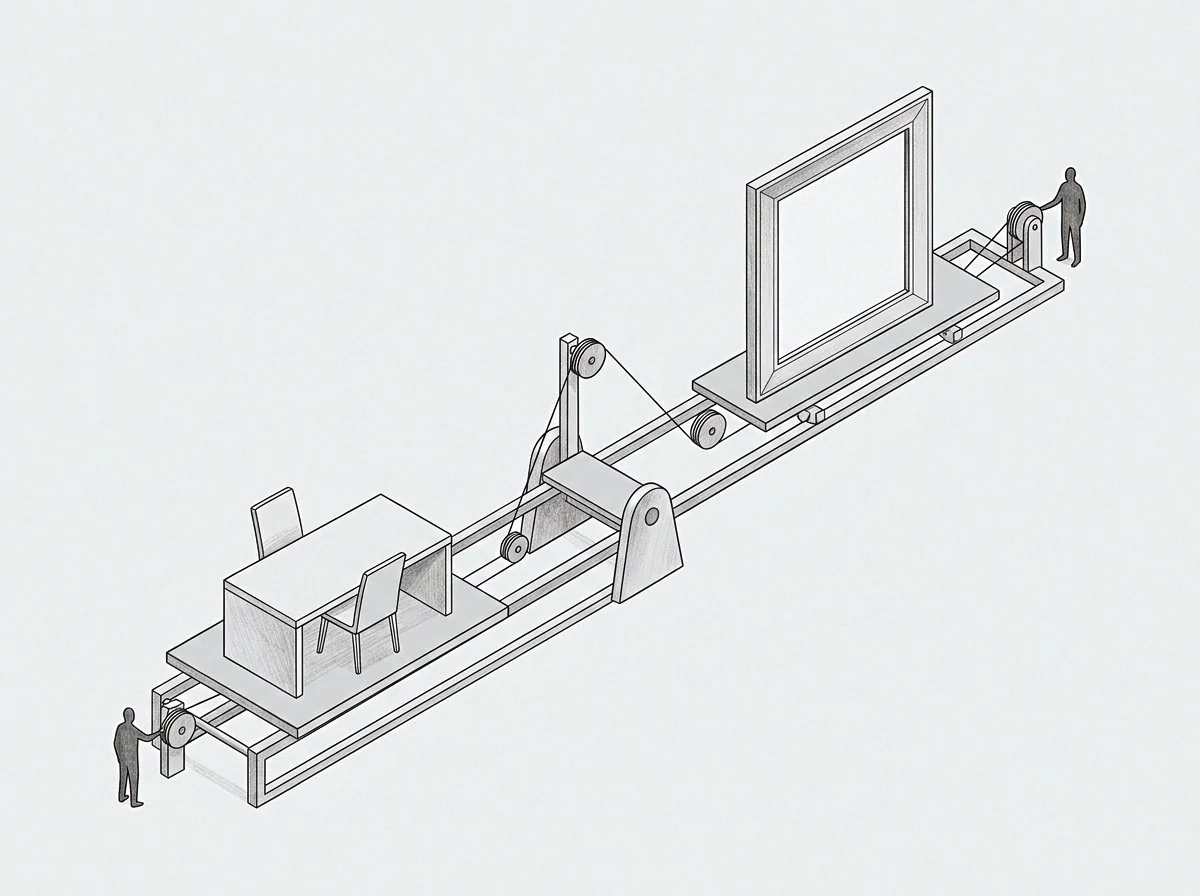
Consider two software services providers facing an extended infrastructure migration crisis lasting twelve consecutive weeks. Enterprise Alpha operates with uncontracted discretionary capacity allocation, where the owner operator promises unlimited support to retain key accounts. Enterprise Beta operates under contractually partitioned capacity allocations, enforcing strict weekly caps on technical involvement and reserving explicit hours for enterprise governance.
At Enterprise Alpha, the owner operator commits eighty hours weekly to technical remediation during the crisis. Support tickets receive immediate senior operator attention, but management oversight drops off entirely by week three. By week six, internal payroll processing encounters errors, performance reviews are skipped, and sales pipeline management halts.
By week twelve, the technical crisis resolves, but Enterprise Alpha has lost two pending enterprise deals due to unaddressed proposals and suffers fifteen percent staff turnover due to unmanaged internal conflict.
| Evaluation Criterion | Uncapped Discretionary Allocation | Contractually Partitioned Allocation |
|---|---|---|
| Weekly Technician Hours | Sixty to eighty hours continuous | Capped strictly at thirty hours |
| Managerial System Health | Complete system collapse by week four | Maintained through scheduled operational blocks |
| Strategic Pipeline Impact | Total freeze on strategic business development | Sustained development at reduced velocity |
| External Vendor Usage | Zero external budget deployed; operator absorbs load | Contractual triggers deploy billable external specialists |
| Post-Crisis Recovery Time | Six months to repair administrative backlog | Immediate return to baseline operations |
Enterprise Beta handles the exact same twelve-week infrastructure failure under contractually partitioned allocations. When technical labor reaches the thirty-hour weekly cap, contractual provisions automatically trigger the engagement of external third-party remediation specialists, billed directly to the client under crisis support clauses. The operator retains fifteen hours weekly specifically for managerial oversight and ten hours for enterprise governance.
Enterprise Beta resolves the crisis with zero staff turnover and keeps strategic expansion projects active.
Contractually partitioning executive labor from line technical duties preserves core enterprise stability throughout extended operational shocks.
Protecting governance capacity early preserves strategic flexibility when technical solutions fail.
Yield
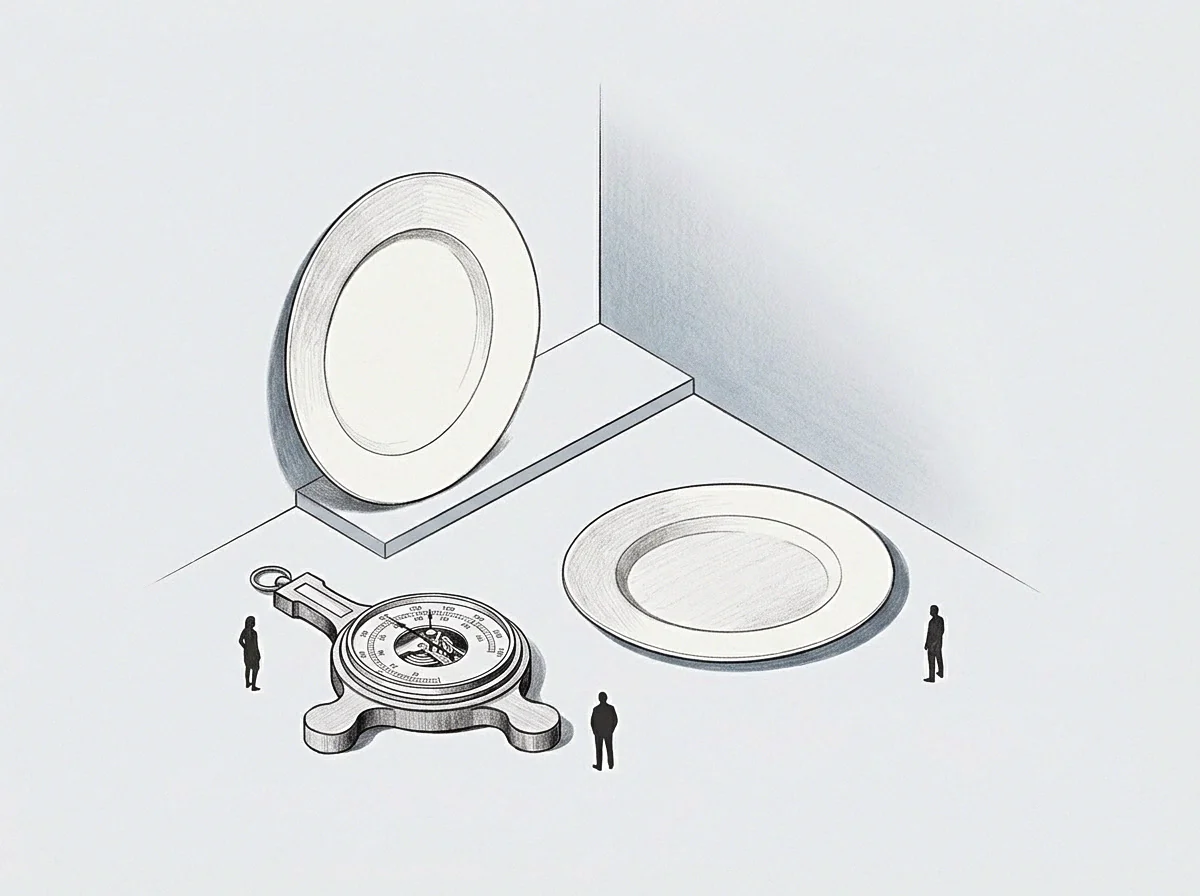
Restructuring an operational seat during ongoing tactical turbulence requires an explicit recalculation of total enterprise bandwidth. The owner operator must transition from a worn operational seat to a held governance seat by stating clear contractual terms to clients, partners, and internal staff. This transition begins with an audit of all tacit operational labor currently performed without billing or contractual recognition, turning unrecorded technical tasks into documented procedures or explicit contractual billables.
Executing this structural shift during a crisis involves immediate commercial trade-offs. Clients accustomed to unlimited technical access may express dissatisfaction when capacity bounds take effect, with some demanding renegotiations or threatening account termination. The owner operator accepts these short-term friction points to protect the structural integrity and solvency of the enterprise.
Unpriced operational labor masks structural enterprise deficits and accelerates founder exhaustion during extended tactical emergencies.
Holding a seat requires enforcing stated limits consistently, even when operational fires create intense pressure to abandon boundaries. Replacing discretionary effort with formal contractual allocations converts personal exertion into institutional capacity. When capacity allocation terms govern daily execution, the enterprise gains the resilience needed to survive prolonged tactical crises without sacrificing long-term equity value.
It remains uncertain whether early-stage firms can build contractual firewalls strong enough to resist the pressure of key client demands during total system failures.