Meaning
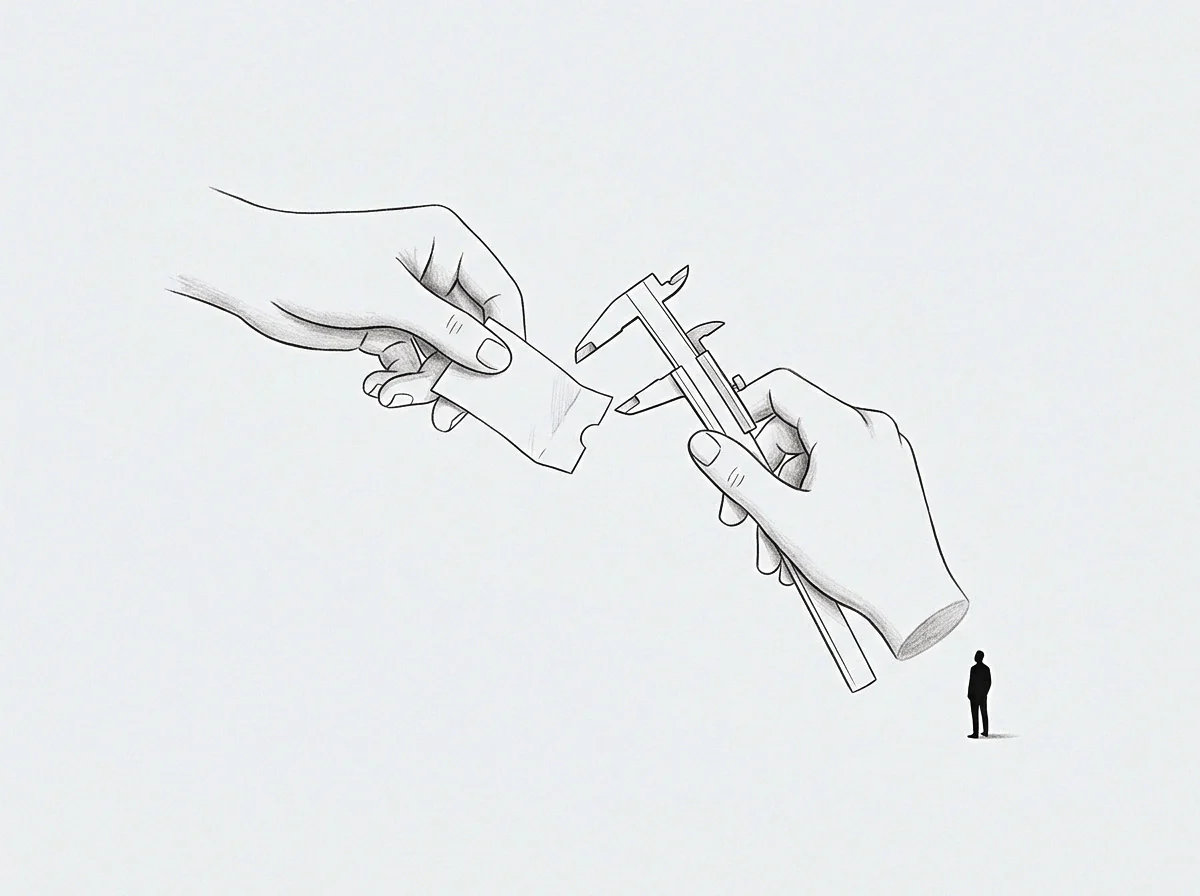
The gradual divergence of unwritten expectations and mutual obligations alters the unstated agreement between an employer and an employee over time. In startups that have recently transitioned to professional management, psychological contract drift occurs when the original team feels the company has abandoned its founding values. This misalignment happens without any formal breach of written employment contracts.
Divergence Process
The shift begins when new corporate policies replace the informal arrangements of the early days. As the organization grows, psychological contract drift expands because the standardized procedures conflict with the personal loyalty that early employees expected from the founder. This friction accumulates silently as veteran workers feel increasingly disconnected from the mission.
It grows through small, daily changes in company culture. The change becomes apparent only when seasoned contributors begin to resign or disengage from their work.
Relational Erosion
The consequence of this unspoken divide is a sharp decline in organizational trust. Early employees who experience psychological contract drift often reduce their discretionary effort and withdraw from collaborative initiatives. This withdrawal lowers the team’s collective productivity and damages the cohesive culture that drove the firm’s initial success.
Mitigation Resource
Addressing this cultural gap requires deliberate communication and administrative attention. Leaders must invest hours in feedback sessions to align the team’s expectations with the new reality. This alignment reduces the unstated tension before it leads to talent flight.