Meaning
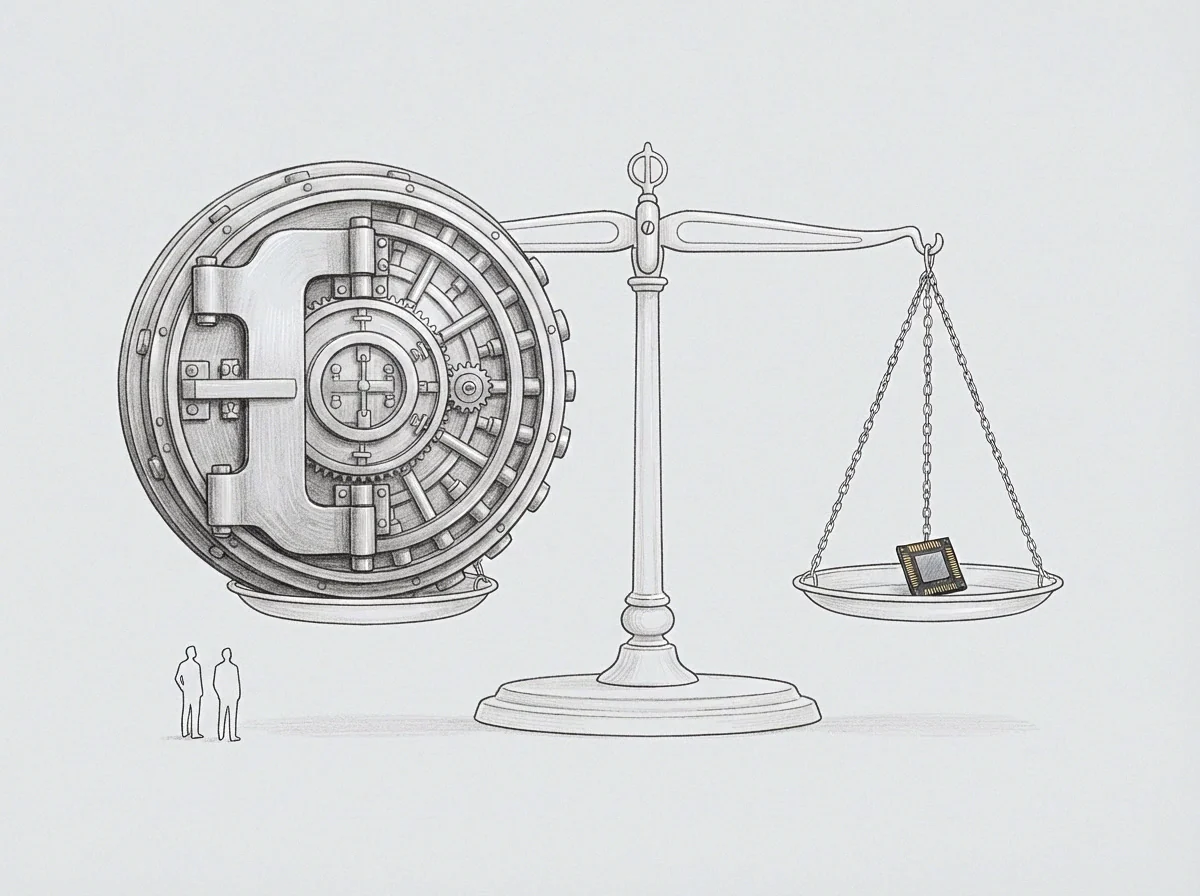
Financial condition where a company accumulates excessive profits that cannot be reinvested at a high rate of return but are also not distributed to owners is a hurdle in capital management. The retained earnings trap occurs when the board or founder refuses to pay dividends or buy back shares despite a lack of profitable internal projects. This situation leads to a declining return on equity as the cash balance grows without contributing to growth.
It ceases to be an issue once a clear policy for capital distribution is implemented and executed.
Opportunity Cost
Allocation of capital to low interest accounts instead of returning it to shareholders reduces the total value of the enterprise over time. For a founder in the owner seat, the retained earnings trap represents a loss of personal liquidity and a delay in diversifying their wealth. The energy spent defending a large cash pile against hungry managers could be better used in new ventures.
Keeping too much cash on the balance sheet often invites inefficient spending and leads to the funding of vanity projects.
Strategic Inertia
Attachment to the security of a large cash reserve often prevents a firm from making the hard choices necessary for a new stage of growth. When a company falls into the retained earnings trap, its leadership may become risk averse and prioritize the preservation of the status quo. This mindset stops the firm from adapting to new competitors who are more willing to deploy capital aggressively.
The cost is a loss of market position and a stagnation of the share price that frustrates external investors.
Distribution Barrier
Resolution of the surplus requires a shift in the psychological relationship between the founder and the company treasury. Acknowledging this reality allows for the efficient recycling of capital into the broader economy.