Meaning
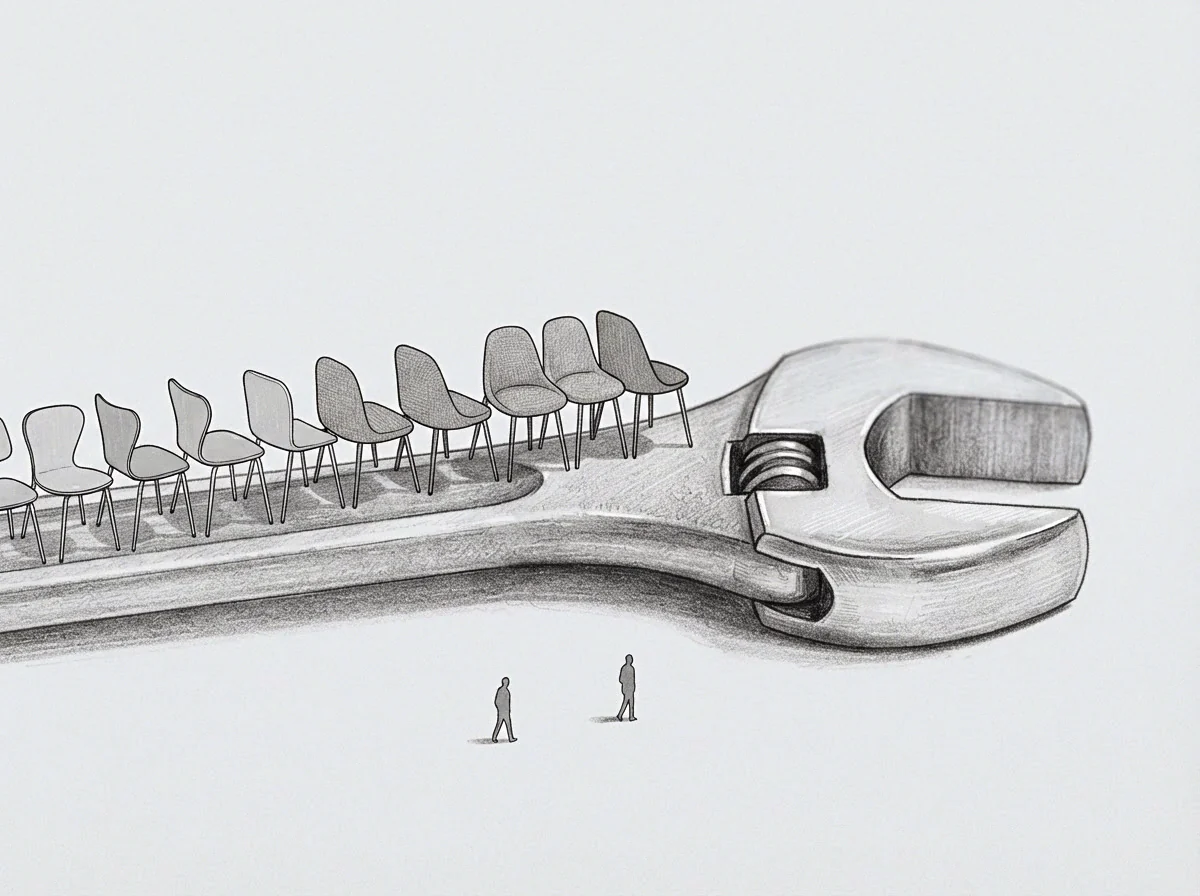
Transitioning expertise involves a learning technique where an experienced practitioner observes a successor performing a task. This process of reverse shadowing involves the founder watching the new leader manage meetings, negotiate deals, handle internal conflicts and mentor staff. It allows the founder to assess the readiness of their replacement and identify areas where more training is needed before the final handover.
Feedback Loop
The effectiveness of this approach depends on the founder’s ability to remain silent during the observation phase. Intervening too early prevents the successor from developing their own style and learning from their mistakes. Successful reverse shadowing requires a structured debriefing session afterward where the founder explains the logic of their observations without being overly critical.
Emotional Capacity
Watching someone else lead the company they built can be a source of mental and emotional strain for a founder. It requires a great deal of patience and self-control to let the new manager take the lead in high-stakes situations. This process often feels like a slow loss of identity, as the founder realizes they are no longer the primary driver of the organization’s success.
Succession Quality
Using this technique ensures that the transfer of power is based on demonstrated competence rather than a set of assumptions about leadership. Mastery is confirmed.