Meaning
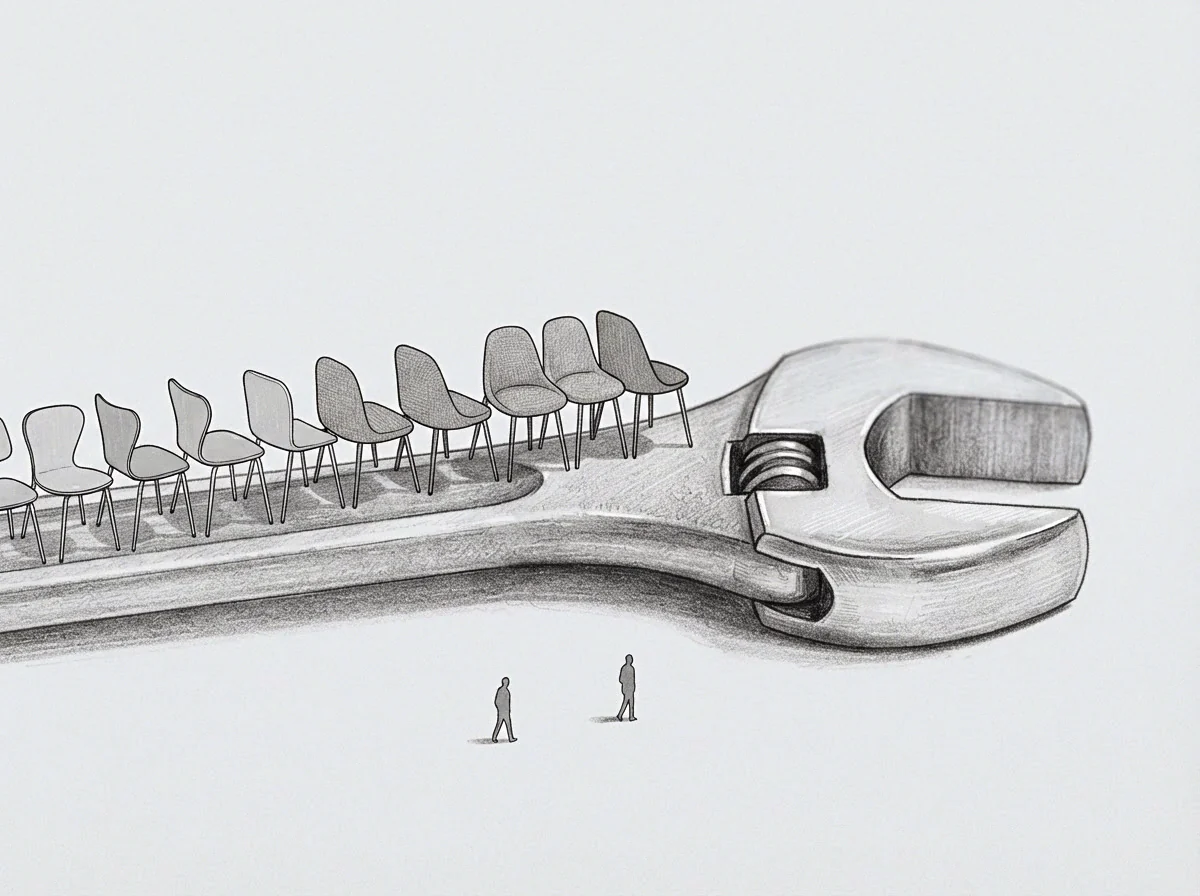
Standardization of internal methods occurs through a systematic process of converting technical routines into digital documentation. This activity, known as procedural knowledge codification, ensures that the knowledge required to run a business is stored in a format that anyone can access. It allows the business to function consistently without the constant presence of its creator.
Operational Resilience
Standardizing how work is done reduces the errors that occur during a transition between leaders. When a firm has invested in procedural knowledge codification, new employees can learn complex tasks quickly without needing direct mentorship from the founder. This autonomy builds a more resilient organization that can scale its operations without being limited by the time of a single person.
Documentation Cost
The effort required to record every step of a complex workflow consumes hundreds of hours of concentrated focus and energy. Many founders find the process tedious because it requires them to deconstruct actions that have become second nature over years of practice. Despite this cost, procedural knowledge codification is the only way to prevent the loss of institutional memory during a handover.
Value Creation
Well-documented systems increase the market value of a firm by proving that the business is a repeatable machine rather than a collection of individual talents. Asset value grows.