Meaning
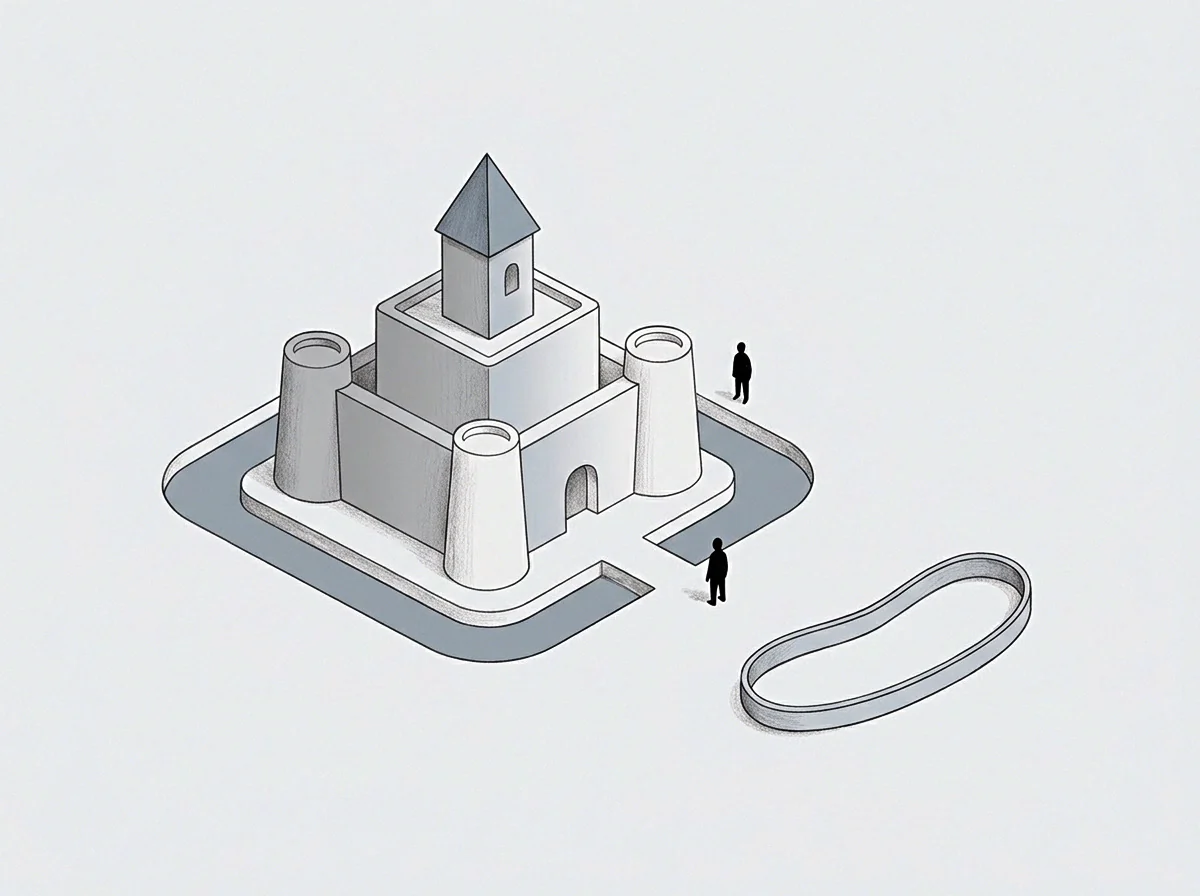
Seat erosion is the gradual loss of executive authority and operational control experienced by a founder over successive financing rounds. Board dilution and voting preference shares accelerate this decline in power. Founders lose statutory vetoes when new equity classes outvote common stock.
The process stops at the complete detachment of the founder from strategic decision-making.
Board Dynamics
Investors appoint independent directors to professionalise governance after seed capital arrives. Committee structures dilute founder voting blocks further through predetermined majority rules. Majority voting replaces founder consensus models within twelve months of Series A funding.
Boardroom voting patterns show a systematic preference for operational standardisation over founder intuition.
Operational Displacement
Professional managers take over daily execution once headcount passes fifty employees. Functional departments report to hired chief executive officers instead of the original creator. Daily communication channels bypass the founder entirely during departmental scaling phases.
Operational displacement costs founders hours of direct oversight capacity each week.
Control Retention
Founders preserve residual influence through intellectual property ownership and unique domain expertise. Dual-class stock structures protect voting power against aggressive dilution attempts. Strategic advisory roles maintain access to critical board discussions without operational burdens.
Retained influence requires constant vigilance against further equity erosion.