Meaning
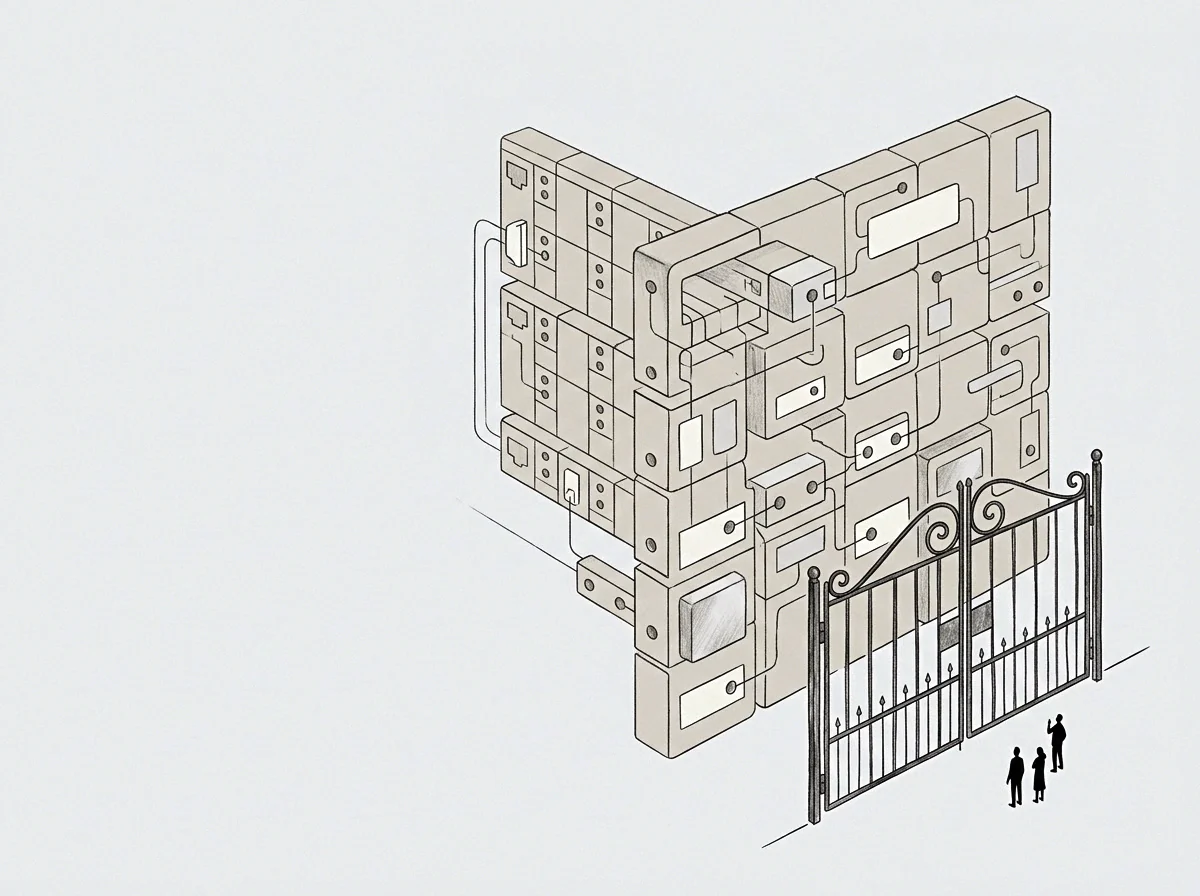
Management infrastructure represents the middle layer of directors or vice presidents who run daily department tasks. In transitioning startups, a secondary operator tier consists of professional managers hired to execute the strategic vision of the founder. This structure allows the company to function without the founder’s constant supervision.
Operational Autonomy
Delegation becomes effective when the founder step downs from daily decision-making. The creation of a secondary operator tier provides the company with experienced leaders who can run operations independently. This development frees the founder to focus entirely on long-term strategy and fundraising.
Scaling Success
Organizational expansion requires a shift from a flat startup structure to a more hierarchical system. Relying on a secondary operator tier ensures that department heads can make decisions without waiting for the founder’s personal approval. This shift increases the speed of execution and improves overall efficiency, making the firm less dependent on any single individual and more attractive to institutional investors.
Leadership Transition
Founder retirement becomes possible once a reliable team is in place. The secondary operator tier takes over the direct management of departments, allowing a smooth handoff to the new chief executive officer. This preparation makes the company far more resilient in the long term.