Meaning
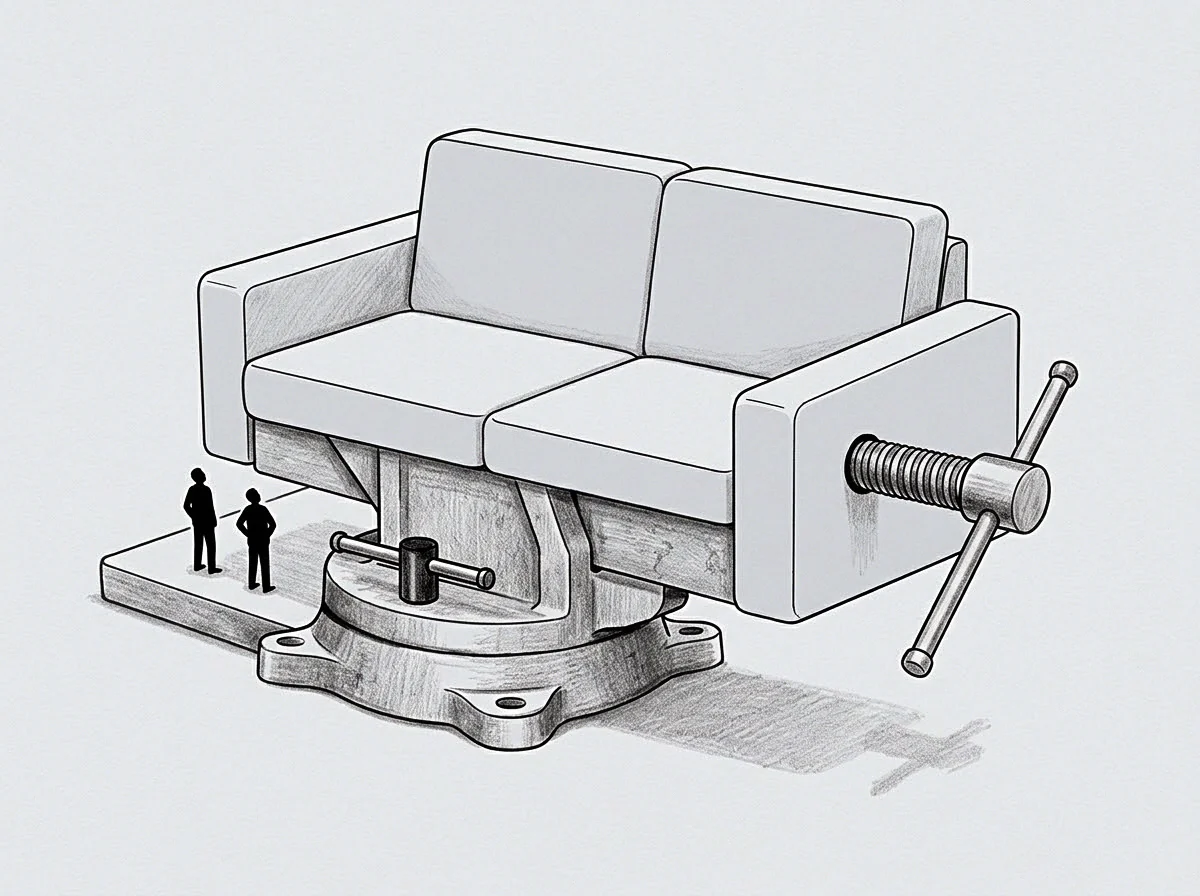
Legal authority allows a lending institution to seize assets or enforce financial obligations upon the default of a borrower. Such secured lender remedies function as the mechanism by which a creditor recovers capital when the primary payment terms fail. These provisions operate within the boundaries of the original security interest agreement and specific national insolvency laws.
Default Procedure
Financial entities initiate these steps after confirming a breach of contractual covenants or the cessation of expected payments. Secured lender remedies trigger when a firm fails to maintain minimum liquidity ratios or misses defined debt service dates. The process frequently begins with a formal notice of default, which shifts the administrative burden onto the founder to provide a corrective plan or face asset liquidation.
Operating Constraint
Asset control often transfers to the creditor through the appointment of a receiver or a forced sale of pledged collateral. This shift in management capacity reduces the hours available for business development as founders spend time interacting with legal counsel or accounting officers. Direct access to working capital ceases once the creditor exercises a lien, which forces the organization to halt all non-essential expenditures to preserve remaining value for the debt holder.
Recovery Mandate
Final settlement of claims occurs through the systematic disposal of physical equipment, intellectual property, or inventory that stands as collateral for the initial loan. Secured lender remedies prioritize the payout of debt obligations over any residual equity held by the founder. The valuation of these assets fluctuates depending on the speed of the liquidation process and current market demand for the items.