Meaning
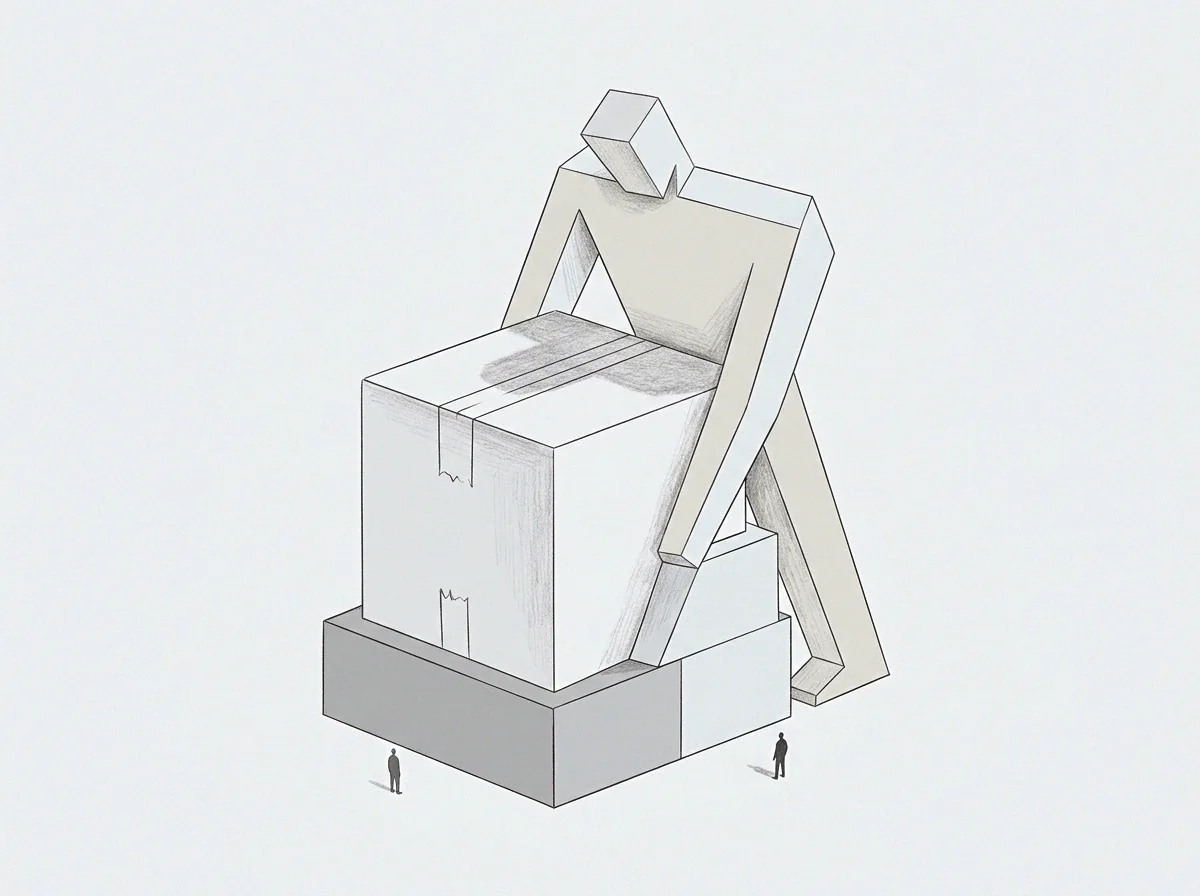
The hidden accumulation of unaddressed architectural compromises, organizational shortcuts and deferred governance obligations over successive business cycles generates escalating operational liabilities. This compounding phenomenon, recognized as silent debt compounding, increases the long-term cost of technical maintenance and organizational restructuring without generating visible balance sheet indicators. The process accelerates quietly while top-line performance metrics suggest outward stability.
When an overdue system overhaul triggers widespread operational failure, the hidden liability crystallizes into an acute enterprise crisis.
Architectural Decay
Deferring core infrastructure upgrades in favor of immediate feature releases steadily undermines system stability. Through silent debt compounding, small technical workarounds coalesce into fragile dependencies that require disproportionate engineering hours to maintain. Development velocity slows as engineering teams spend more time navigating legacy patches than building new functional value.
The eventual remediation of these tangled architectures demands significant capital investment and extended operational downtime. Neglecting technical maintenance guarantees future productivity collapse.
Organizational Friction
Procedural compromises made during rapid scaling accumulate as administrative overhead that burdens subsequent operational leadership. Unaddressed silent debt compounding within organizational design produces confusing reporting lines, redundant workflows and undocumented institutional dependencies. Resolving these entrenched structural inefficiencies drains executive energy and provokes interpersonal friction across department heads.
Remedying systemic organizational debt requires deliberate administrative restructuring and clear governance mandates. Structural neglect inevitably levies a compounding tax on executive attention.
Solvency Risk
Ignoring accumulated technical and organizational liabilities jeopardizes the long-term survival of the commercial enterprise. The insidious nature of silent debt compounding ensures that remediation costs grow non-linearly, eventually outstripping the annual operational budget allocated for system development. When market shifts demand rapid strategic pivots, an enterprise burdened with extreme internal debt finds itself structurally incapable of executing necessary changes.
Proactive debt retirement preserves corporate agility and protects shareholder equity from catastrophic obsolescence. Ongoing structural remediation remains an unavoidable cost of organizational longevity.