Meaning
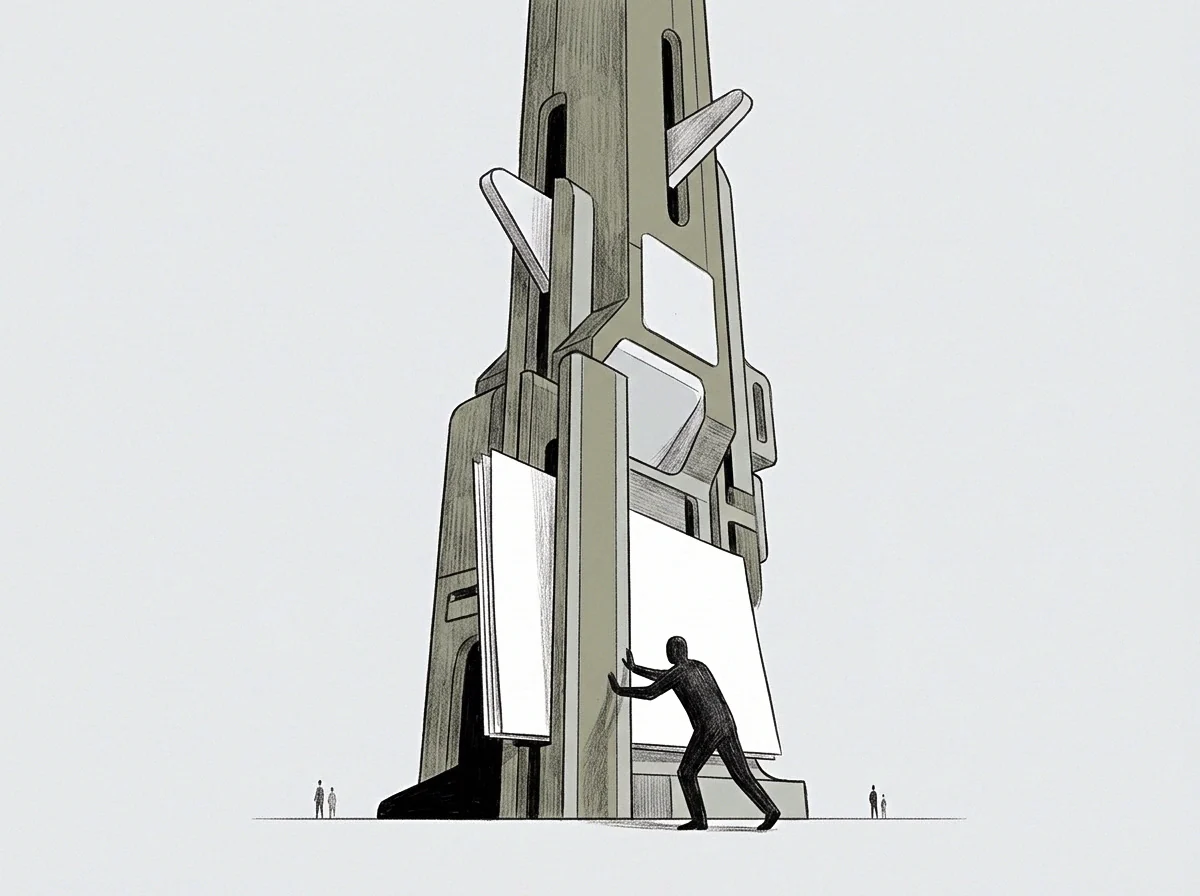
Organizational layers and specialized personnel insulate enterprise founders from daily operational turbulence. Positioned between executive founders and functional departments, structural buffers intercept tactical issues, staff conflicts, and customer escalations before they reach leadership. The configuration terminates at extraordinary corporate crises, such as regulatory investigations or hostile corporate transactions, which bypass operational protections to demand direct founder response.
Protective Layers
Chief of staff positions, operational managers, and executive administrative teams serve as organizational shock absorbers. Through the deployment of structural buffers, enterprises systematically screen incoming communications, filtering out low-priority administrative demands that otherwise derail executive concentration. These personnel evaluate routine requests, route inquiries to proper departments, and resolve operational issues independently.
Building these operational shields requires dedicated budget allocations and continuous managerial calibration, but it shields executive capacity from administrative exhaustion.
Bandwidth Conservation
Executive longevity depends directly on preserving founder attention for high-value strategic responsibilities. Without operational barriers, founders spend their working days reacting to minor personnel disputes, operational delays, and vendor disputes. Structural buffers return hours of focused creative and analytical time each week, enabling sustained strategic attention and calm enterprise governance.
The founder gives up informal workplace banter and unfiltered operational data, accepting parsed summaries in place of raw ground-level drama.
Systemic Resilience
Enterprise efficiency improves when functional units learn to resolve internal challenges without executive intervention. Structural buffers force middle managers to build independent problem-solving skills, ending the habit of escalating routine matters to executive leadership. If an unexpected operational failure occurs, middle managers handle the fallout while the founder stays focused on long-term corporate positioning and investor relations.
Structural buffers safeguard executive stamina while promoting autonomous management across all departments.