Meaning
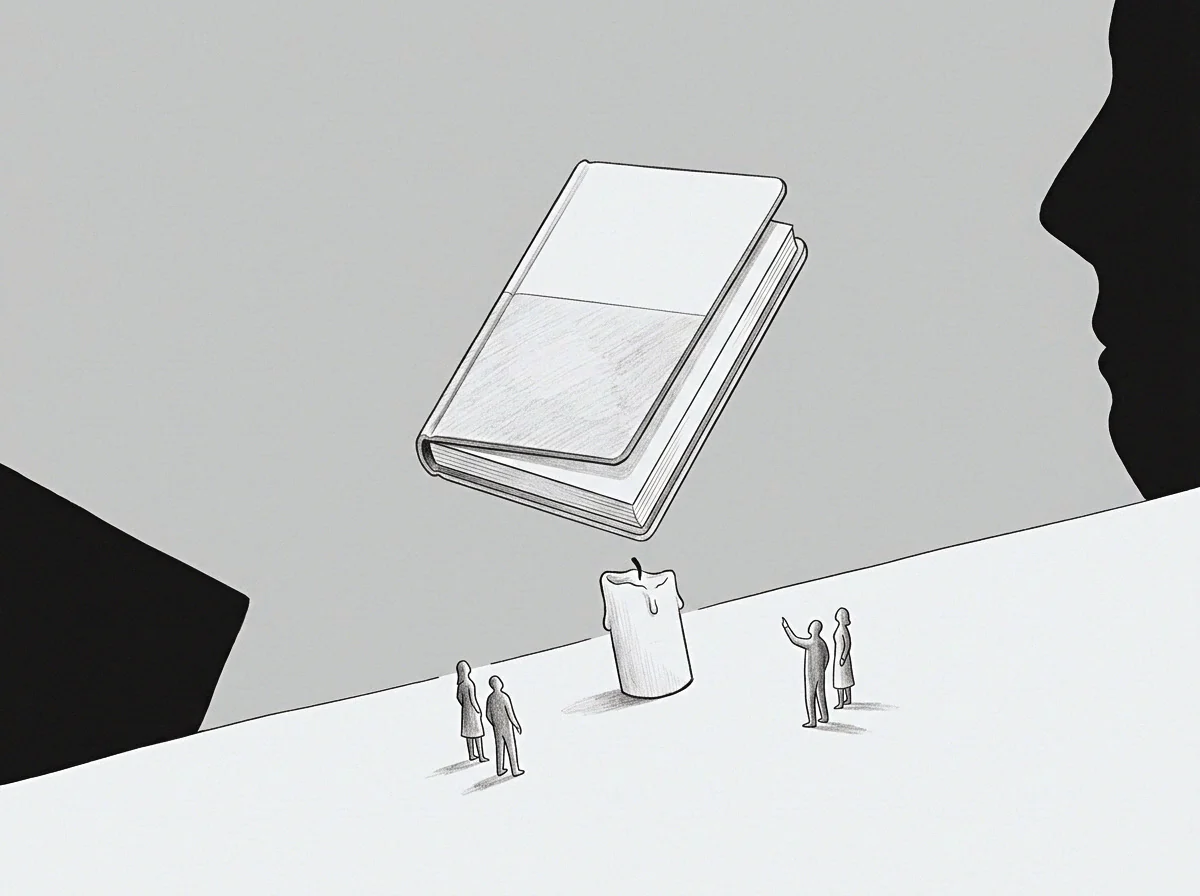
Organizational separation refers to the deliberate removal of a founder from the daily operations and communication channels of their company. For transition plans, structural detachment ensures that the successor can build their own authority without the founder’s shadow. This separation involves leaving operational meetings, relinquishing chat channel access, and moving to a separate office location, which breaks the habit of dependency.
Authority Building
The physical and digital exit of the founder creates the space necessary for the new leader to govern. When the creator is no longer present in internal chats or meetings, employees must look to the successor for guidance. This change builds the successor’s credibility and speeds up organizational adaptation.
Psychological Shift
The separation reduces the temptation for the founder to intervene in daily issues. By creating physical distance, the individual can focus on their next venture or advisory role. This clean break helps the founder transition their identity away from the company.
Boundary Separation
This separation strategy fails if the founder retains informal backchannels to key employees. If workers continue to run ideas by the creator before presenting them to the executive, the separation is broken. The founder must actively redirect these inquiries to the new leadership team.