Meaning
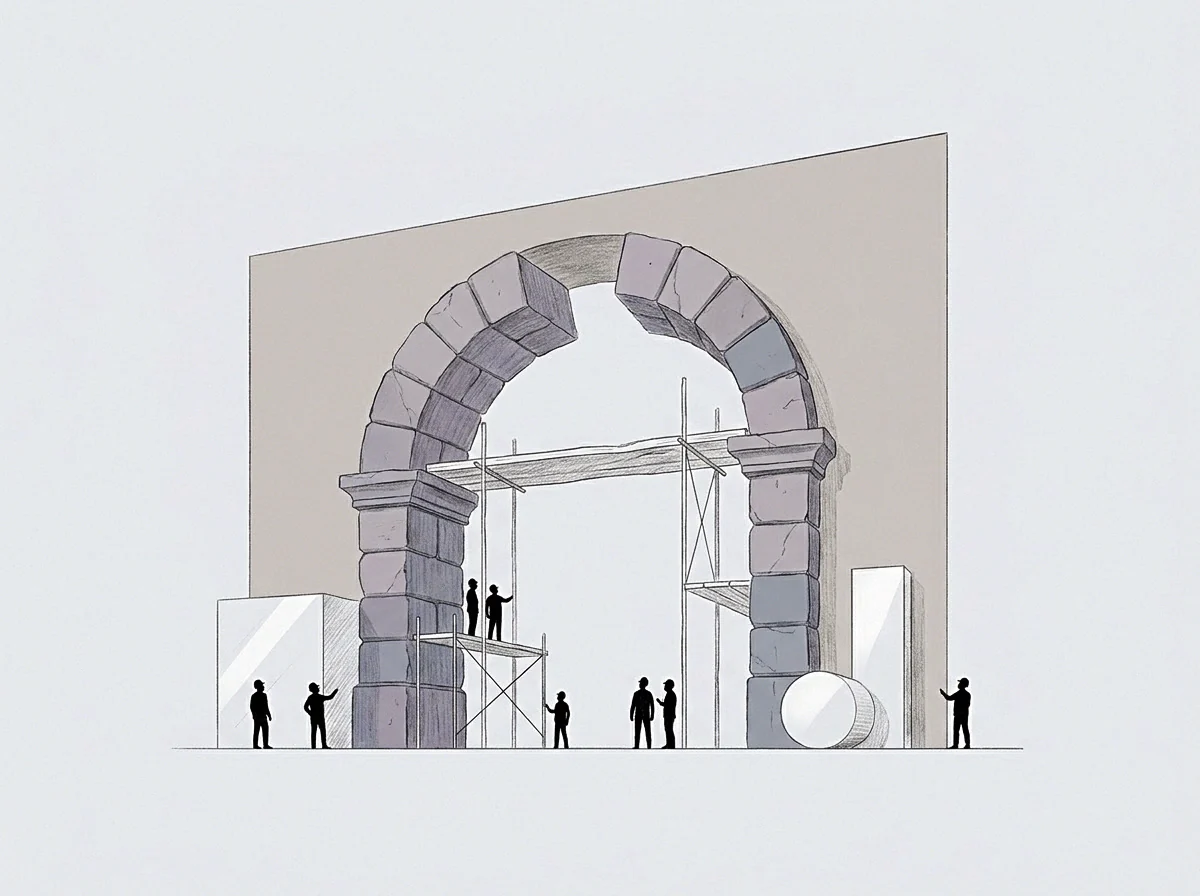
A situation where the board of directors and the majority shareholders cannot agree on a course of action creates a standstill that halts strategic execution. This structural impasse arises when a retired creator holds fifty percent of the voting power and the venture funds hold the other half. It prevents the company from passing resolutions or approving new budgets, which delays the launching of new products and the hiring of critical personnel.
Deadlock Mechanism
The dispute is often caused by equal board representation where neither side has a tie-breaking vote. This structural impasse blocks the sale of the business or the hire of a new leader. It freezes the organization in its current state because neither side can force a decision.
Capacity Drain
The company’s leadership spends its time on dispute resolution instead of serving customers. This stalemate drains the energy of the executive team and reduces the trust of the staff. It costs the entity valuable market opportunities while the dispute continues.
Resolution Pathway
The conflict is typically resolved through a buyout of one party’s shares or a forced liquidation of the business. It requires a formal legal process or a mediated sale of the company’s assets. This exit is necessary to restore operational clarity to the organization.