Meaning
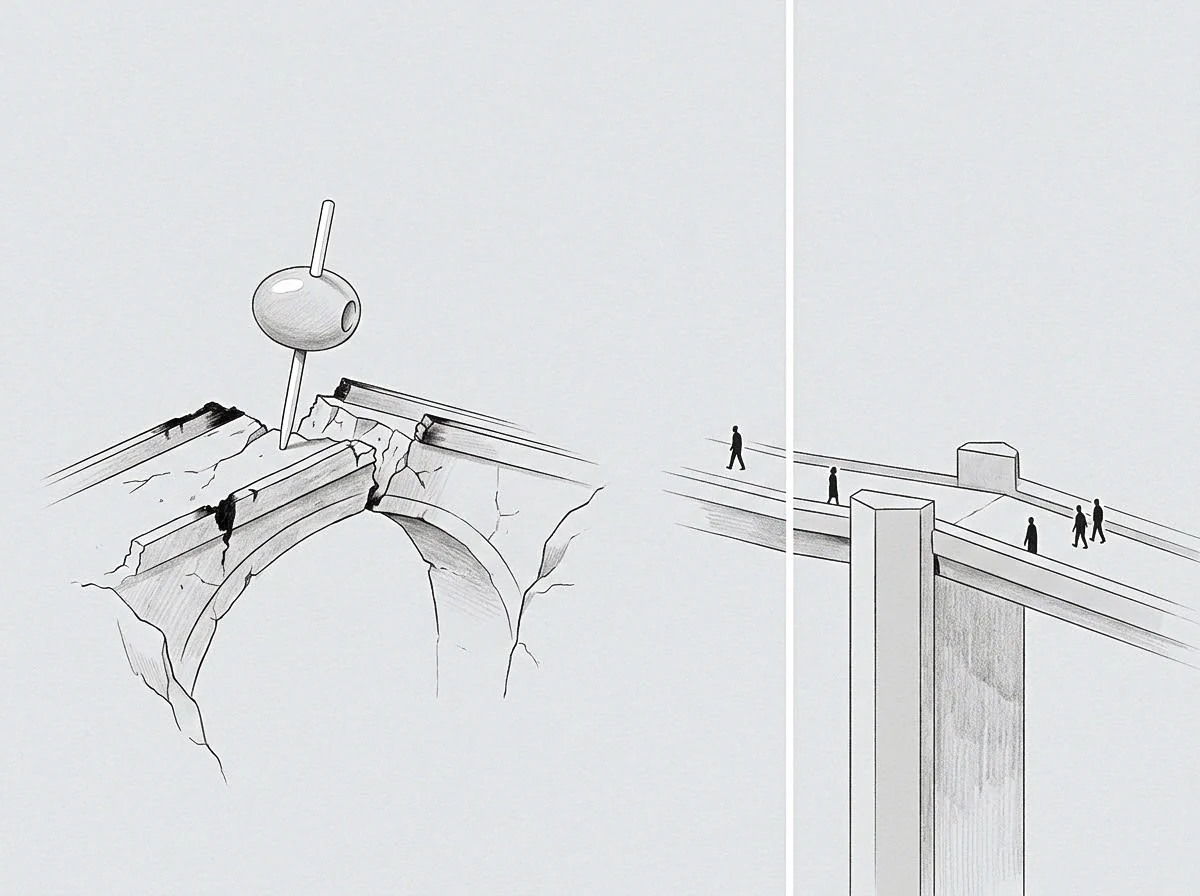
Resistance to organizational continuity arises when a founder retains informal authority after a designated replacement occupies the executive seat. Succession friction describes this latency period where command lines blur because established habits of the originator conflict with the autonomy of the new operator. Discrepancies between historical influence and current decision rights create delays in strategy execution.
Operational Penalty
Persistent intervention by an outgoing individual drains the successor of necessary decision-making capacity. Authority fragmentation occurs when subordinates look toward the prior leader for confirmation of directives issued by the new office holder. This dilution of power increases the energy required to complete standard administrative tasks.
Managers find that simple project approval cycles stall while staff wait for non-official consensus from the past command structure.
Transition Geometry
Formal transfer protocols dictate the distribution of power but often fail to account for the social capital held by an original owner. Successor vulnerability persists if the outgoing figure remains physically present within the daily work environment. Social proximity allows for the observation and correction of new practices by the creator.
This oversight forces the replacement to operate under a continuous shadow of scrutiny that prevents independent policy formation.
Structural Resolution
Decoupling requires the removal of the founder from the active communication loop of the organization. Physical or logical distance provides the environment for a new operator to establish internal legitimacy without interference. Isolation acts as a barrier that prevents informal signals from overriding the documented chain of command.
Stable governance returns once the organization recognizes the replacement as the singular authority for all operational matters.