
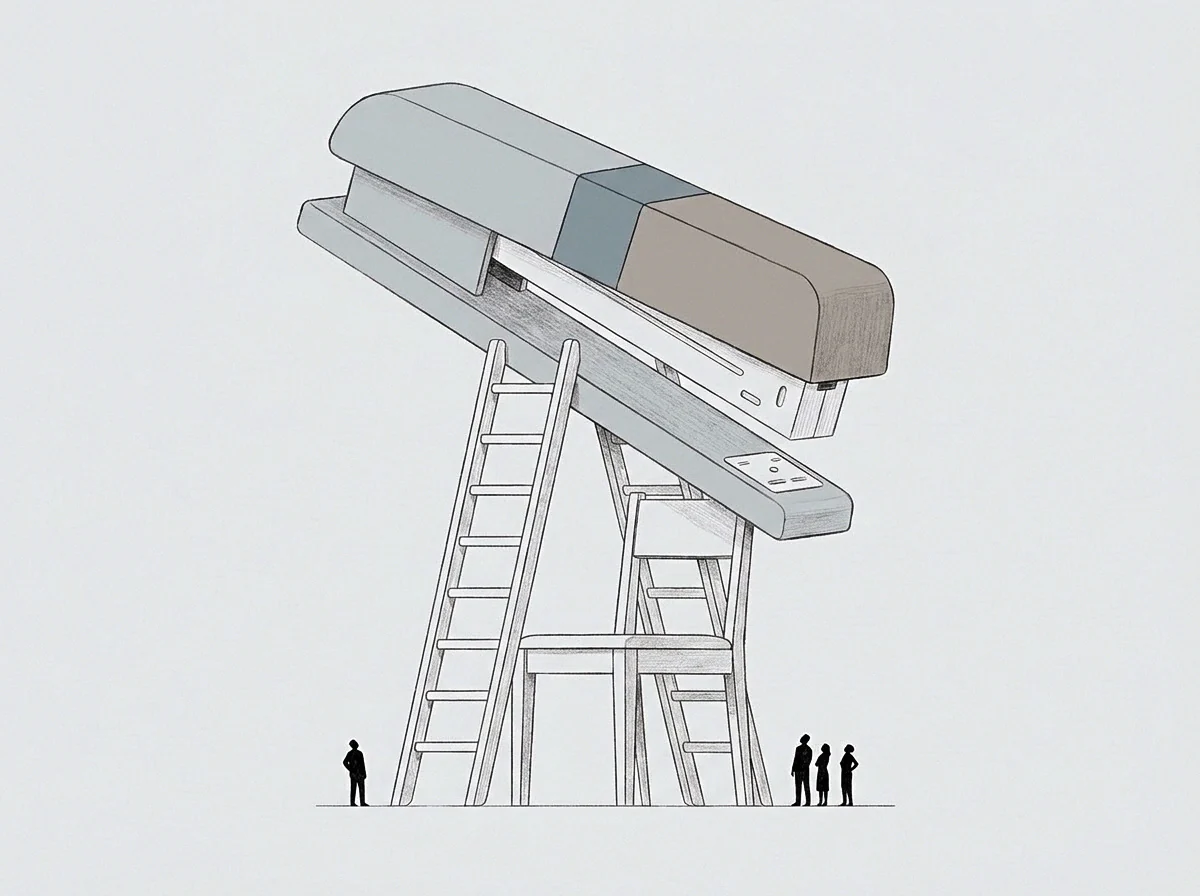
Resolving Direct Shareholder Interference In Family Business Succession
Resolving direct shareholder interference requires formal governance boundaries, independent board oversight, and binding legal redemption mechanisms.
Resolving direct shareholder interference requires formal governance boundaries, independent board oversight, and binding legal redemption mechanisms.
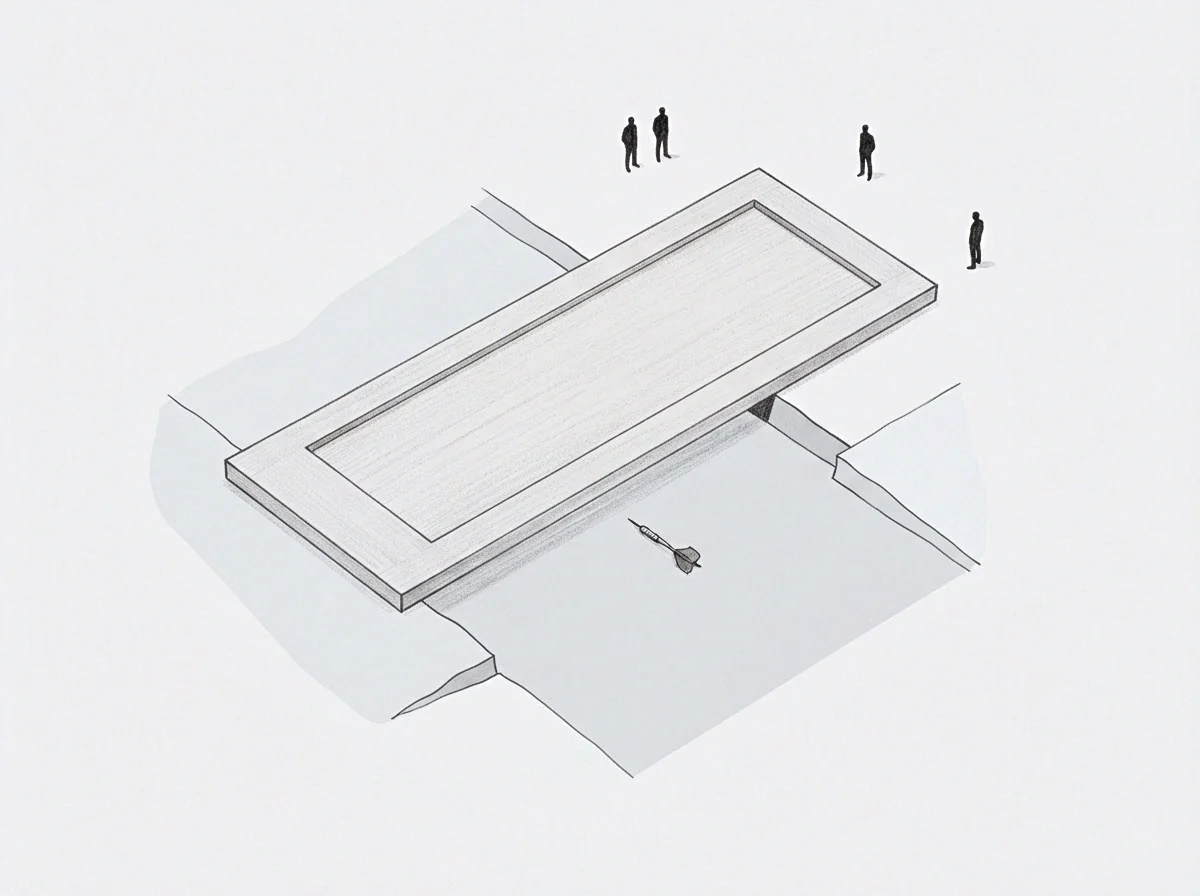
Separating technical production from executive management replaces unpriced tacit labor with explicit governance terms, protecting executive capacity and structural solvency.

Enterprise sales handovers preserve executive attention by gating post-close escalations and transferring operational authority to account teams within ninety days.
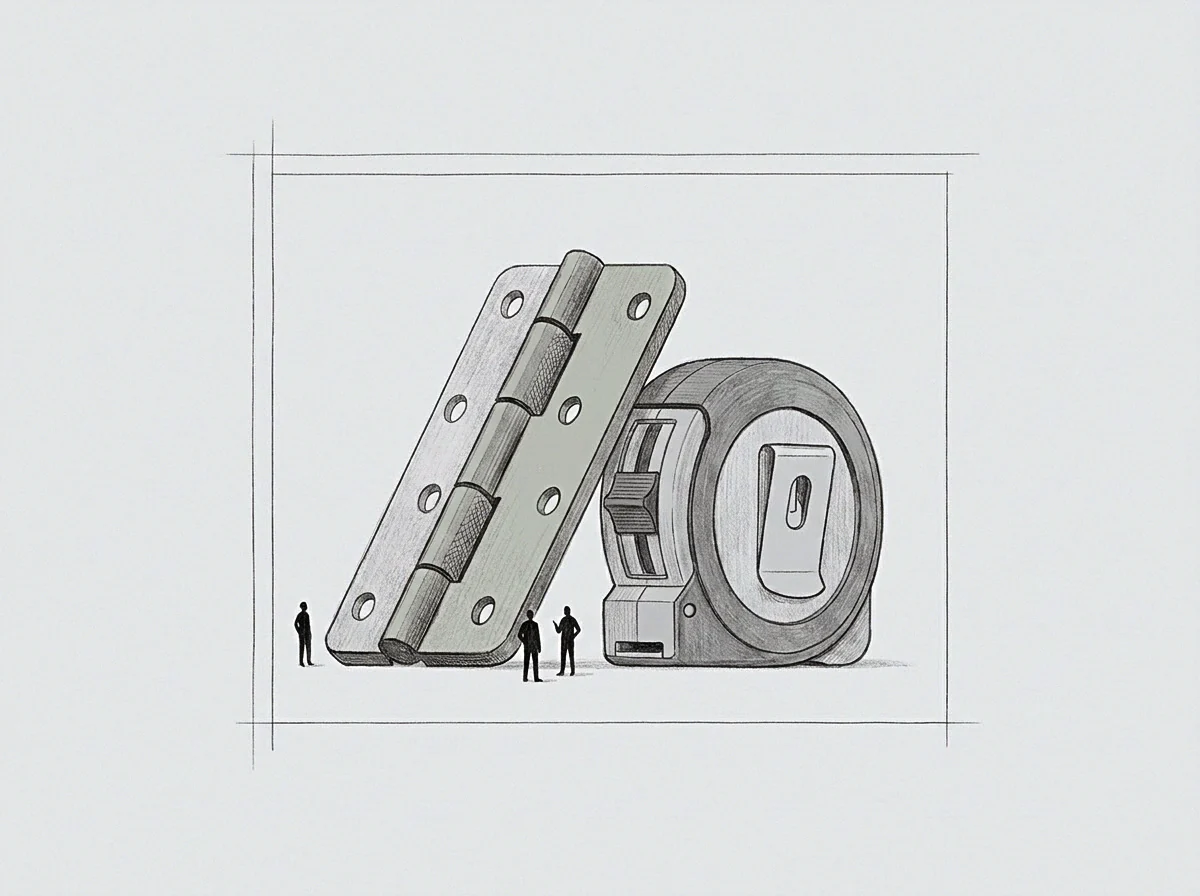
Structural separation establishes distinct operational and legal boundaries between craft production and firm governance to eliminate founder role strain.
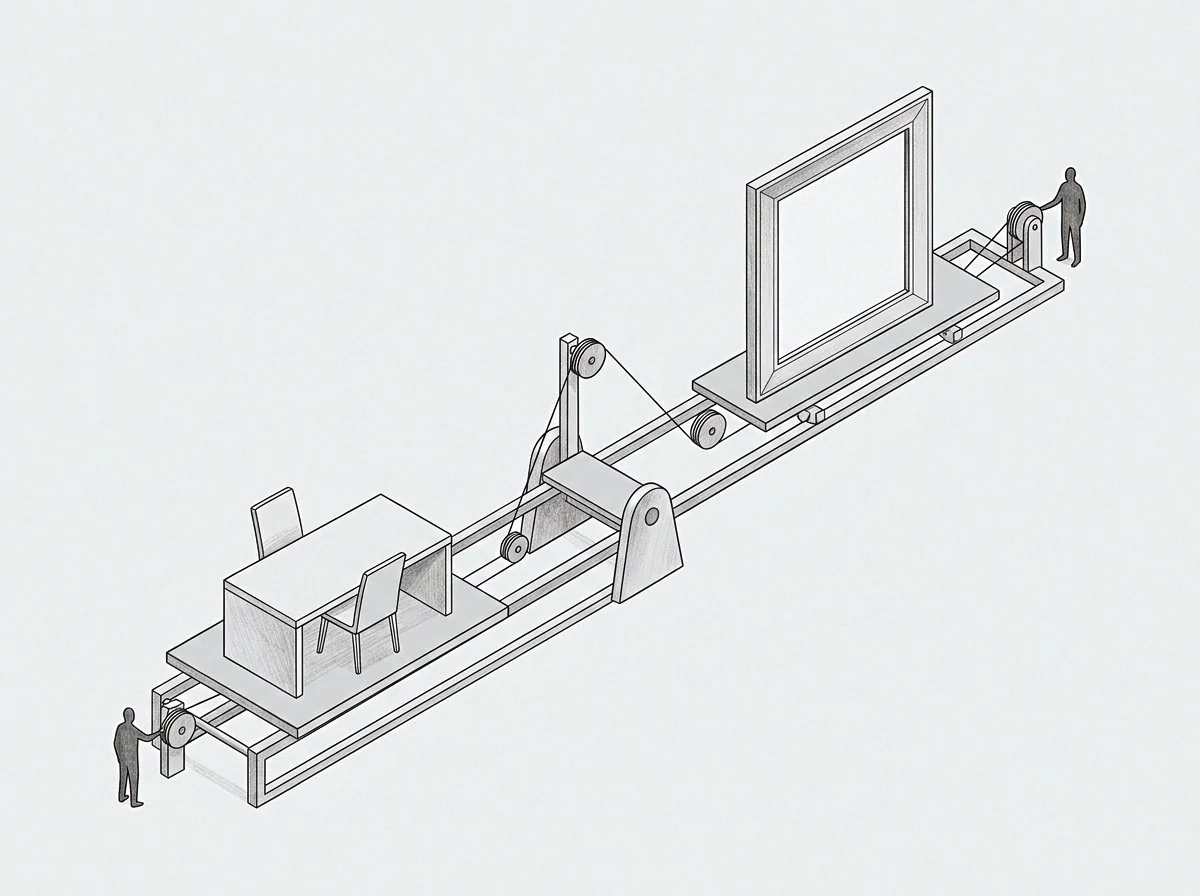
Owner-managed enterprises achieve operational stability by decomposing combined founder duties into distinct technical, managerial, and ownership positions.
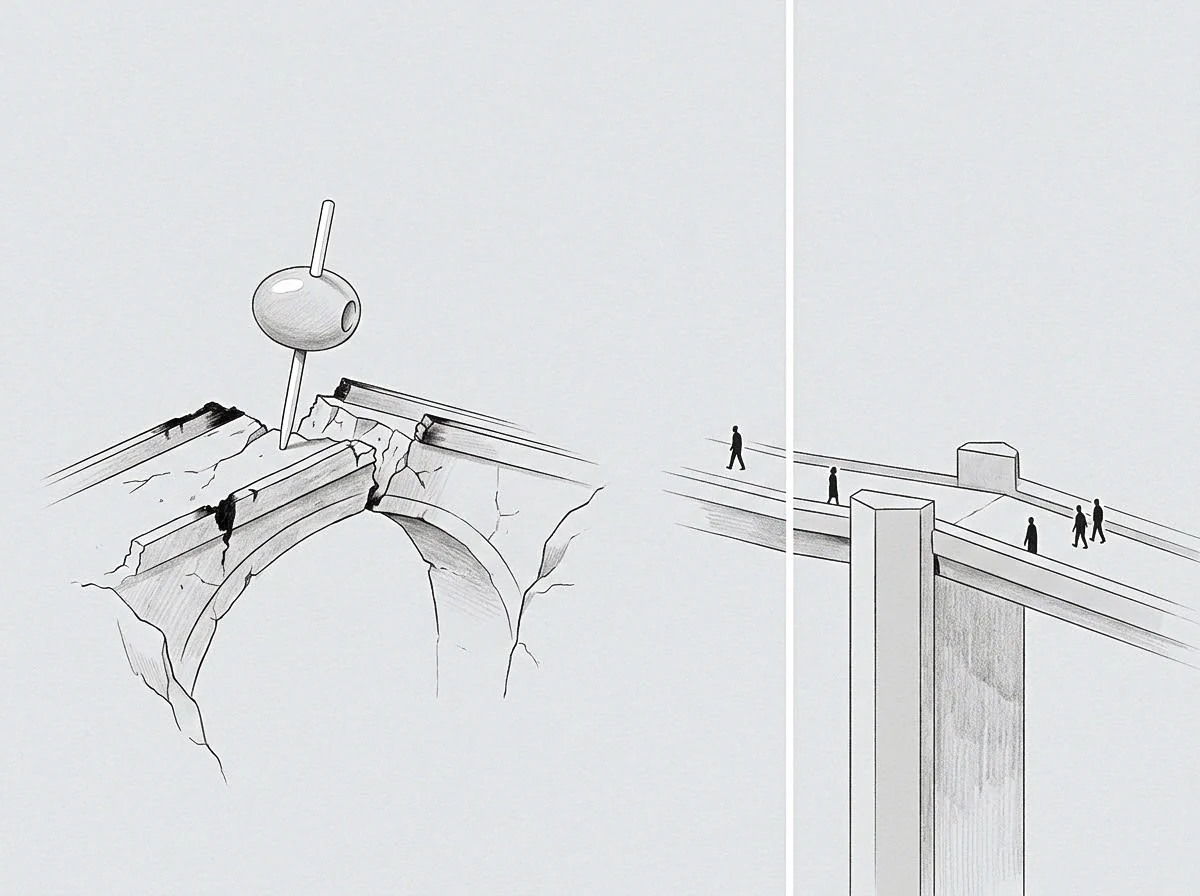
Operational authority transitions succeed when enterprises separate daily dispatch from equity rights and enforce strict channel redirection protocols.
The terms are written where they belong. Each field holds three desks, and every entry a desk writes raises the terms it uses, each term given a meaning, a mechanism and the places it appears. The record on these pages stays first person and hand made; the fields grow the nomenclature.