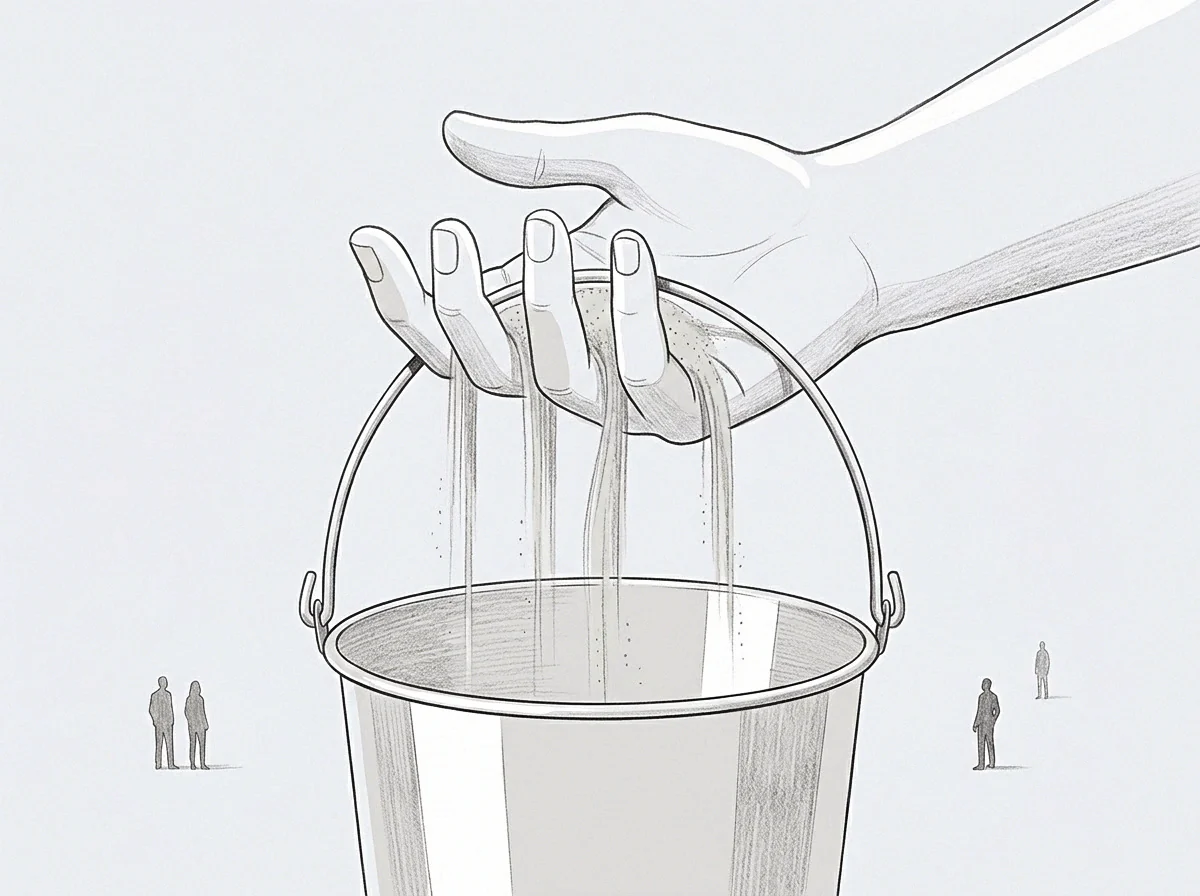
Meaning
Temporary framework of mentorship, shared authority, logistical assistance and advisory support built around a new leader during a transition period ensures the continuity of an organization. This succession scaffold is designed to support the person moving into the chief executive seat while they gain the necessary context and relationships to lead independently. It typically involves the outgoing founder remaining in an advisory role or as chairman for a fixed duration.
The structure is dismantled once the successor demonstrates the ability to manage the firm without external intervention.
Knowledge Transfer
Preservation of the specific technical and social expertise of the departing owner is the primary function of the arrangement. Inside the succession scaffold, the incoming manager has access to the history of past failures and the nuances of established client relationships. This reduces the risk of making avoidable mistakes during the first few months of the new tenure.
The cost to the founder is the hours spent in shadowing sessions and the mental effort of explaining years of intuitive decisions.
Authority Gradient
Management of the shift in power requires a careful balance between providing help and stepping out of the way. If the succession scaffold is too rigid, it prevents the new leader from establishing their own credibility with the team. The departing founder must resist the urge to override the choices of their successor even when they disagree with the direction.
This restraint is a cost in emotional energy and requires a high degree of self awareness to maintain.
Phased Withdrawal
Reduction of the support system occurs in stages as the new leadership gains confidence and results. The final removal of the scaffold marks the official start of the next era for the company.