Meaning
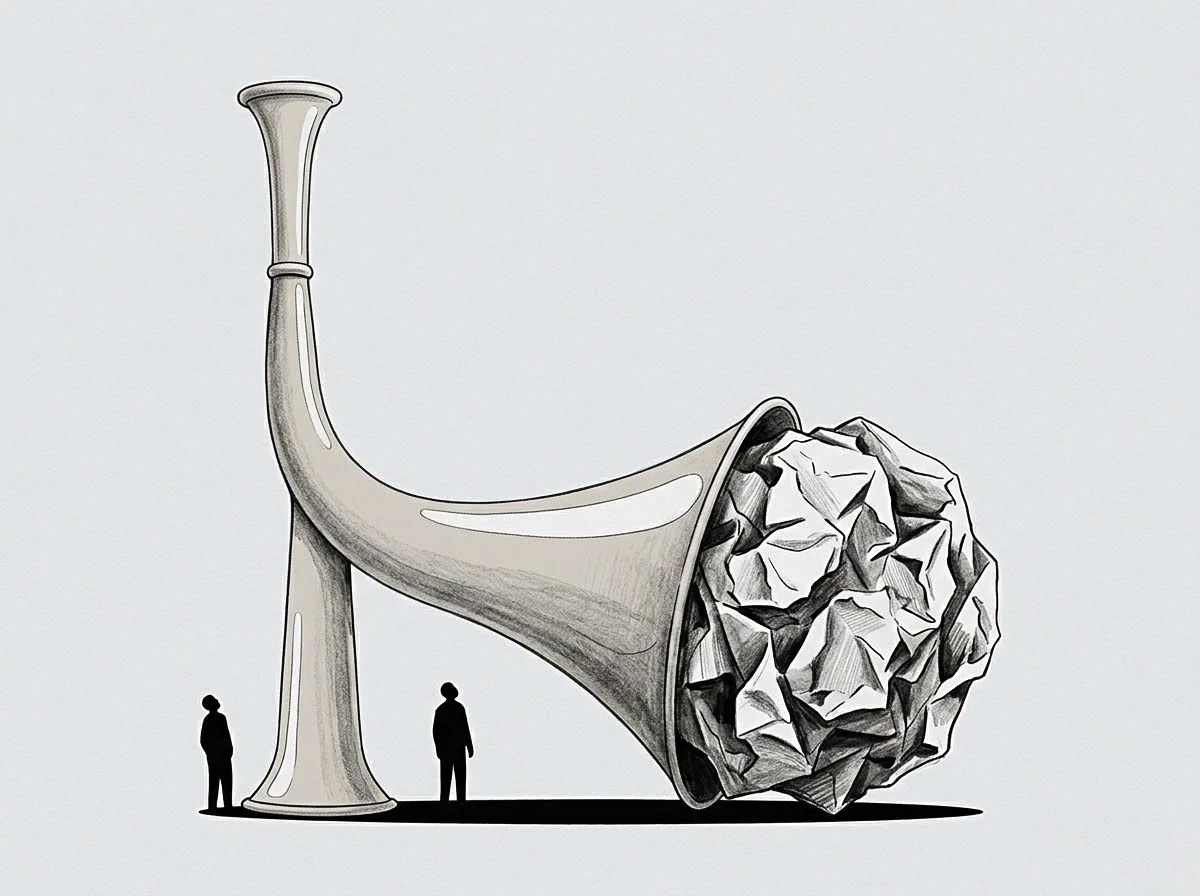
Transactional expenditure arises whenever a transition necessitates the movement of data, capital or personnel between two operational systems. Switching friction defines the quantity of effort required to displace established work from one environment into another. This constraint includes the time spent on reconfiguring logic, the loss of continuity during migration and the hidden costs of retraining operators to function within new constraints.
Transition Utility
Operational inertia dictates how effectively an organization migrates its existing assets to a different platform. High degrees of switching friction prevent the realization of gains expected from a hardware or software upgrade. When a founder moves from an early stage architectural setup to a scaling environment, this difficulty creates a drain on capacity that delays product delivery.
Personnel tasked with moving complex configurations face increased hours of maintenance until the new architecture stabilizes.
Capital Expenditure
Resource allocation shifts toward administrative overhead during periods of system migration. Financial outlays involve direct payments for data cleansing and the secondary loss of revenue caused by temporary downtime. A firm experiences this tax on efficiency through the distraction of senior talent who must supervise the integration rather than focus on growth.
Systemic Drag
Technical incompatibility forces a repetition of setup processes that were completed years prior to the change. This recurring burden acts as a tax on innovation by forcing teams to dedicate energy to compatibility maintenance instead of creative output. Each instance of migration effectively resets the institutional memory and forces a reconstruction of workflows.
A higher barrier of this nature prevents the adoption of better methods because the cost of exit outweighs the potential advantage of the target system.