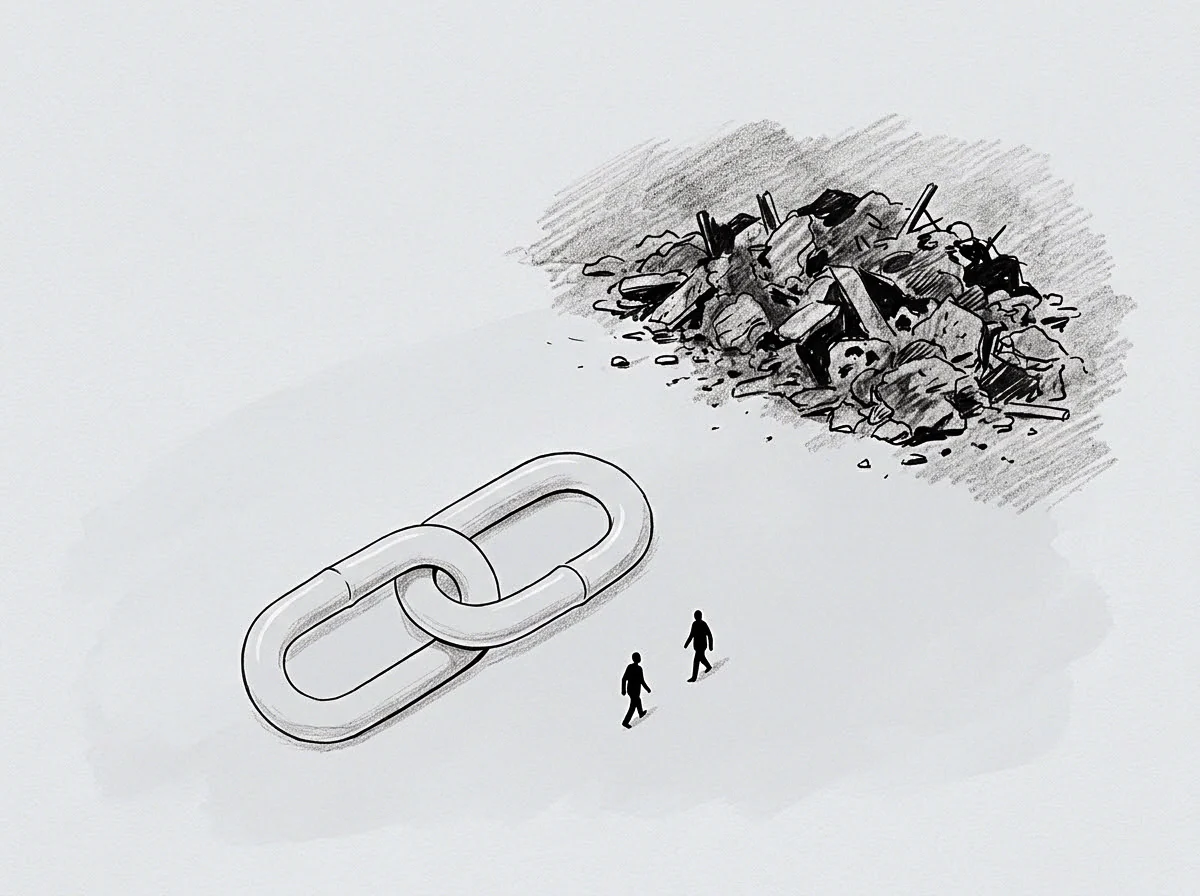
Meaning
Cognitive operational latency defines the measurable loss in mental capacity, executive attention, and systemic momentum caused by shifting focus across disconnected operational domains. The penalty of switching overhead manifests whenever an executive pivots from strategic design to tactical operational triage, client account management, or administrative maintenance. This boundary measures personal cognitive friction and organizational throughput delays, stopping short of external transaction fees or technical compute reconfigurations.
Attention Fragmentation
Rapid functional transitions force an executive to clear working memory, locate relevant context, and re-engage operational parameters for every distinct task. When an individual founder functions as head of engineering, corporate recruiter, and legal lead in the same morning, output quality across every seat collapses. Deep concentration becomes impossible because unscheduled operational interruptions reset mental momentum.
The working day fragments into brief tactical interventions that fail to advance core enterprise priorities.
Founder Depletion
Managing multiple executive seats simultaneously exacts a heavy toll on personal energy, creative output, and emotional resilience. Originators experience severe fatigue not from the total volume of work, but from navigating constant context transitions throughout the operating day. Continuous role-shifting produces cognitive exhaustion, heightening susceptibility to flawed strategic choices and operational oversights.
The executive burns valuable hours regaining focus after minor interruptions, leaving long-term projects permanently delayed.
Structural Containment
Mitigating this cognitive drain requires rigorous task batching, calendar consolidation, and the deliberate delegation of operational seats to specialized hires. Corporate leaders must establish hard boundaries between board governance reviews, functional management meetings, and deep strategic initiatives. Isolating distinct domains allows executive personnel to sustain deep concentration on complex systemic challenges without ongoing distraction.
Reducing daily functional transitions remains necessary to sustain individual performance and safeguard organizational health over extended growth cycles.