Meaning
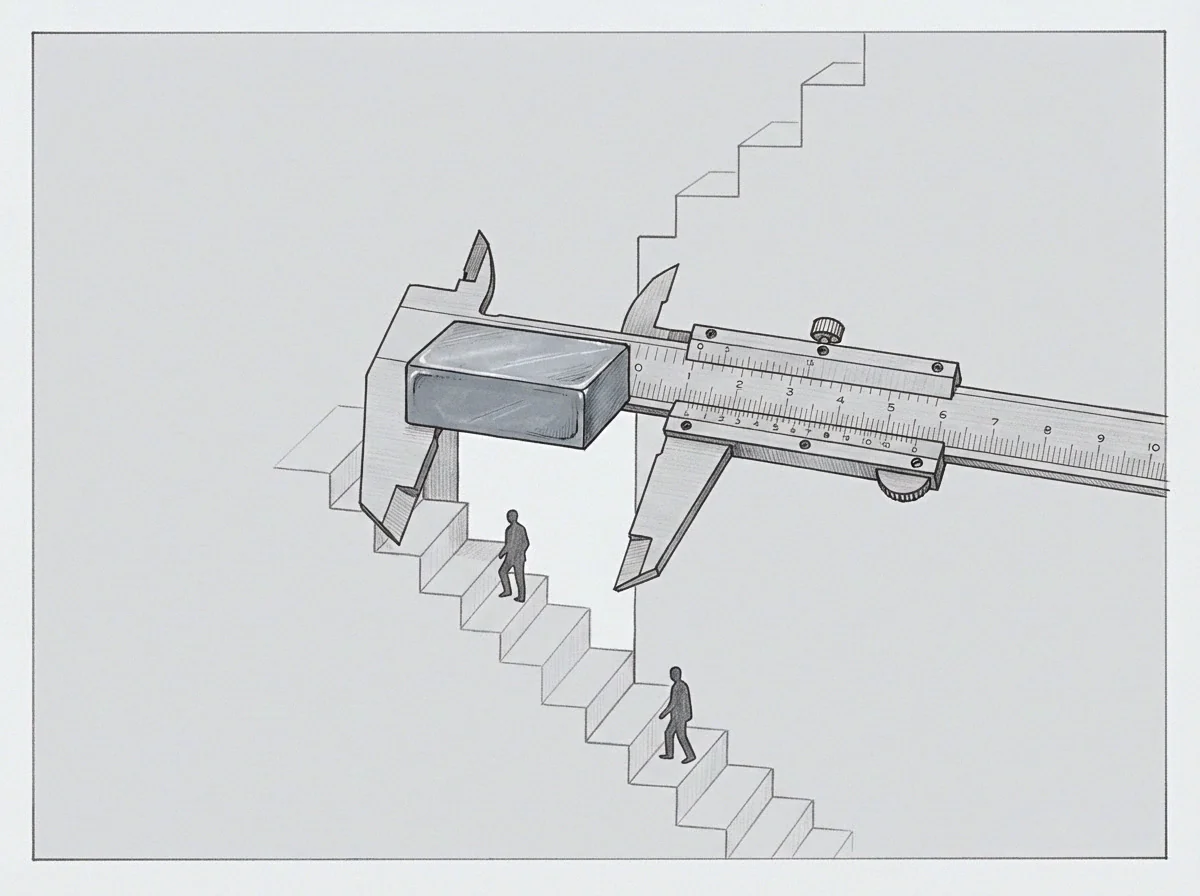
Technical documentation defines the structural arrangement and interdependencies of a computing environment. This system architecture represents the high level map of components, interfaces, and communication protocols within an infrastructure. It dictates how data flows across nodes and establishes the limits of throughput for the entire set of operations.
The boundary of this design begins where hardware meets software and ends at the point of external interface delivery.
Structural Load
Founders managing this configuration carry the cost of technical debt when initial designs fail to scale. Every decision to couple two modules increases the hours required for future maintenance because individual updates become dependent on the whole. A developer shifting into an architectural role allocates personal capacity toward planning these connections rather than executing feature code.
Capacity decreases linearly as the number of interdependencies rises within the model.
Dependency Management
Effective organization rests on the isolation of services to prevent cascading failures. Each block in the design provides a defined function that remains reachable through standardized calls. The stability of the operation depends on the rigour applied to these interface contracts during early deployment.
A well partitioned design allows an engineering team to swap modules without rewriting the underlying framework.
Hardware Compatibility
Physical constraints dictate the performance ceiling of any virtual arrangement. Designers weigh the cost of memory allocation against the latency of disk input for every chosen stack component. Performance improves as the proximity between data storage and execution logic increases.
Proper physical alignment reduces the energy drain on local resources by minimizing unnecessary network hops.