Meaning
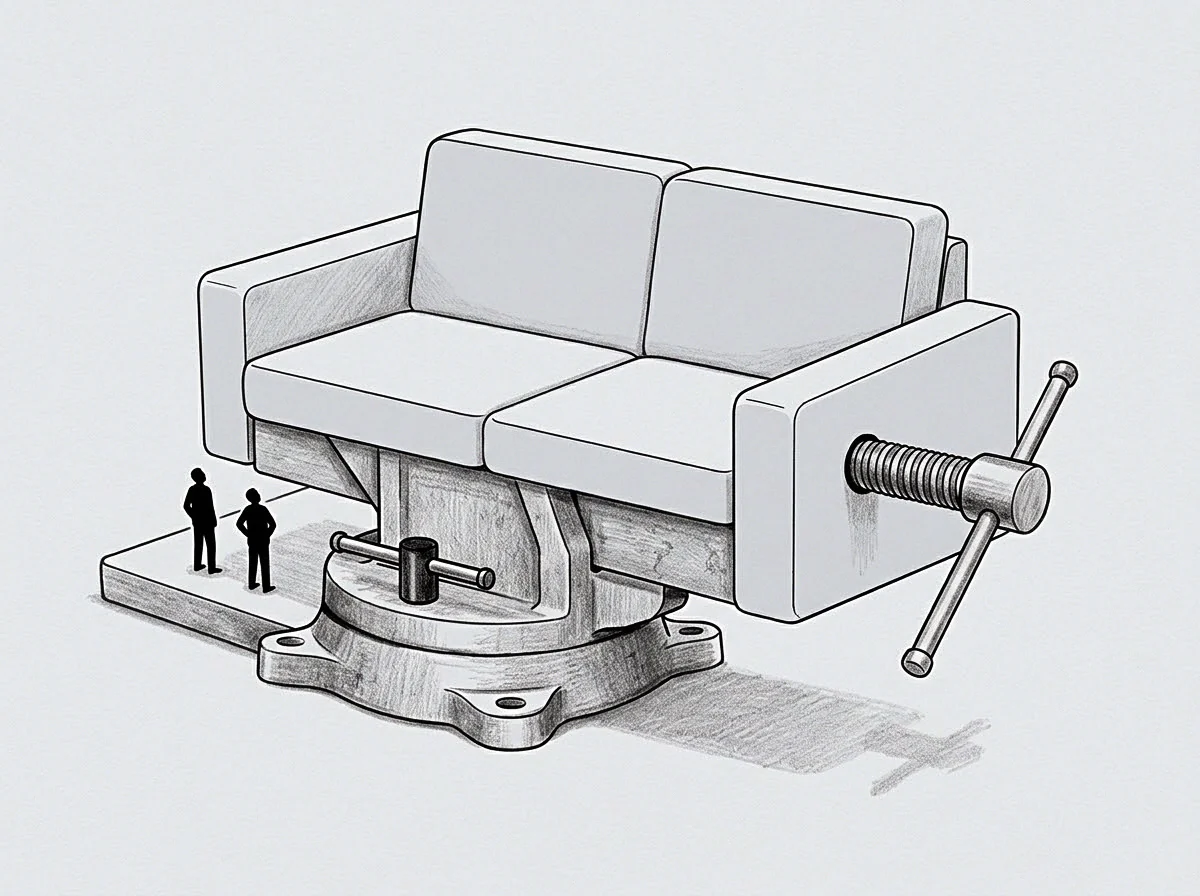
A knowledge-sharing process where unwritten, experiential knowledge is passed from a founder or key expert to their successors. When founders plan their exit, tacitness transfer occurs to capture the informal relationships, heuristics, and deep industry knowledge that cannot be documented. This process ceases once the successor achieves independent operational competence, ensuring that the legacy of personal experience is safely embedded within the ongoing management of the company.
Implicit Knowledge
Understanding how to navigate complex client relationships and internal politics is rarely written in standard manuals. These soft skills are learned through close observation and shared decision-making over several months. Successors must pay close attention to the subtle cues that the founder uses during difficult negotiations.
Mentorship Period
Regular side-by-side working sessions allow the founder to explain the reasoning behind their intuitive actions. This structured pairing demands a significant time commitment from both parties, slowing down daily operations to prioritize long-term education. The investment pays off when the new leader gains full confidence.
Succession Cost
Significant mental energy and hours are consumed by both individuals during this intensive transition phase. The founder must be willing to step back gradually, which requires self-discipline and patience. For the company, this effort reduces the risk of operational disruption when the founder finally departs.