Meaning
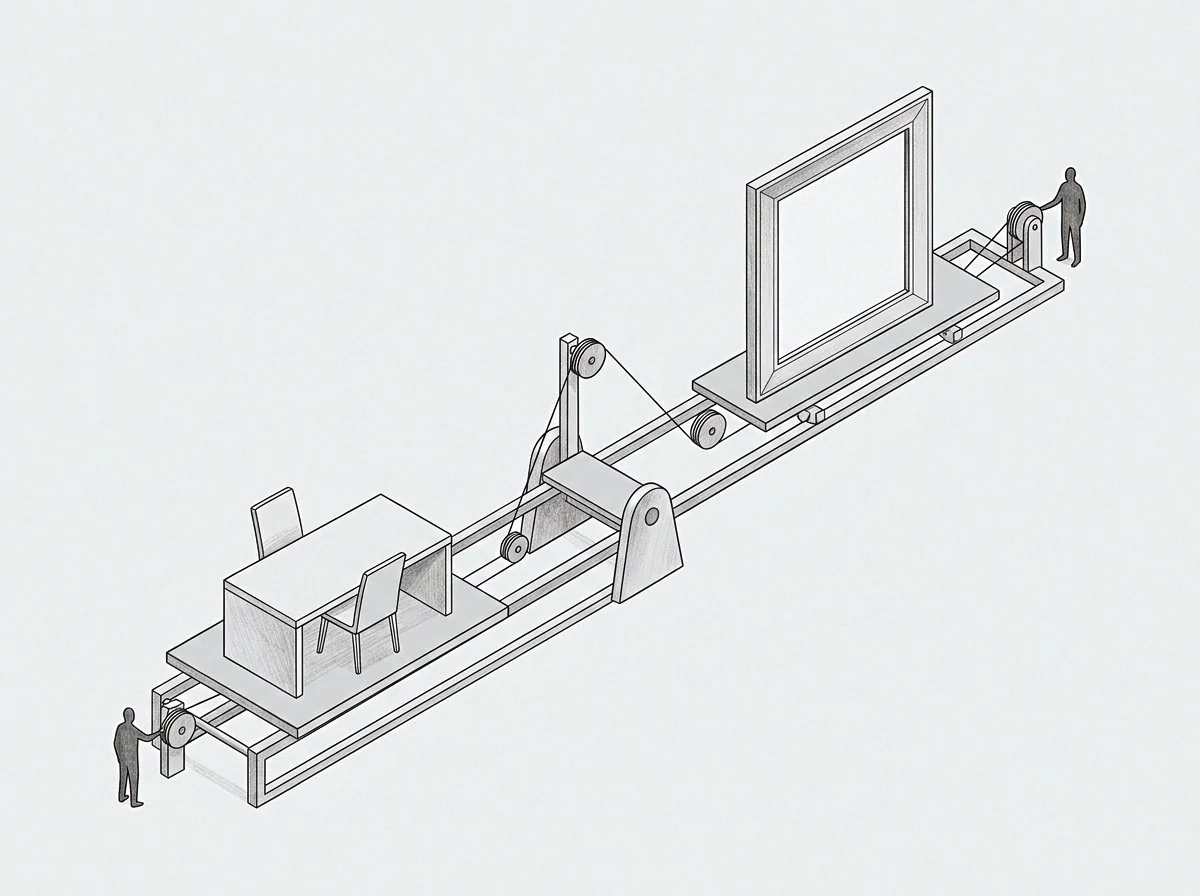
Behavioral patterns involving the rapid movement between different types of work characterize the daily life of many leaders. Frequent task alternation is a hallmark of the early founder role, where one must switch from a legal review to a sales call in the same hour. This concept governs the scheduling of work and the management of individual productivity.
It stops when a person can focus on a single functional area for the entire day.
Context Shifting
Moving between different mental models requires a reset of the person’s focus. Each instance of task alternation carries a cost in time and mental clarity. The brain must reload the specific rules and information relevant to the new activity.
Mental Fatigue
The effort of constantly starting and stopping various projects drains the individual’s capacity more quickly than steady work. Task alternation leads to a feeling of being overwhelmed even when the total workload is technically manageable. Reducing this pattern is necessary to prevent long-term burnout.
Workflow Interruption
Broken concentration makes it impossible to complete complex, creative work. When task alternation is forced by external demands, the quality of the output suffers. An organization that requires its leaders to constantly switch gears is an organization that is not yet fully professionalized.
Creating blocks of time for deep work is the primary solution to this problem.