
Measuring Executive Strategic Capacity Loss Driven By Informal Task Absorption
Informal task absorption continuously degrades executive strategic capacity by consuming cognitive focus and shifting working hours into unassigned operational maintenance.

Shelf
At 11:45 PM, an executive sits in front of a laptop reviewing vendor payment discrepancies that should have been resolved by a finance supervisor three layers down. The office is quiet, but the inbox holds twenty-four unread threads concerning software licenses, customer escalation tickets, and office lease renegotiations. None of these items appeared on any formal position description assigned to the role.
Each task arrived through informal absorption, drifting upward because no explicit functional boundary stopped it.
Work accumulates where authority resides.
When operational responsibilities lack explicit functional assignments within an organization, they land on the desk of the person with residual authority. This process happens quietly over months rather than through sudden mandate. An initial intervention to fix a broken customer onboarding sequence creates an ongoing expectation of direct involvement.
An emergency patch to a technical database table turns into a permanent maintenance duty. The executive seat becomes an informal operational shelf where unassigned organizational friction settles.
Tasks without explicit ownership gravitate toward the executive with the highest residual authority.
Absorbing these duties consumes finite executive attention.
This accumulation alters the fundamental character of executive effort. Working hours expand to cover both strategic planning and routine administrative repair. Because administrative tasks carry immediate deadlines and clear completion criteria, finishing them brings quick gratification.
Long-range strategic development lacks that immediate external pressure, leaving it vulnerable to continuous displacement by small operational emergencies. Schedules fill with fragmented execution cycles that leave no uncommitted time for structural analysis.

The Operational Landing Zone
Unassigned operational work lands on executive desks through predictable structural paths. When a functional team encounters ambiguous operational parameters, escalation serves as a substitute for internal decision-making. The executive absorbs the task to maintain enterprise momentum, assuming the assignment represents a temporary exception.
Operational work expands to fill open calendar space.
The habit of informal task absorption establishes an unspoken operating contract across the enterprise. Direct reports observe that complex exceptions yield faster resolutions when handed upward. Functional managers stop developing local resolution mechanisms because the executive safety net operates continuously.
The organizational capacity for managing ambiguity at lower tiers weakens, reinforcing systemic dependence on executive intervention.
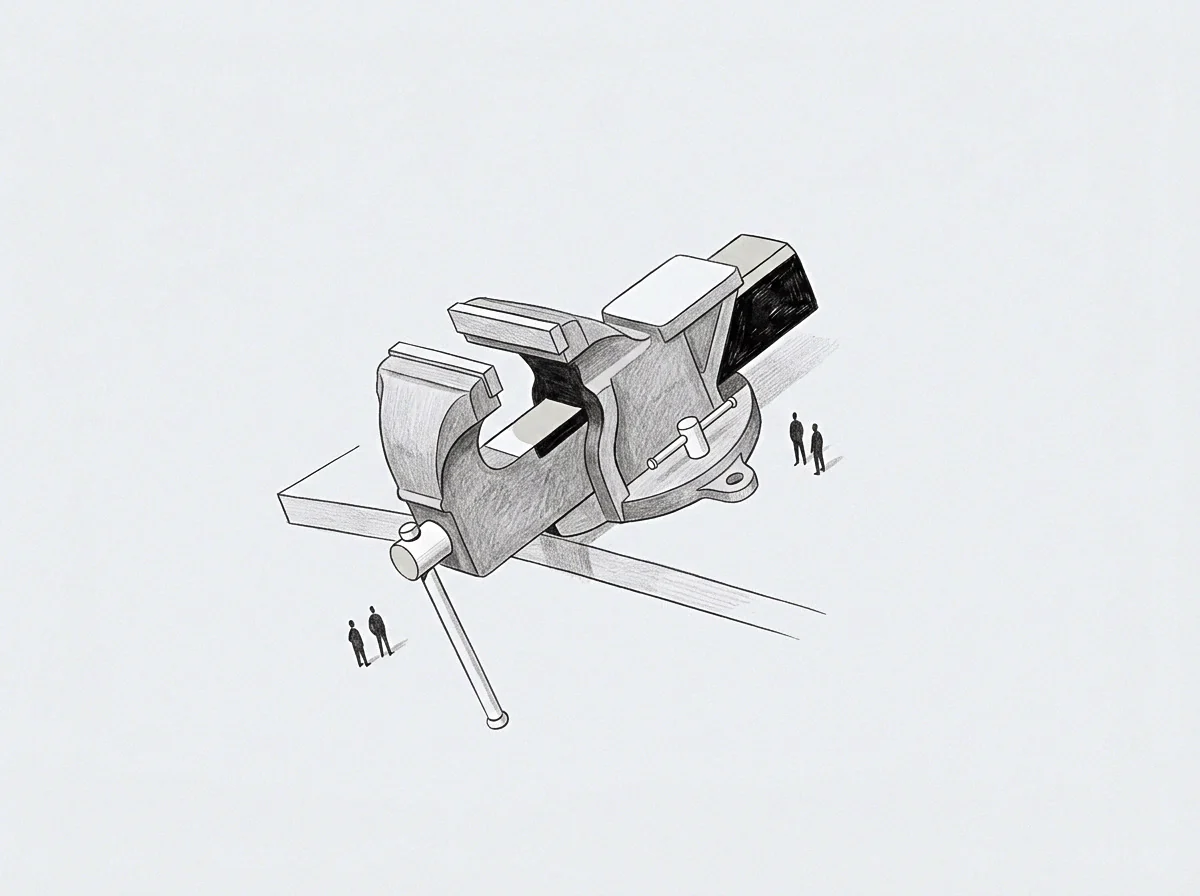
Tacit Accumulation of Administrative Burden
Company payroll fails to track informal task absorption because executive compensation appears as a fixed overhead cost. The organization pays the same executive salary whether those hours govern capital allocation or software key distribution. Unstated roles expand quietly.
This lack of tracking conceals a substantial loss in strategic capacity. Hours spent reconciling vendor line items carry an opportunity cost equal to the strategic initiatives deferred during those same hours. The enterprise operates under the illusion of high operational efficiency while its long-term strategic positioning quietly degrades.
Others in the building assume the executive handles vendor discrepancies because payments continue to clear without interruption.
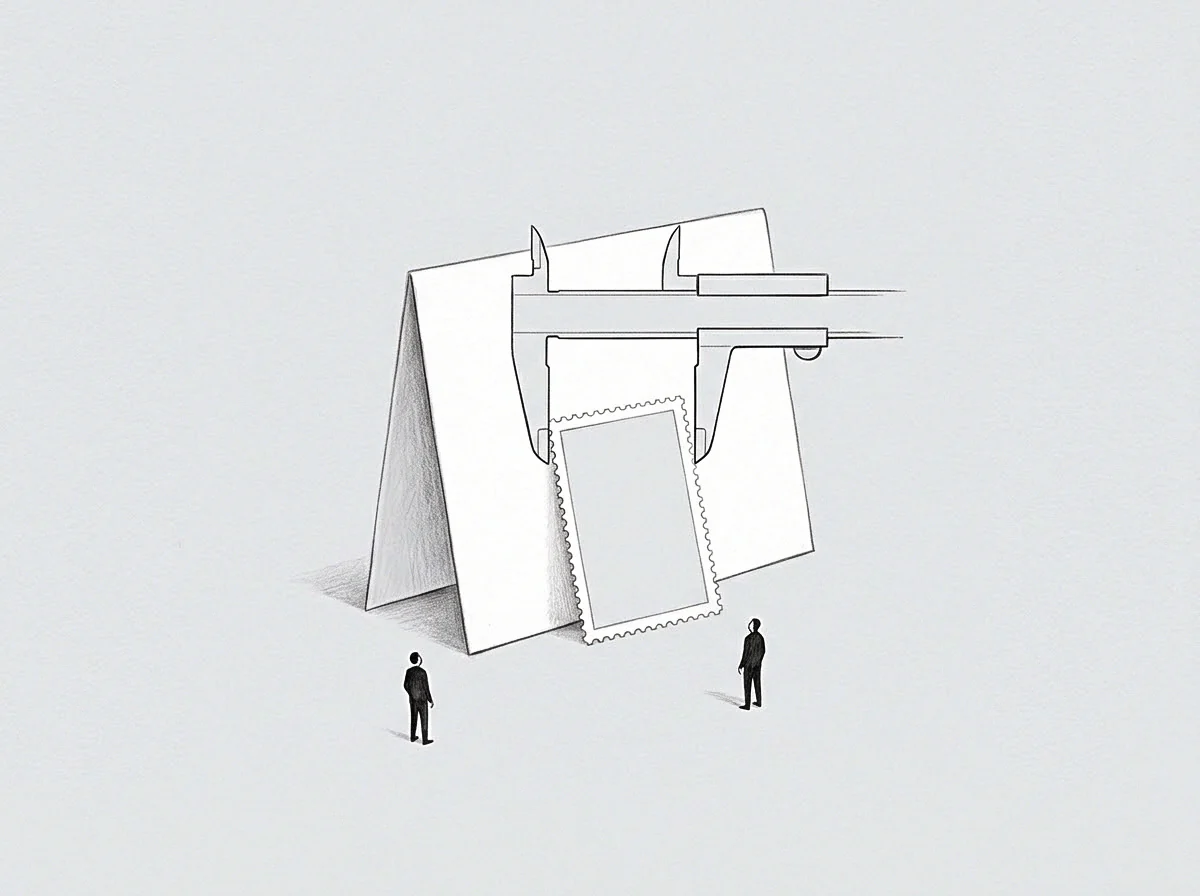
Loss
Measuring executive strategic capacity loss requires tracking the precise temporal and cognitive diversion caused by informal task absorption. Strategic capacity is not an abstract trait; it represents a quantifiable reserve of uncommitted focus and calendar hours required to evaluate market shifts, allocate financial capital, and design organizational governance structures. When informal tasks consume this reserve, strategic performance degrades along measurable parameters.
Frequent shifts in focus carry a heavy cognitive cost.
Research in cognitive ergonomics demonstrates that rapid context switching between operational troubleshooting and high-level strategic analysis creates substantial cognitive switching penalties. An executive who switches attention from an emergency customer service resolution to evaluating a corporate acquisition carries residual context from the operational issue into the strategic evaluation. The mental models required for rapid operational triage rely on tactical heuristics, whereas capital allocation demands systemic risk assessment and probabilistic evaluation.
When operational interventions consume more than twenty percent of a weekly schedule, strategic output drops below the threshold required for capital allocation decisions.
The cumulative impact of frequent context switching severely degrades decision quality, and the owner absorbs the cost.
Quantifying Attention Fragmentation
Attention fragmentation can be measured by logging the duration of uninterrupted time blocks available for strategic focus during standard operating hours. Strategic synthesis requires continuous focus periods exceeding ninety minutes to construct and evaluate multi-variable operational scenarios. Informal task absorption breaks executive calendars into isolated fifteen-minute and thirty-minute intervals.
Small tasks compound rapidly. An executive calendar dominated by short gaps between operational interruptions forces the brain into reactive processing modes. Over time, executive capacity for deep work diminishes, replaced by a preference for quick, shallow tasks that provide immediate closure.

Cognitive Switching Costs in Strategic Seating
The structural cost of informal task absorption extends directly into organizational decision-making pipelines. The following organizational failure modes illustrate how absorbed operational tasks dismantle strategic effectiveness:
- Residual Context Loss occurs when high-frequency micro decisions prevent deep focus on capital allocation. The cognitive strain of unresolved minor operational issues impairs analytical clarity during strategic reviews.
- Strategic Myopia emerges as operational urgency continuously preempts multi-year planning cycles. Executive attention locks onto immediate internal fixes while external competitive shifts pass unnoticed.
- Decision Fatigue Cascades reduce the analytical rigor applied to structural governance choices. Exhausted by continuous operational micro-decisions throughout the day, executives default to risk-averse or short-sighted strategic choices during late-day meetings.
Routine execution leaves little room for reflection.
The accumulation of these operational diversions creates a permanent drag on corporate growth. Strategic capacity needs uncommitted time.
Temporal Displacement of Long Range Planning
Temporal displacement represents the direct conversion of strategic working hours into operational maintenance hours. In an enterprise experiencing unmanaged informal task absorption, total calendar allocation dedicated to forward-looking strategic initiatives contracts predictably.
Unchecked scope expansion eventually breaks a role.
When temporal displacement reaches critical levels, the executive seat functions primarily as a high-cost operational clearinghouse. Strategic planning gets pushed to evenings and weekends, where cognitive fatigue further reduces the quality of long-range analysis. The organization loses its strategic orientation, navigating entirely by short-term operational reactions.
Unmeasured operational drift permanently reduces strategic enterprise value by locking key decision-makers into maintenance routines.
Audit
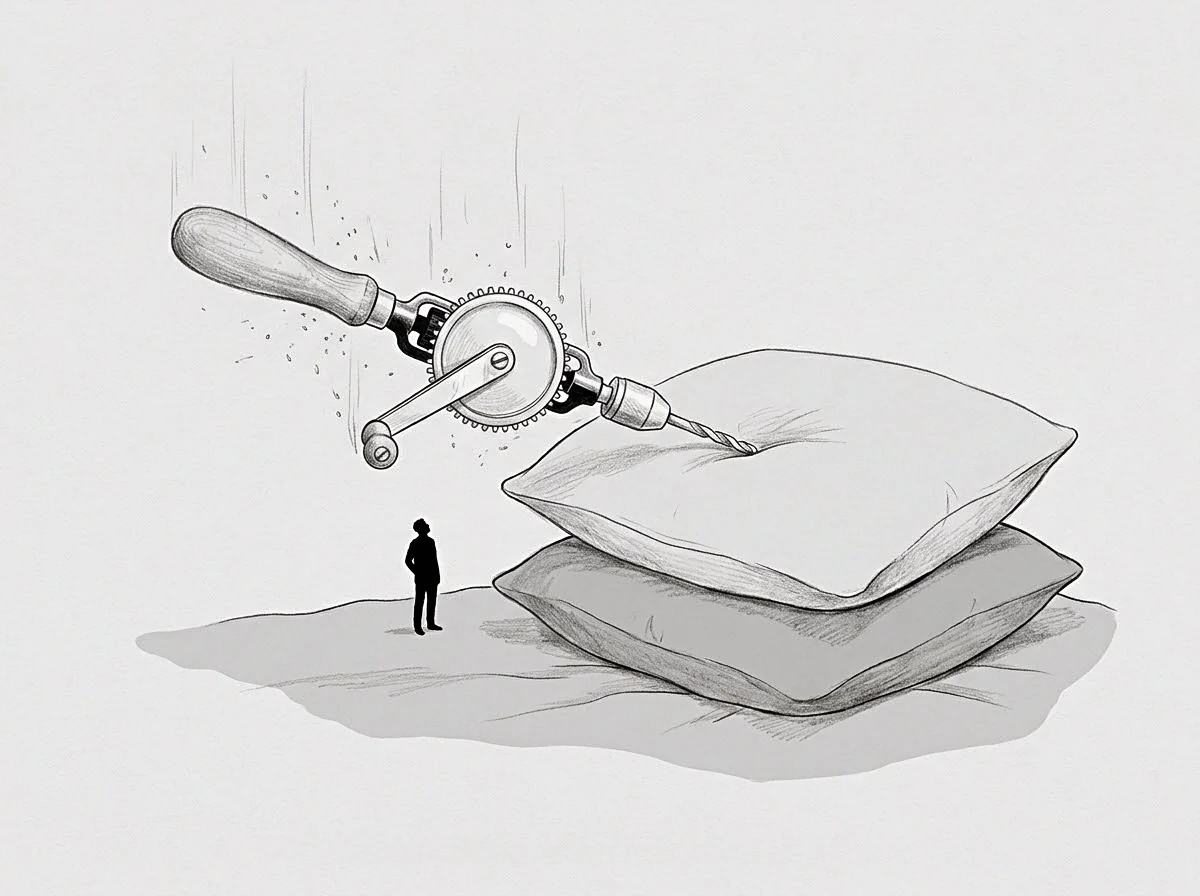
A structural audit of informal task absorption begins by decomposing the executive working week into explicit task classifications. Organizations often fail to catch capacity loss because they treat executive work as a monolithic block of management time. Breaking down daily activity reveals the specific mechanisms that allow operational tasks to migrate upward into executive positions.
Unassigned issues inevitably become executive labor.
The absorption process relies on ambiguity in operational handover protocols. When a project or process lacks an explicitly designated owner, the executive default setting absorbs the operational overhead. This implicit absorption mechanism protects short-term organizational performance while masking structural staffing gaps and procedural flaws.
Informal task absorption accelerates whenever role definitions lack explicit operational boundaries under rapid expansion.
Why Do Unassigned Operations Drift Upward?
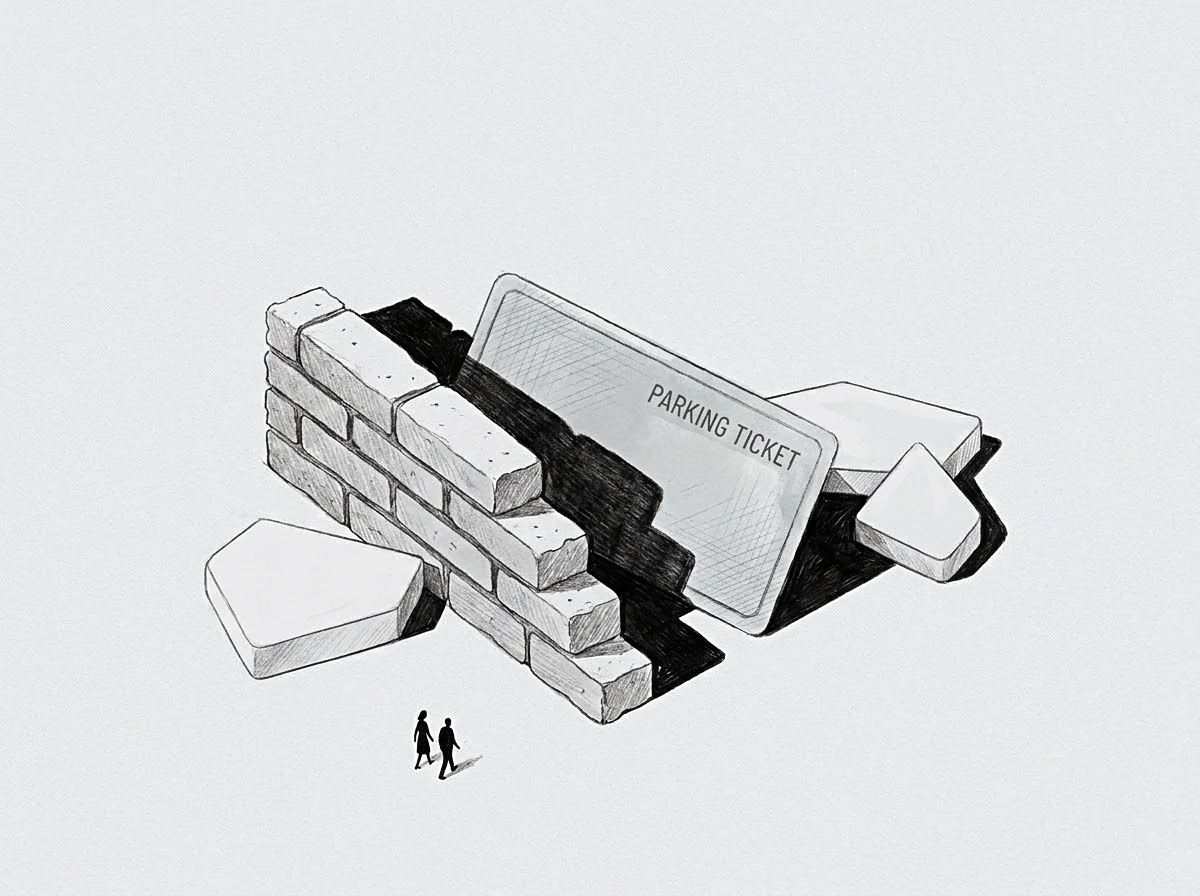
Unassigned tasks move upward through organizational hierarchies because upper tiers possess the authority to override systemic bottlenecks. Lower-tier functional managers encounter procedural or political resistance when attempting to resolve cross-departmental friction. Escalating the issue upward shifts the burden of cross-departmental negotiation onto executive authority.
Without an assigned owner, tasks default upward.
The executive, seeking rapid resolution, negotiates cross-departmental alignment directly. Repeated over multiple projects, this intervention establishes an operational pattern where cross-departmental execution depends permanently on executive orchestration. Functional tiers below learn to pass alignment challenges upward rather than developing peer-to-peer negotiation capabilities.

Structural Drivers of Informal Absorption
Informal task absorption is accelerated by key structural vulnerabilities in corporate design. Rapid organizational growth creates new operational functions before formal position descriptions exist. Executives fill these temporary operational voids personally during early growth phases.
As the business expands, executives often fail to formally divest these responsibilities, carrying legacy operational tasks into higher-scale operational regimes.
Role ambiguity further drives this structural leakage. When organizational charts define departmental outputs without specifying internal procedural handovers, cross-functional white space opens up. Operational tasks falling into this white space drift upward until they hit executive authority.
It remains uncertain whether automated tracking tools can isolate informal operational drift before executive capacity degrades beyond recovery.

Matrix
Evaluating the impact of different operational task categories on executive capacity requires a clear comparative framework. Not all absorbed tasks inflict identical strategic damage. Low-complexity administrative tasks consume time but place minor demands on high-level cognitive focus.
High-complexity operational interventions consume both calendar hours and deep analytical focus, causing severe disruption to strategic capacity.

Evaluating Task Types Against Seating Capacity
The table below compares four distinct categories of informally absorbed operational tasks based on their absorption drivers, tacit retention characteristics, and overall impact on executive strategic capacity.
| Task Category | Operational Driver | Tacit Absorption Rate | Capacity Impact |
|---|---|---|---|
| Vendor Resolution | Undefined procurement approval limits | Moderate recurring burden | Low context loss, high calendar fragmentation |
| Escalated Customer Service | Lack of frontline dispute authority | High emergency frequency | Severe context switching, elevated stress strain |
| Internal Process Patching | Incomplete cross-functional workflows | Continuous tacit accumulation | High strategic displacement, systemic dependency |
| Direct Technical Oversight | Inadequate specialized middle management | Severe personal locking | Total cognitive focus drain, severe planning loss |
Categorizing task absorption patterns allows organizations to locate specific structural leaks in their governance design. High-impact categories demand immediate formalization and delegation to restore executive capacity.
Setting a strict limit on executive operational involvement shifts exception handling back to designated functional managers.
Scope
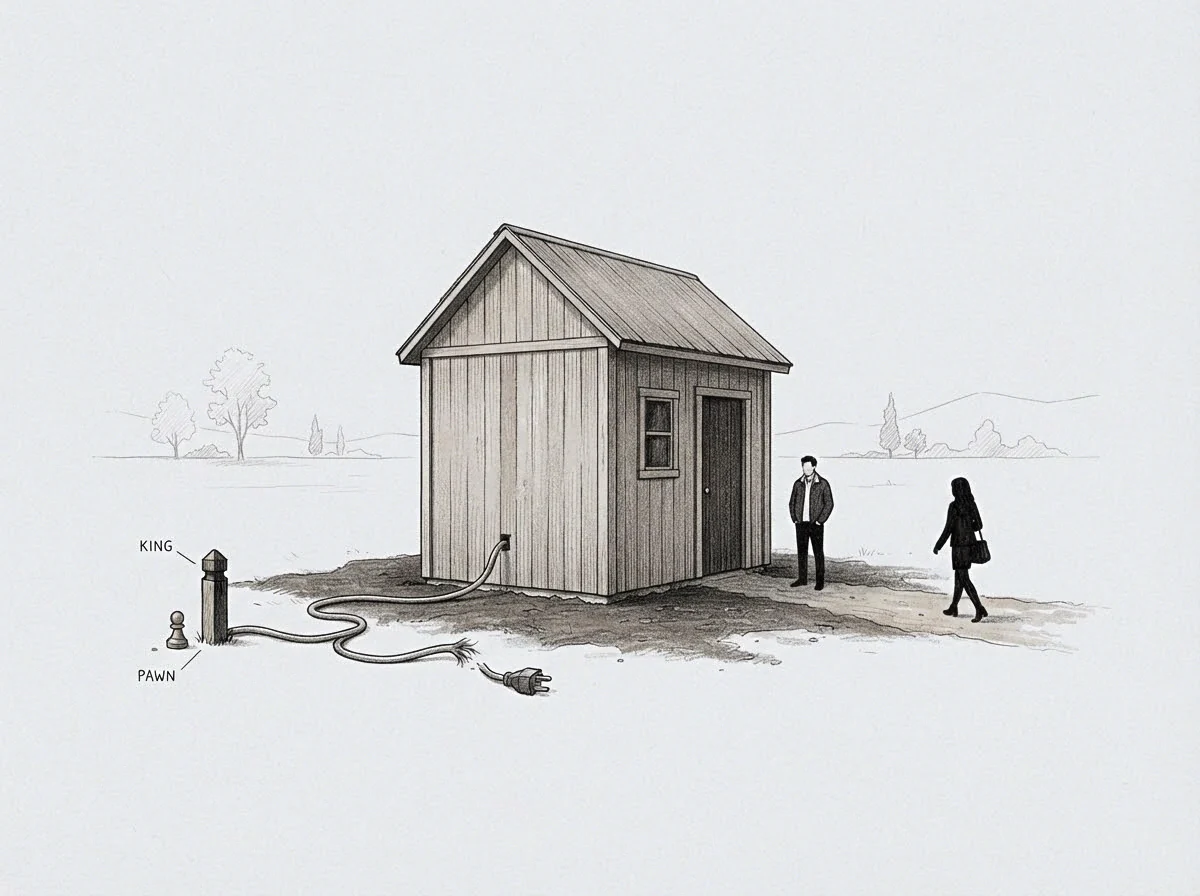
Restoring executive strategic capacity requires structural re-anchoring of the executive seat. Informal task absorption cannot be solved through individual time management discipline alone. It demands explicit organizational re-specification of operational boundaries, capacity budgeting, and formal task offloading protocols.
Effective positions rely on explicit boundaries.
Formalizing tacit operational responsibilities begins with a comprehensive audit of all unassigned tasks currently managed by the executive. Each identified activity must either be formally integrated into a lower-tier functional position description or explicitly eliminated from corporate operations. Leaving tasks in an unassigned state guarantees their eventual drift back into the executive seat.
A seat defined by explicit capacity boundaries protects strategic time from operational erosion.

Formalizing Tacit Operational Responsibilities
To eliminate informal task absorption permanently, executive leadership implements a structured sequence for task divestment and role formalization:
- Identify all recurring non-strategic activities performed during peak executive hours.
- Assign explicit functional ownership for each identified operational task.
- Enforce a strict buffer zone on the executive calendar for strategic analysis.
- Review quarterly absorption metrics to prevent silent re-accumulation.
This systematic formalization protects executive roles, keeping them operating within clear capacity limits so strategic focus remains intact.
Establishing Capacity Budgets
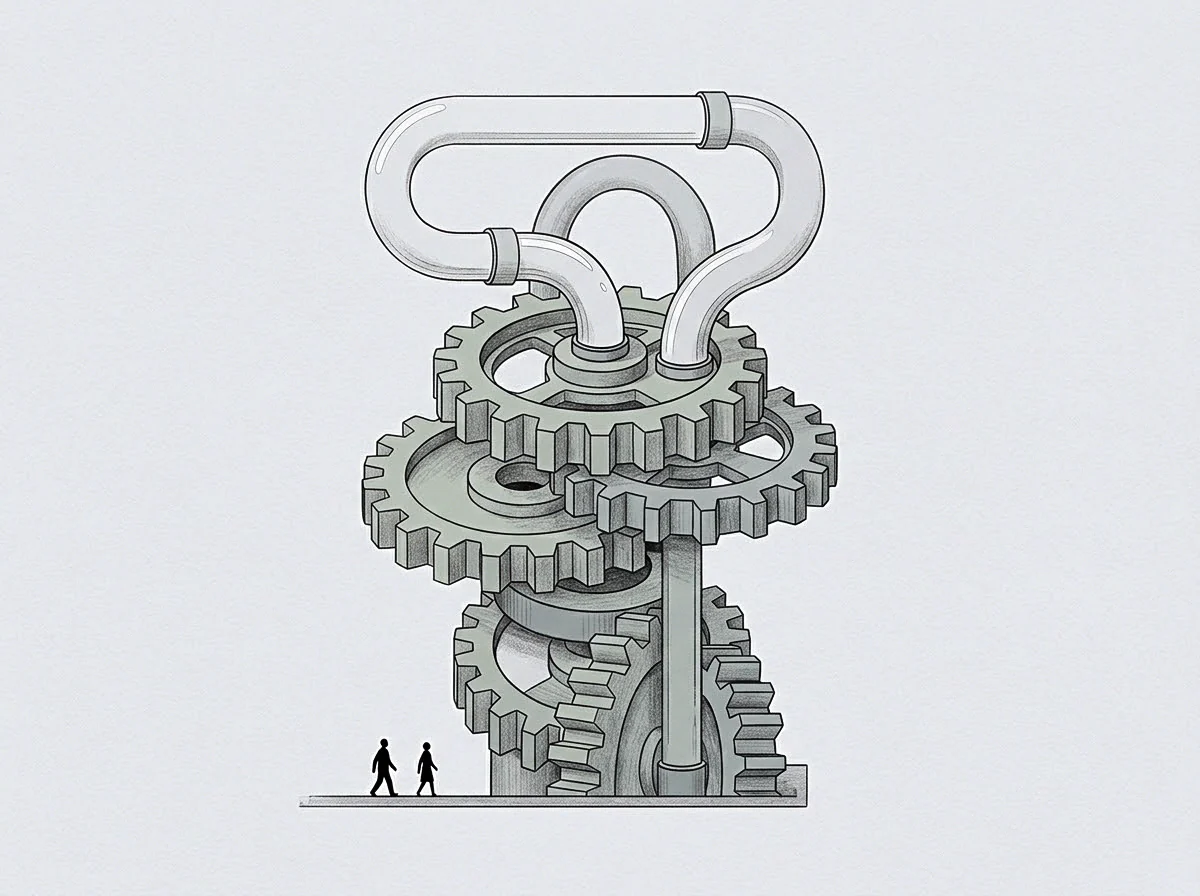
Capacity budgeting establishes strict operational boundaries for executive seats. Under a formal capacity budget, executive involvement in operational troubleshooting is capped at a predetermined percentage of weekly hours, typically ten percent. When operational escalations exceed this threshold, it triggers a mandatory organizational review to identify underlying process failures or staffing deficiencies.
By treating executive capacity as a finite corporate asset, the enterprise forces functional teams to build internal problem-solving capabilities. Operational friction gets resolved at the functional tier where it originates, preserving executive energy for capital allocation, long-term positioning, and structural enterprise design.
Re-establishing structural focus demands continuous audit of daily workflows. When an executive seat holds explicit boundaries, strategic capacity returns to baseline levels.