Meaning
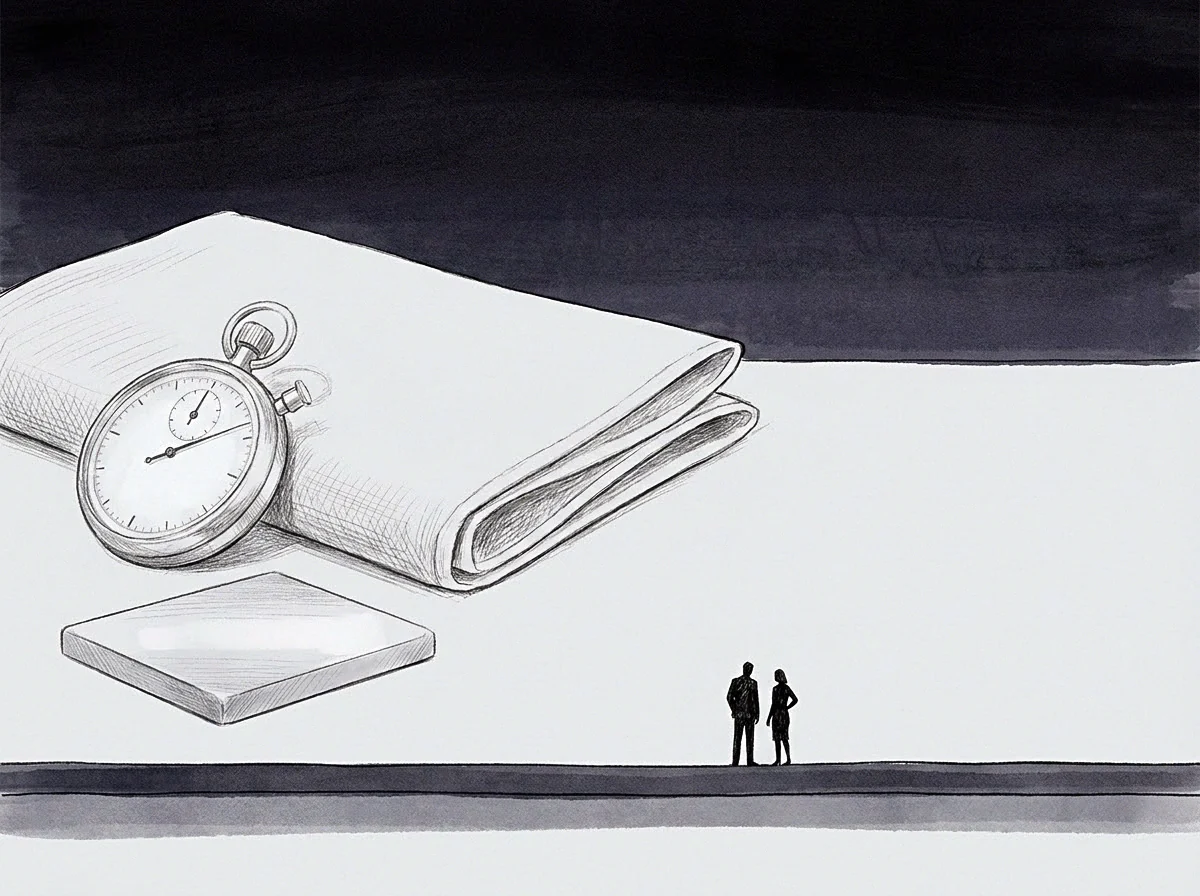
The cognitive debt that remains after switching between different types of work reduces the focus and efficiency available for the next activity. Task residue occurs when a person’s mind is still processing a previous meeting or problem while they are trying to start a new, unrelated task. This is a common issue for founders who move rapidly between technical work, management duties and strategic planning throughout the day.
Attention Retention
The more complex or emotional the first task was, the more of it sticks in the mind and blocks new information. This lingering focus means that a person is not fully present for their current work, leading to slower decisions and more errors. The cost is the mental capacity lost during every transition.
Context Switching
Constantly moving between different roles in the company drains the energy of the individual and lowers their total output. A person who tries to be both the chief executive and a lead developer will find themselves less effective in both seats. This friction is a major contributor to executive burnout.
Recovery Cost
Time spent clearing the mind and resetting focus is time that could have been used for productive work. Using techniques like scheduled breaks or ritual transitions can help reduce the impact of this residue. However, the best solution is to limit the number of different seats a person occupies in a single day.
Task residue acts as a hidden tax on the attention of every multi-role leader.