Meaning
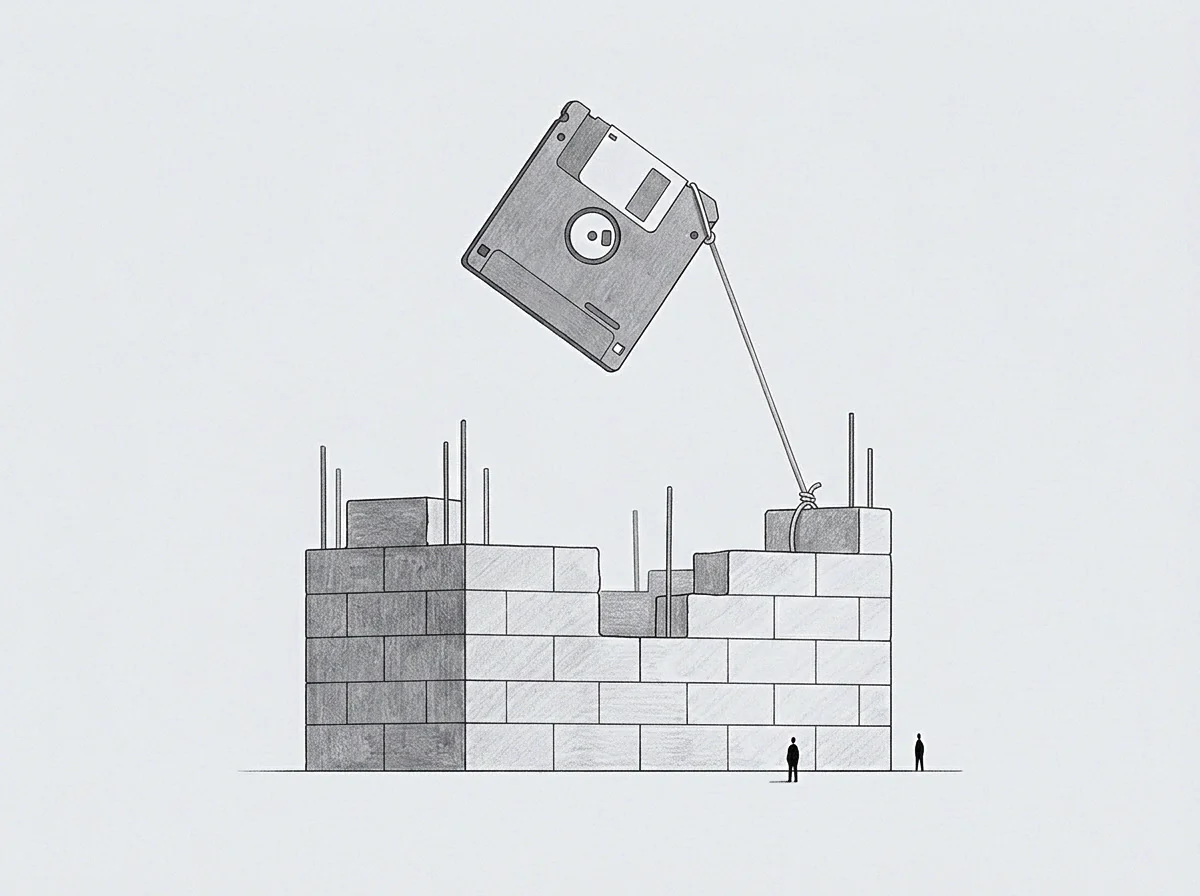
Direct hands-on engineering, coding, system testing or hardware assembly transforms theoretical system specifications into functional production assets. In early company stages, technical execution represents the foundational labor of building core intellectual property, designing software architectures, configuring cloud infrastructure and assembling initial physical prototypes. The discipline governs primary product development where tangible technical craftsmanship determines functional viability.
Boundaries narrow when technical execution yields to managerial coordination, market distribution, corporate governance and financial administration.
Craft Purity
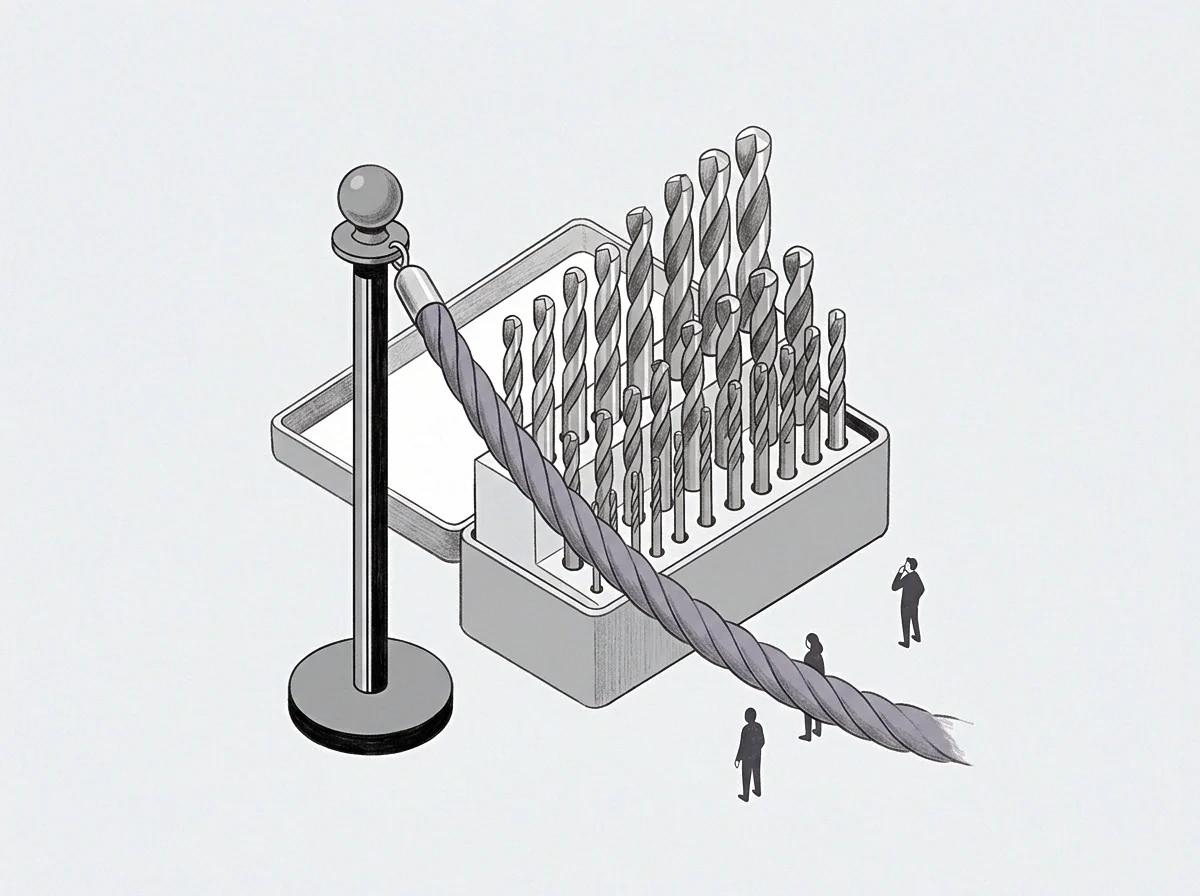
Sustained immersion in difficult technical challenges offers immediate creative validation and unclouded problem resolution. Engaging in technical execution allows an engineer to manipulate deterministic systems where input variables yield predictable machine responses. Technical problems follow logical rules, distinct from the ambiguities of customer negotiations, supplier delays, personnel conflicts or capital fundraising.
Focusing on clean code architectures, optimized database queries, automated unit tests and reliable hardware circuits provides clarity of accomplishment that managerial tasks rarely provide.
Operator Friction
Clinging to direct engineering tasks while leading an expanding corporate organization splits the founder’s working capacity and damages executive effectiveness. When a founder refuses to step away from technical execution, hours allocated to software development conflict directly with sales meetings, investor discussions, board sessions and hiring interviews. The cost appears as fragmented working attention, delayed product releases, unaddressed customer issues and stalled organizational expansion.
Founders who continue writing critical application code frequently turn into severe project bottlenecks, as their sporadic availability holds up whole engineering squads. Personal exhaustion deepens as technical work is pushed into night hours, draining the physical and cognitive energy needed for strategic executive leadership.
Executive Transition
Delegating technical execution to hired engineering staff requires the founder to evolve from primary builder to executive strategist. Relinquishing the keyboard demands trusting professional software architects, accepting differing coding paradigms, delegating technical oversight and evaluating success through team output over personal commits. Founders who successfully transition this boundary redefine their seat, reserving their scarce technical insight for high-level system architecture and executive roadmaps.
Releasing daily technical implementation secures the temporal bandwidth needed to guide enterprise growth, recruit top engineering talent, secure capital and oversee organizational expansion.