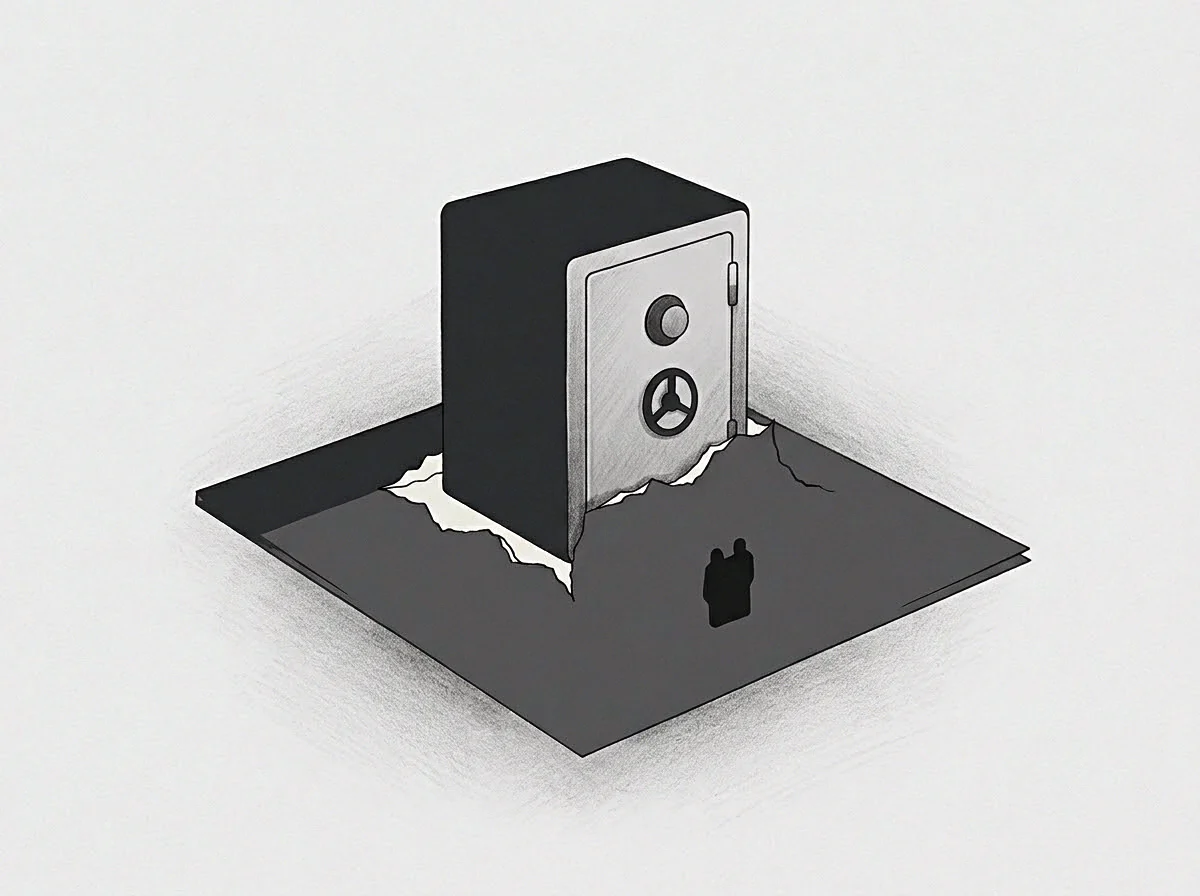
Meaning
Capital liabilities represent the volume of shares allocated to individuals that remain subject to future performance or service conditions. An unearned equity overhang occurs when a founder holds significant stock that has not yet vested at the time of their transition to a different seat. The situation limits the pool of equity available to recruit new management without further diluting existing shareholders.
It ceases to be an overhang once the shares have either vested or been returned to the company treasury.
Share Liability
The presence of these unvested shares creates a financial drag on the cap table that complicates new investment rounds. New investors may require a recapitalization to free up space for incoming executive talent.
Vesting Pressure
Dealing with an unearned equity overhang requires a negotiation between the board and the departing founder regarding the acceleration or forfeiture of the remaining shares. The negotiation centers on the value the founder will continue to provide from a non-operational position. If the founder retains too much unvested stock while working fewer hours, the incoming chief executive may feel the incentive structure is skewed.
The resulting tension costs the organization in both morale and strategic focus.
Liquidity Drag
The cost to the person in the seat is the inability to liquidate their position until the original vesting clock runs out.