Meaning
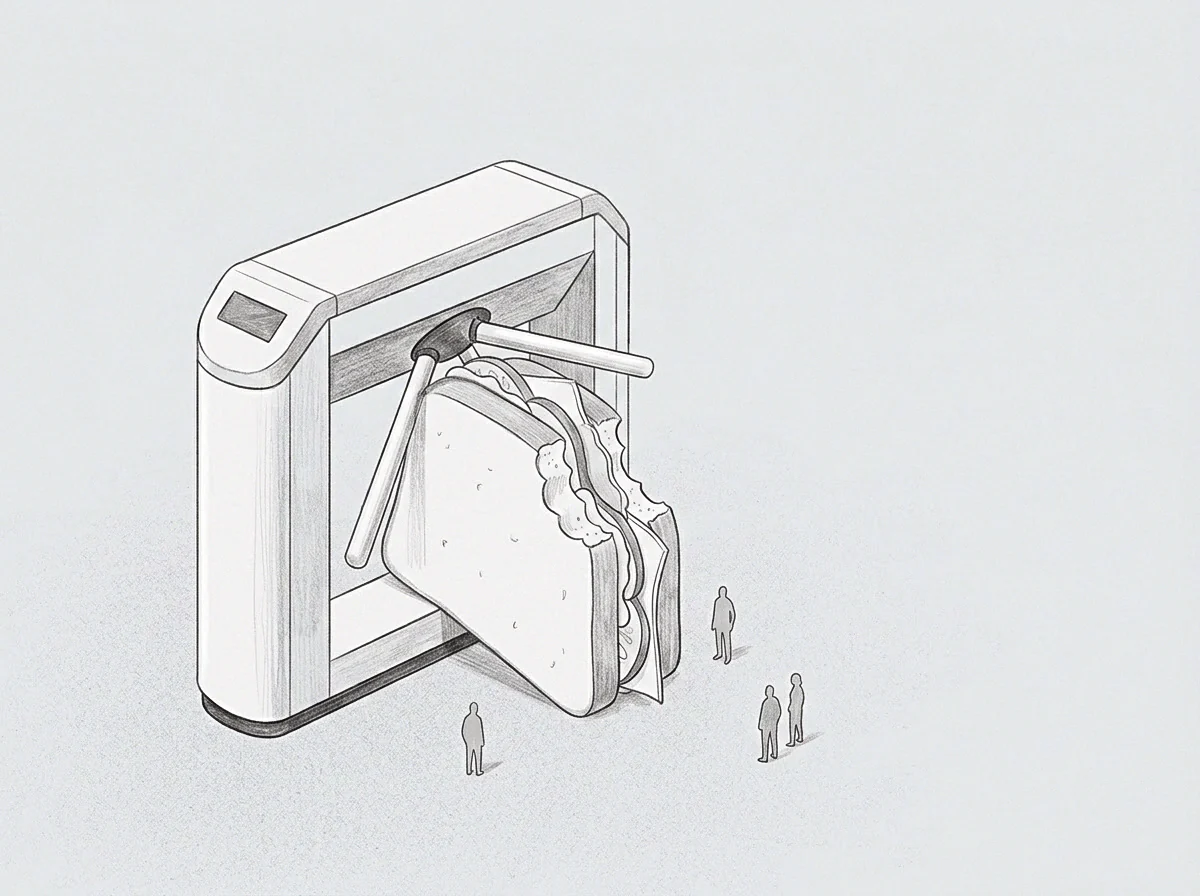
Statutory trust obligations arise when an organization retains portions of employee compensation for remittance to tax authorities, creating unremitted payroll withholdings that legally belong to the government rather than the operating entity. Tax jurisdictions treat these withheld funds as held in trust, meaning the employer acts merely as a collection agent rather than an owner of the cash. Diverting these balances to meet immediate vendor invoices or payroll shortfalls constitutes a severe statutory violation with immediate personal liability attaching to the director or founder who authorized the transfer.
Statutory Liability
Operational distress frequently tempts leadership to redirect trust funds toward emergency vendor payments, assuming the deficit will reverse before the next reporting cycle. Tax agencies pierce corporate shielding rapidly when trust liabilities accumulate, transferring the principal debt along with escalating interest directly to individual officers. This exposure strips away the personal asset protection that founders typically rely upon, transforming a corporate insolvency into a personal bankruptcy risk.
Oversight Burden
Monitoring compliance requires continuous reconciliation between payroll ledger entries and actual cash transfers to government accounts, consuming administrative hours that founders often underestimate. Automated payroll processors reduce calculation errors, yet manual approvals remain necessary when cash flow constraints threaten scheduled remittances. The mental capacity required to maintain strict separation between operating capital and trust liabilities drains executive attention away from revenue generation.
Trust Boundary
Complete compliance ends only when the confirmation receipt from the taxing authority matches the exact sum deducted from employee paystubs. Deferred payment arrangements negotiated for corporate income taxes never extend to payroll withholdings, leaving trust obligations subject to immediate enforcement regardless of broader financial restructuring efforts. Directors carry this legal exposure long after leaving the operating seat, as statutory liability persists through the statute of limitations governing tax fraud.