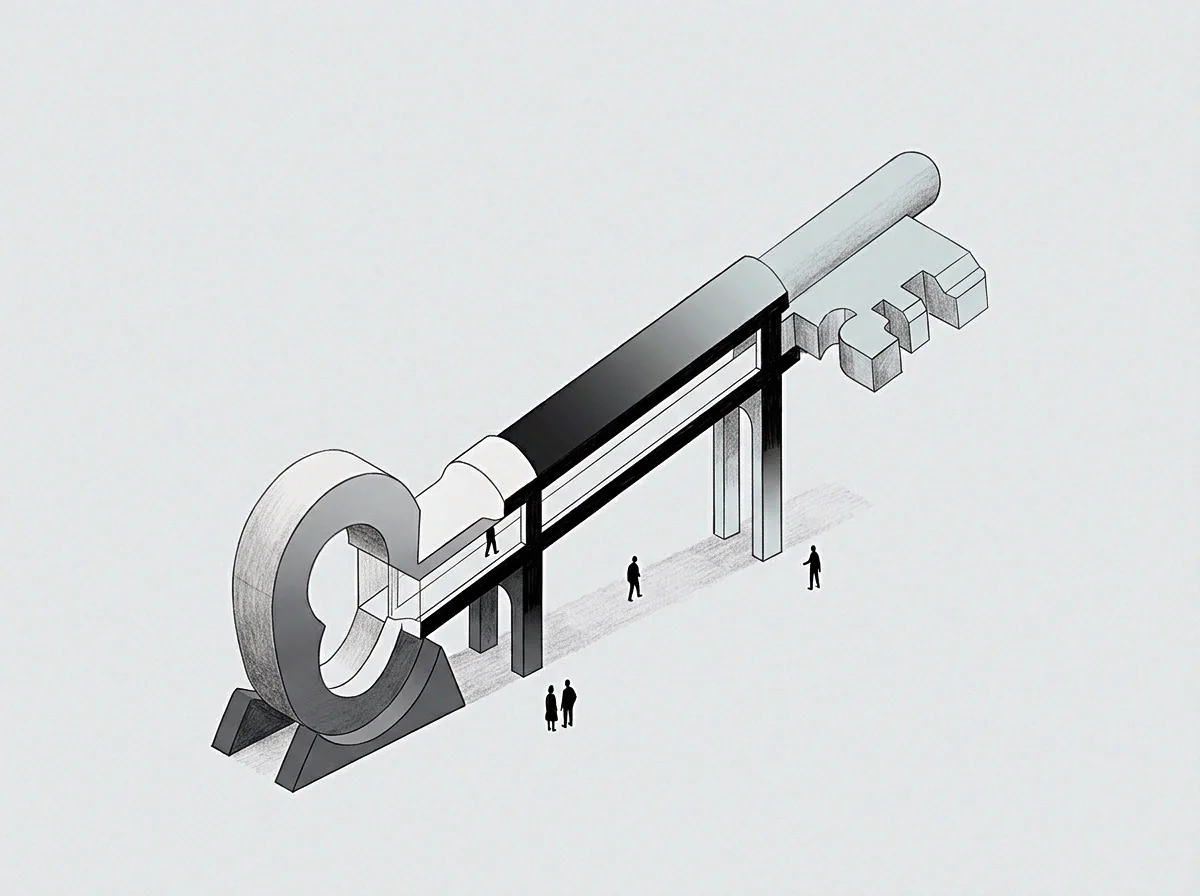
Meaning
Offboarding practices in supply chain management terminate or formalize legacy supplier contracts as an enterprise scales or transitions ownership. Executing vendor disengagement removes legacy supplier relationships personally guaranteed or informally arranged by founding executives. This operational restructuring establishes corporate procurement governance and eliminates dependency on founder personal networks.
The disengagement process concludes when legacy supplier contracts terminate or transfer fully to corporate procurement frameworks.
Relationship Exit
Systematic contract reviews replace informal founder deals with corporate vendor agreements. During vendor disengagement, legacy suppliers built on founder friendships undergo rate negotiation or contract termination. Personal payment guarantees given by founders get cancelled or replaced by corporate credit lines.
Corporate procurement protocols take precedence over historical vendor loyalty.
Transfer Friction
Disentangling personal supplier commitments generates operational friction and demands executive negotiation capacity. Experiencing vendor disengagement obliges founders to deliver difficult contract termination notices to longstanding partners. Financial exposure remains active if personal guarantees survive initial contract cancellations.
Time gets absorbed reconciling historical accounts and transitioning operational contacts to purchasing managers.
Contractual Termination
Formal cancellation notices and transition timelines define the end of legacy vendor commitments. Standard notice periods permit smooth vendor replacement without interrupting ongoing production schedules. Dispute mechanisms within supply agreements govern financial settlements for early contract termination.