Meaning
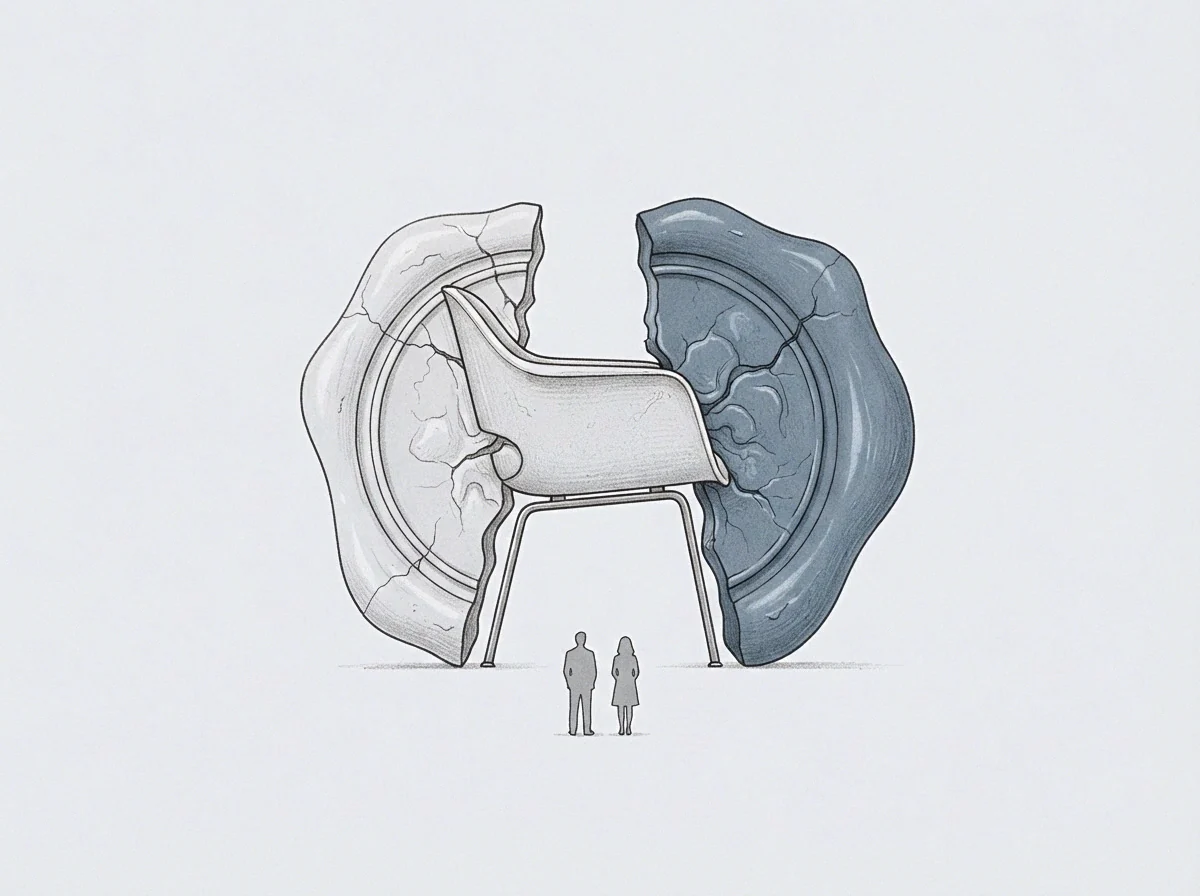
Organizational tension resulting from the transition to a one share one vote structure after a period of founder control. The emergence of voting parity friction occurs when the removal of super voting shares forces the original leaders to share power with institutional investors on an equal basis. This shift is often a prerequisite for a public listing or a late stage funding round.
The friction is resolved once the board adapts to a governance model based on majority consensus rather than executive mandate.
Influence Compression
Reduction of voting power forces the original founders to rely on persuasion rather than structural dominance. When voting parity friction occurs, the management team must defend every strategic initiative to a broader and more skeptical audience. This change alters the social dynamic of the board room and the executive suite.
Shareholder Resistance
Institutional investors often push for the removal of dual class shares to align voting power with economic risk. Managing voting parity friction involves a careful balance between preserving the founder’s long term vision and satisfying the demands of new public owners. The cost is found in the hours spent on investor outreach and governance roadshows.
These activities consume the executive capacity that was previously used for internal innovation or operational leadership.
Structural Result
Equalized voting power creates a more traditional corporate oversight model. Shareholders gain a proportional voice when the company resolves voting parity friction.