Meaning
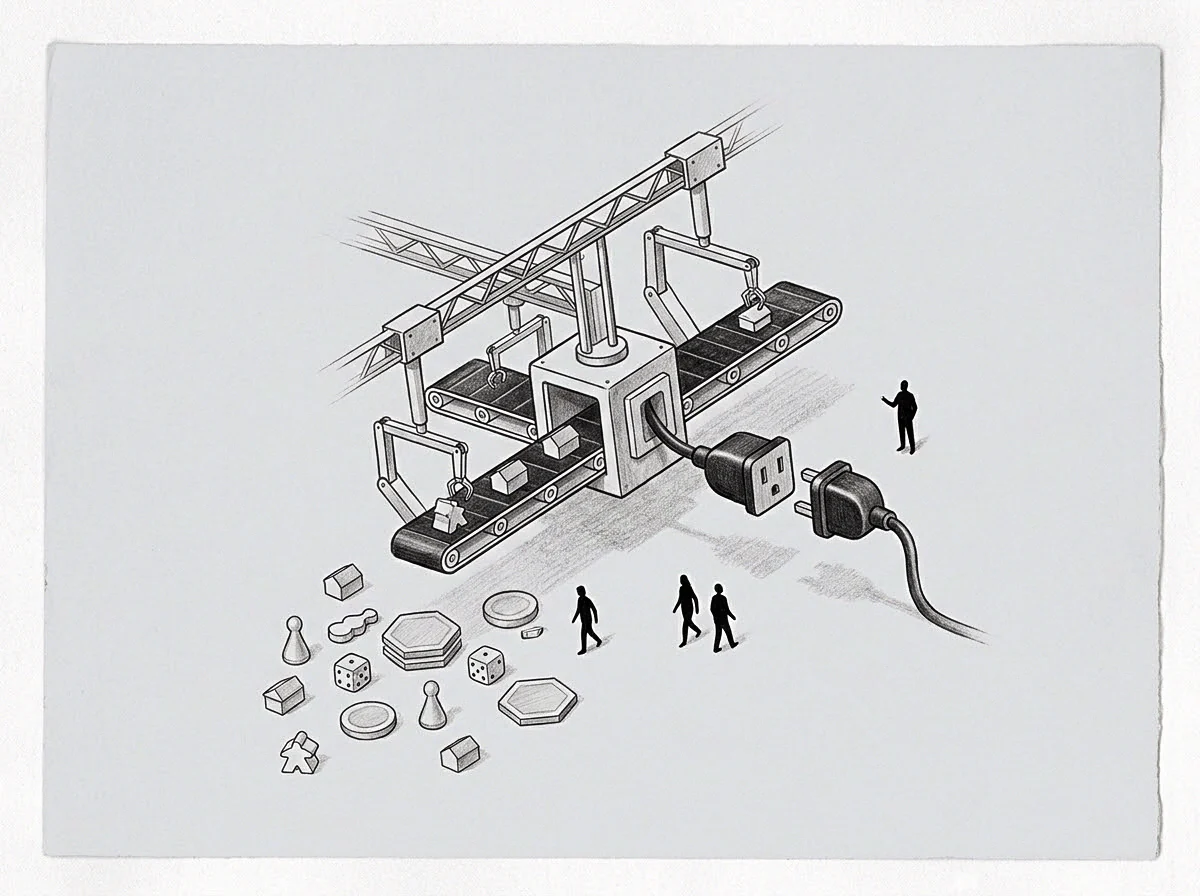
Maximum number of hours a person can work in a seven day period before their effectiveness significantly declines. The weekly hour ceiling is a biological and cognitive limit that varies between individuals but remains a fixed constraint on total output. Exceeding this boundary leads to a measurable decline in performance.
Diminishing Return
Adding more hours to a schedule does not produce a linear increase in the amount of work completed. Once the weekly hour ceiling is reached, each additional hour of effort results in less value and higher mental fatigue. This effect is particularly damaging for those in high level seats where the cost of a single mistake can be extreme.
Sustaining Requirement
Maintaining a high level of performance over the long term requires a period of rest that resets the cognitive capacity of the mind. If the weekly hour ceiling is consistently ignored, the person enters a state of chronic exhaustion that cannot be fixed by a single day off. This exhaustion eventually forces a reduction in the intensity of the work or a complete departure from the role.
Because the nervous system requires sleep and detachment to process the events of the week, the total capacity of the person is finite.
Recognizing Capacity
Understanding the limits of the human engine is essential for building a sustainable business structure. When the requirements of a seat regularly exceed the weekly hour ceiling, it is a clear indicator that the role must be split or delegated. A firm that relies on its leaders to work beyond this point is fundamentally fragile and at risk of sudden failure.