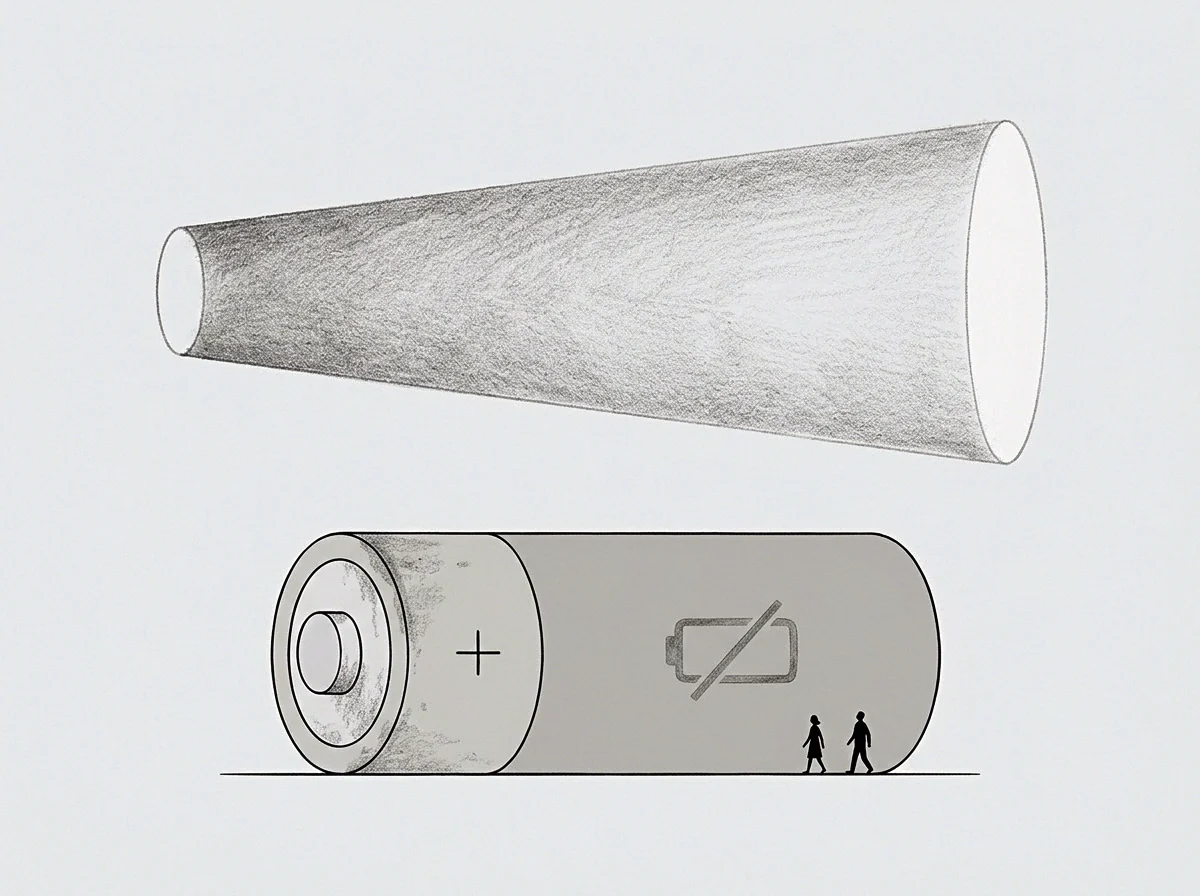
Meaning
Quantification of the total volume of goods or services completed by a system over a fixed period defines this performance measure. Within the context of factory operations, production output represents the physical count of units manufactured before quality verification or waste deduction occurs. This calculation establishes the baseline for efficiency ratios and capacity planning during the transition from early development to scale.
Volume Variance
Frequent monitoring of production output allows the operator to identify shifts in hardware performance or supply chain synchronization. An unexpected decline in this metric indicates a potential bottleneck at a specific station or a disruption in raw material arrivals. Founders who oversee these systems identify these deviations to adjust labor allocation and machine maintenance cycles.
Capital Exposure
Financial commitments remain tied to production output because every unit carries a specific cost in electricity, machine wear, and operator hours. Higher throughput reduces the overhead attributed to each unit by spreading fixed costs across a larger base. Maximizing this figure requires precision in scheduling to ensure equipment remains active rather than idle.
Systemic Constraint
Bottleneck analysis focuses on the slowest segment of the workflow as the final limit on total production output. Increasing the capacity of non-critical components yields no gains in total volume while creating unnecessary inventory build-up. Throughput serves as the absolute constraint on revenue generation for any entity reliant on physical supply.