Meaning
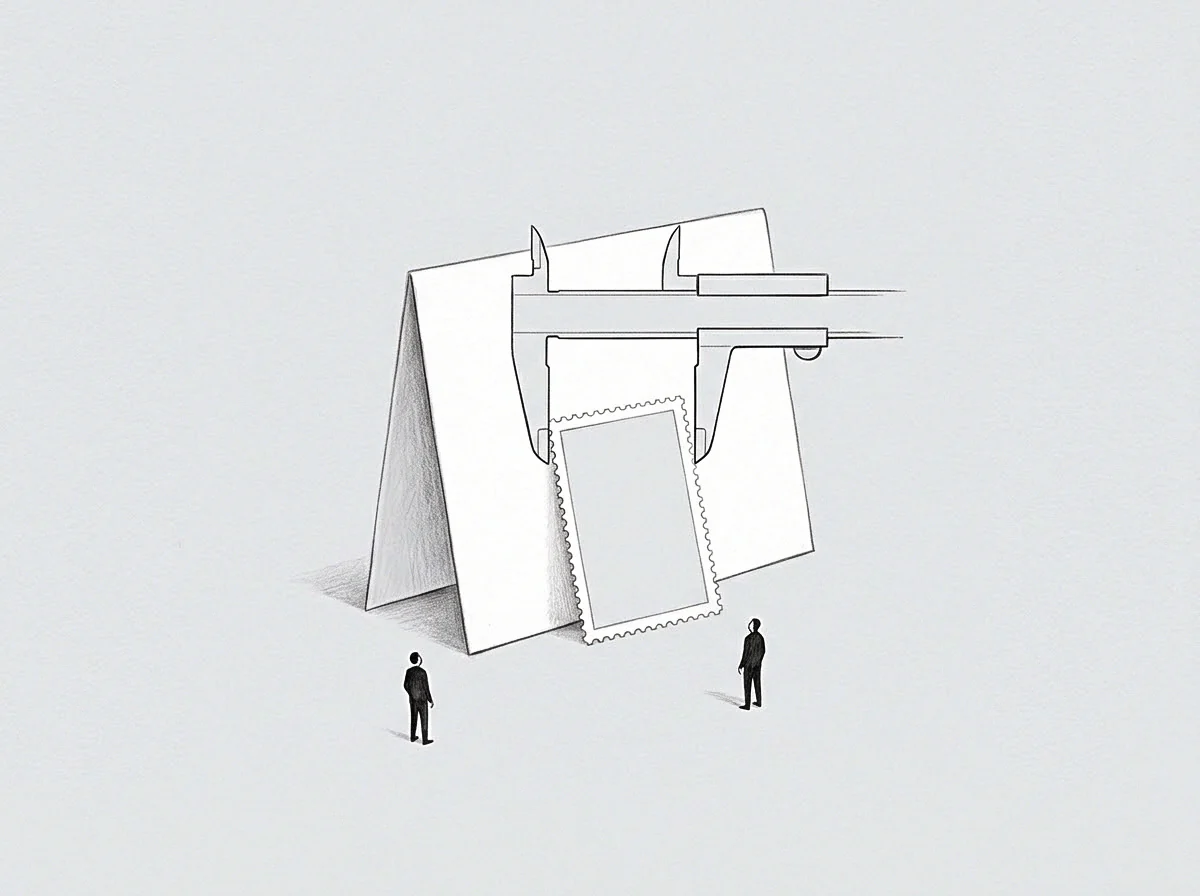
A systemic resistance in operational processes occurs when poorly integrated tools or legacy procedures delay the completion of daily tasks. The accumulation of workflow friction often increases after a leadership change if old decision-making habits persist. This drag reduces the speed of execution and frustrates the operational team.
Efficiency Loss
Efficiency loss is the immediate consequence of unoptimized procedures. When employees encounter high levels of workflow friction, they spend more time managing administrative work than creating product value. This inefficiency is a major source of hidden cost for the enterprise.
Successor Burden
Successor burden grows when the new chief executive must spend their first months resolving internal process blocks instead of pursuing growth. Persistent workflow friction can demoralize the team and make the successor’s job much harder. By resolving these blocks, the firm can ensure a smoother handover of operational duties.
Process Optimization
Process optimization requires a comprehensive audit of existing tools and approval chains. Removing obsolete steps helps the organization reduce workflow friction and speed up project delivery. This improvement frees up operational capacity and allows teams to focus on customer satisfaction.
The business becomes more resilient as a result. In addition, the elimination of these roadblocks reduces the need for constant oversight by the founder, which reinforces the new governance boundaries.