Meaning
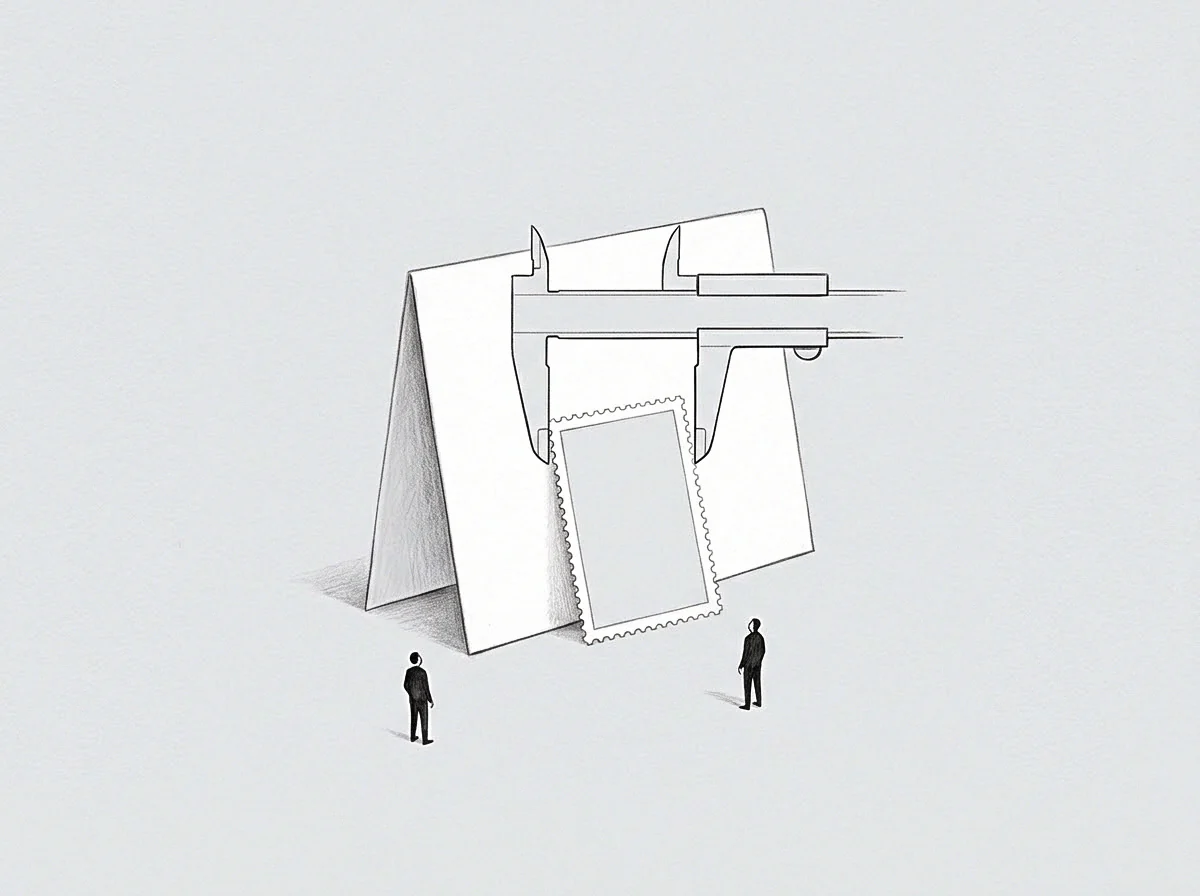
An operational vulnerability refers to the systematic exhaustion of a leader’s time and energy due to unresolved friction in organizational processes. The experience of capacity drainage is common among founders who attempt to manage operational details while executing a transition to a strategic board role. This depletion of attention reduces the executive’s ability to govern effectively.
Attention Loss
Attention loss occurs when minor administrative issues demand immediate intervention. This continuous distraction leads to capacity drainage that prevents the founder from preparing for board meetings. Over time, the executive’s capacity to analyze long-term industry trends is eroded by daily firefights.
Performance Impact
Performance impact is observable as delayed strategic decisions and a general slowdown in corporate growth. When capacity drainage remains unchecked, the founder may experience a decline in decision quality. This decline affects both governance oversight and the execution of the succession plan.
Resource Reclamation
Resource reclamation requires a deliberate restructuring of the executive’s daily schedule and the delegation of operational duties. By transferring line-management responsibilities to a capable team, the founder can stop the capacity drainage. This boundary setting restores the mental energy needed for high-level board oversight.
It also allows the successor to take full ownership of operational outcomes. The organization can then scale its operations without being limited by the personal capacity of a single leader.