
Calculating Structural Delay In Dual Routing Systems
Structural delay measures the operational latency created when information navigates parallel explicit and legacy decision pathways during leadership succession.
Channel
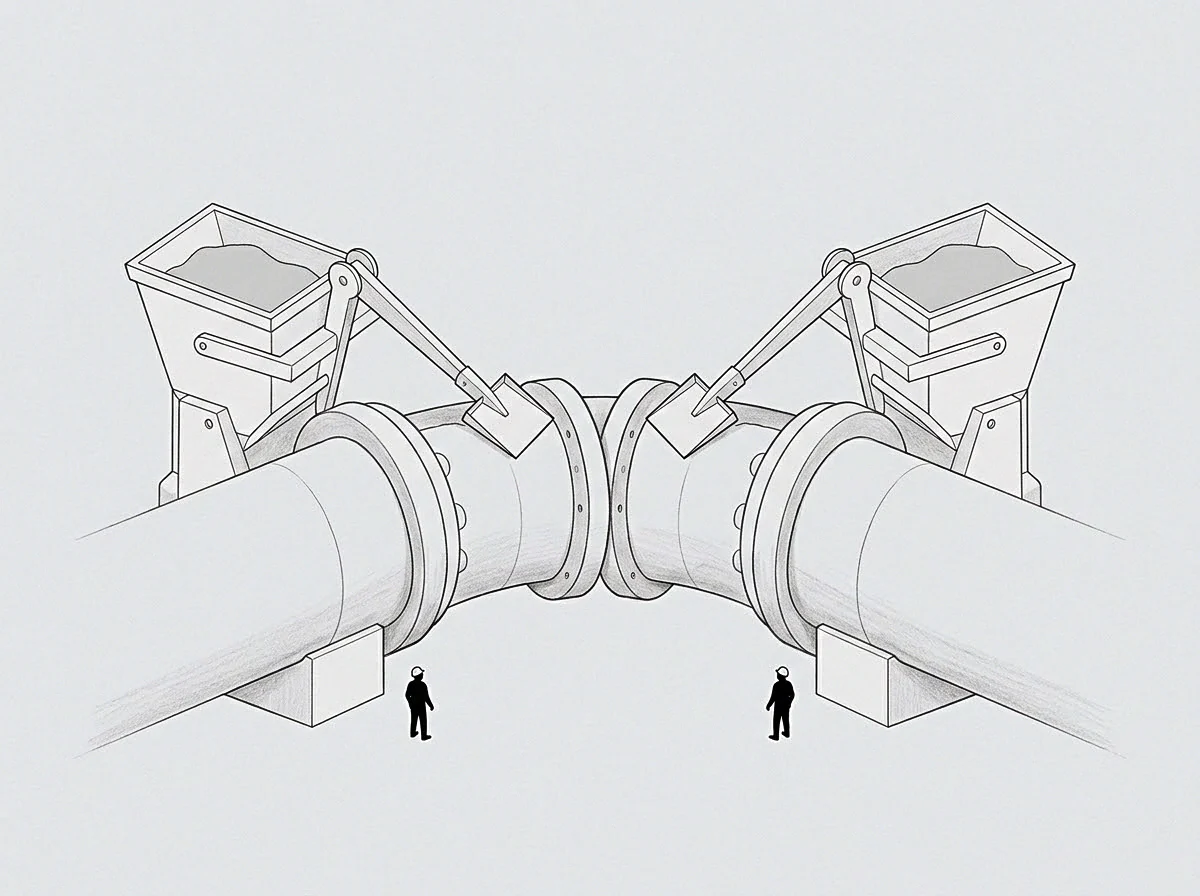
Operational latency arises from simple processing load inside a single pipeline. Structural delay occurs when an organization maintains two active routing channels for the same decision, forcing messages to travel along parallel paths before execution can proceed. A request enters the formal operational path while simultaneously traversing an informal, legacy route established by a former seat holder.
The system does not suffer from slow processing. The system suffers from dual topology.
In owner-managed transitions, dual routing emerges whenever a successor assumes the formal operational seat while the predecessor retains uncodified governance authority. Operational latency creates temporary friction. Structural delay alters the execution sequence.
Information moving through the formal pipeline holds explicit authority, yet the organization waits for validation from the tacit legacy pipeline. This synchronization step creates measurable operational backlog.

Primary Explicit Route and Legacy Tacit Route Parameters
Every dual routing system operates across two distinct pathways with different validation mechanics, transfer protocols, and failure modes. Measuring structural delay requires identifying where these two channels split and where their signals must reconcile before an operational decision takes effect.
| Routing Dimension | Primary Explicit Path | Legacy Tacit Path |
|---|---|---|
| Authorization source | Codified job description and board delegation | Historical precedent and unwritten relational authority |
| Signal velocity | Predictable schedule based on standard review cycles | Variable speed dependent on informal access to the predecessor |
| Verification burden | Low individual verification per documented protocol | High verification overhead caused by ambiguous sign-off rules |
| Failure state under stress | Formal stall due to missing documentation | Covert override that bypasses operational seats entirely |
When an organization maintains both channels, employees route routine decisions through both pipelines to minimize personal risk. The formal path receives the written request. The informal path receives a verbal check.
The total elapsed time before action equals the duration of the slower path plus the time required to reconcile conflicting instructions.
The structural delay of a dual routing system equals the latency of the slower path plus the reconciliation overhead required to align conflicting signals.
This structural friction increases rapidly as team size expands. In small operations, parallel verbal checks take minutes. In larger structures, informal verification loops stretch across days, creating persistent operational queues across every department dependent on dual sign-offs.
The explicit channel fails silently.
The primary route stays empty.
A transition agreement containing a clause that leaves board approval undefined for operational expenditure above a fixed threshold converts single-path routing into a dual system, doubling total verification hours across the executive seat.
Relay
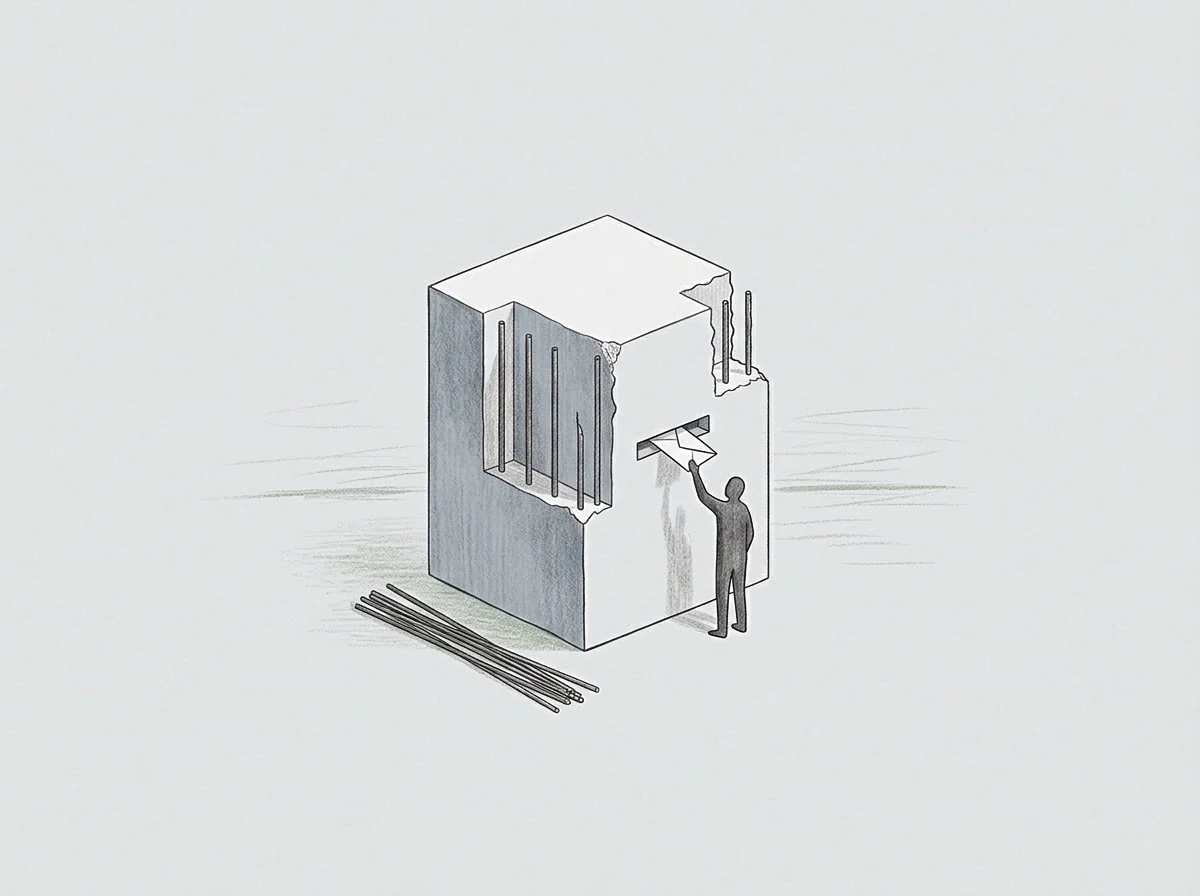
Signal propagation across split governance seats introduces continuous queue buildup. When an operational seat attempts to execute strategy without complete control over the authorization channel, every outgoing decision generates an internal verification signal. That verification signal loops backward to confirm whether the legacy seat holder agrees with the choice.
Information loops back to the founder.
The successor pays in operational capacity.
This verification loop acts as an invisible brake on routine operations. Managers operating under a split authority structure learn that formal approval is insufficient. They pause execution until the unwritten channel yields a matching signal.
The resulting queue is not caused by individual hesitation. The queue is the rational response to an organization that penalizes decisions made on single-channel authorization.

How Latency Accumulates in Verification Loops?
Latency accumulates through repeated round-trip verification cycles between the formal operator and the informal authority holder. Each cycle requires three distinct phases: signal generation, parallel transmission, and state reconciliation.
In the first phase, the new seat holder issues an operational directive. In the second phase, lower-level managers cross-reference the directive against historical preferences or seek direct confirmation from the predecessor. In the third phase, discrepancies between the two signals create operational drift, forcing the new seat holder to suspend execution while resolving conflicting instructions.
Unresolved authority boundaries between parallel seats transform ordinary execution into continuous verification cycles.
The accumulation of structural delay follows predictable patterns across specific operational domains during handovers:
- Resource allocation queues form when financial authorization requires formal budget approval alongside informal predecessor consensus, delaying capital deployment.
- Role ambiguity stalls happen when staff receive conflicting instructions from explicit managers and legacy authority holders, freezing project timelines.
- Verification overload occurs when the operational successor spends more weekly hours reconciling past directives than executing current strategy.
- Protocol divergence emerges when tacit operational habits overrule codified operating procedures, rendering documented workflows ineffective.
Legacy routes hold tacit authority.
The formal path stalls.
When an organization permits double authorization channels to persist for six months post-handover, the financial cost lands as reduced operational throughput, eroded successor authority, and premature departure of key operational talent.

Loop
Take a technical enterprise generating twelve million in annual revenue during a planned twelve-month transition. Assume the former owner vacates the chief executive seat to assume a non-executive board chair position, while a newly appointed managing director takes over daily execution. The founder retains forty percent equity and maintains direct communication channels with senior engineering leads.
During the first quarter, the managing director initiates a restructuring of the software release pipeline. The explicit path dictates that department heads report directly to the managing director, submitting technical proposals through a newly established management committee. Concurrently, senior engineers maintain an informal messaging group with the board chair, seeking verbal validation on architectural decisions before presenting proposals to the formal committee.
Decision speed drops immediately.
Reconciliation consumes the weekly schedule.
Measuring Queue Buildup in Parallel Execution Lines
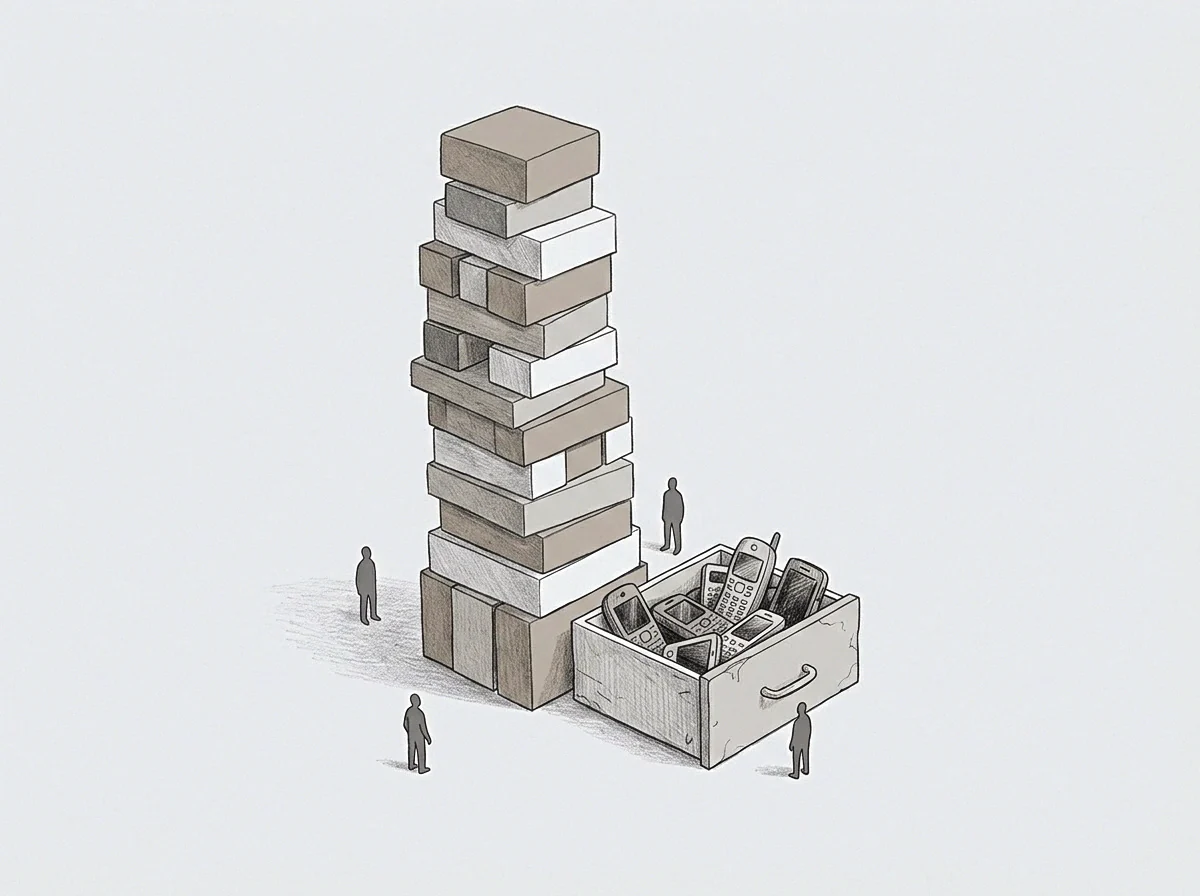
To quantify the delay inside this dual topology, measure the elapsed time from initial proposal creation to final code deployment across twenty consecutive software releases. In a single-path system, this duration averages four business days. Under the dual system observed in this enterprise, average deployment duration expands to fourteen business days.
Ten business days of structural delay enter the system through three distinct reconciliation points:
First, engineering leads spend two days preparing formal committee documentation while waiting for informal feedback from the board chair. Second, when the board chair suggests minor modifications offline, engineers spend three days revising the proposal prior to its official submission, ensuring alignment with legacy architecture. Third, the managing director discovers the offline modifications during committee review, triggering five days of executive alignment discussions to resolve strategic alignment between board governance and daily execution.
A handover schedule that permits dual authorization channels increases decision latency by the exact duration of the offline reconciliation cycle.
The managing director dedicates fifteen hours per week to clearing operational queues created by offline validation loops. This capacity drain reduces executive focus on market expansion, directly inflating administrative overhead while suppressing organizational agility.
Staff members recognize the dual topology and exploit it. When the managing director rejects a project proposal, the project lead re-routes the concept through the board chair via informal channels. If the board chair expresses interest, the proposal re-enters the formal pipeline with implicit legacy backing, forcing the managing director to re-evaluate a previously settled decision.
Queue length grows exponentially.
Parallel channels double the verification time.
Organizational alignment remains unstable as long as parallel decision paths offer conflicting routes to project authorization.
Divergence
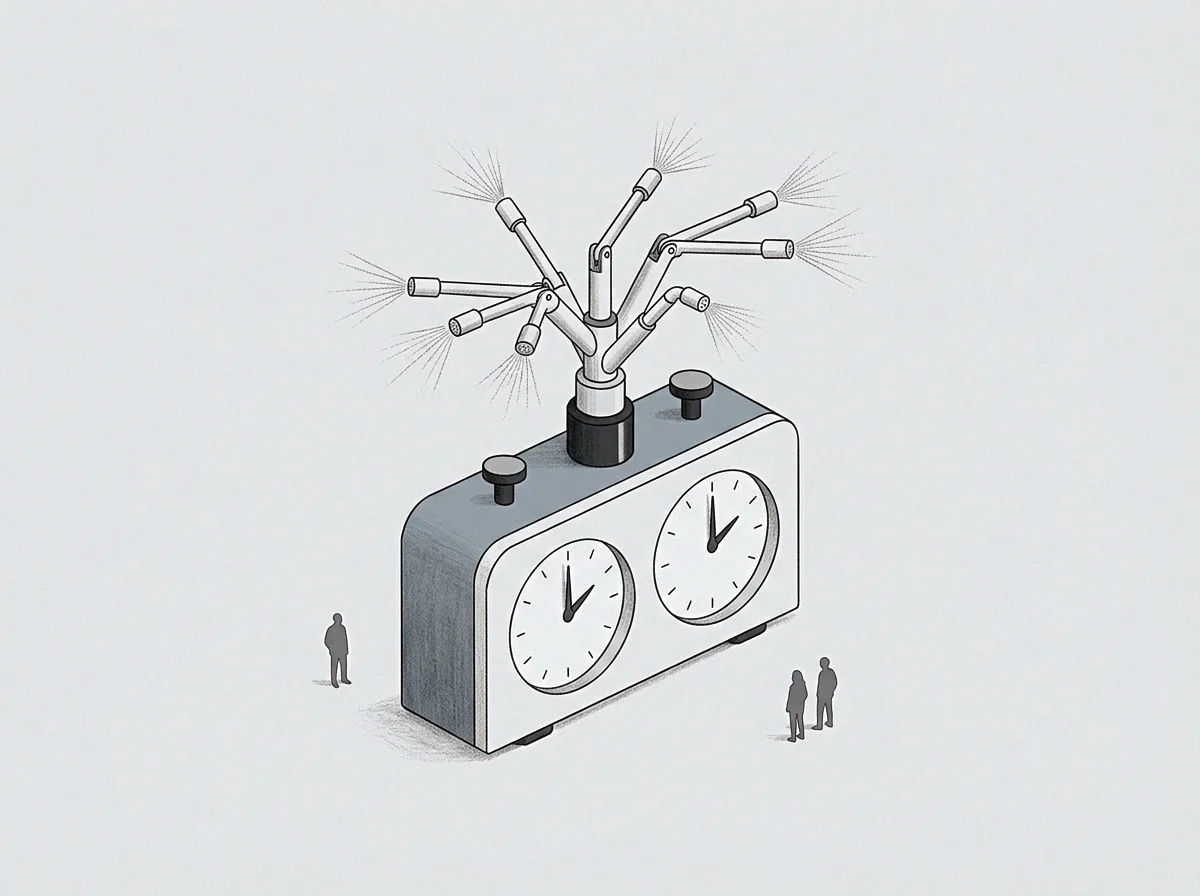
Systemic friction intensifies when the primary explicit route and the legacy tacit route produce contradictory outputs. Divergence occurs when the successor utilizes codified metrics to execute strategy, while the predecessor relies on historic intuition to evaluate organizational health. The organization receives two opposing control signals simultaneously.
Tacit rules overrule explicit code.
The legacy seat holds veto authority.
This epistemic disparity breaks operational clarity. Department heads attempt to optimize performance for two incompatible criteria. One criterion focuses on explicit targets set by the successor.
The second criterion focuses on unstated expectations enforced by the predecessor through informal review calls. The result is structural paralysis across mid-level management.
Tacit Knowledge Residue and Systemic Friction
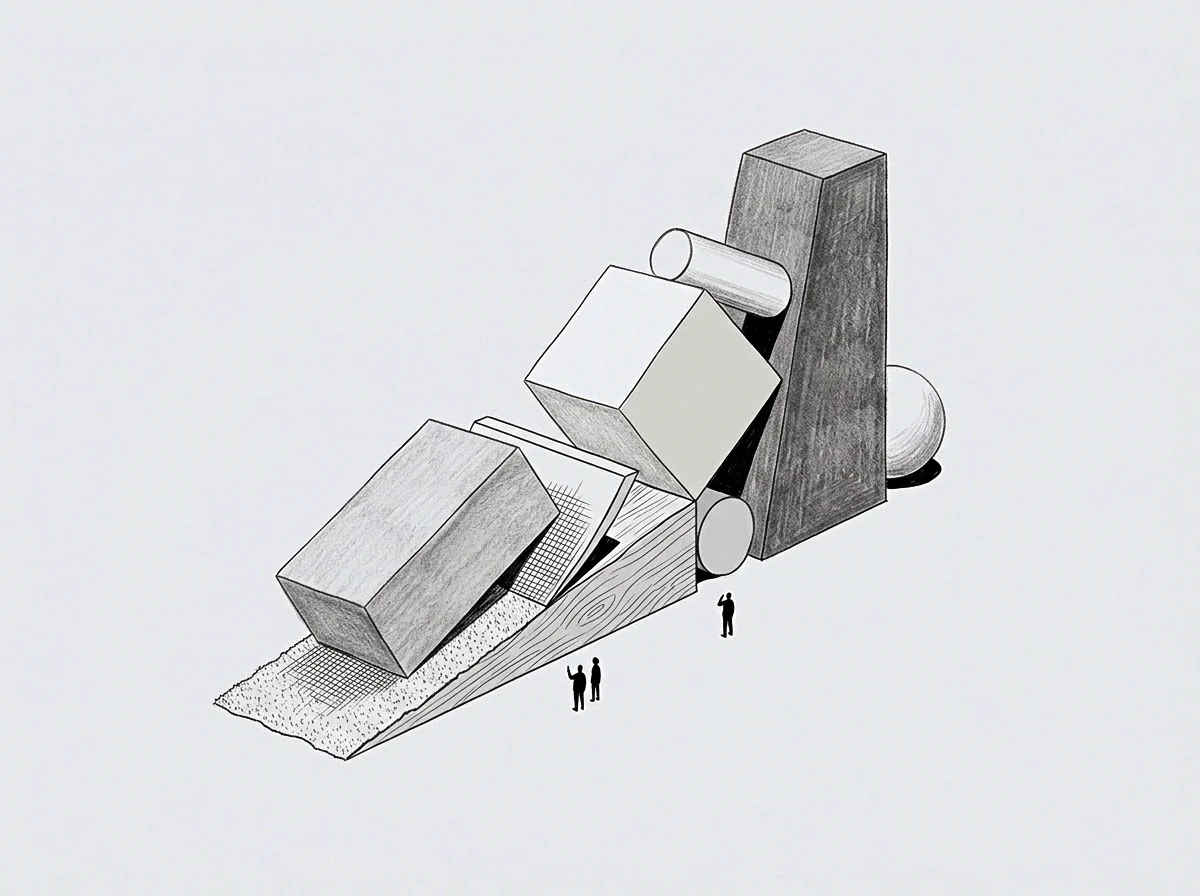
Tacit knowledge residue represents the unwritten operational logic that remains trapped inside the predecessor’s habits rather than transferred into explicit protocol. When a successor takes a seat without receiving full codification of legacy workflows, the organization relies on the predecessor to resolve novel edge cases. This dependency perpetuates the dual routing topology.
In mid-sized service firms, codification of client management protocols frequently stalls at high-level policy guidelines. The nuanced relationships, custom pricing flexibilities, and informal service agreements stay resident in the founder’s personal memory. Successors attempting to execute standard contract terms encounter client resistance, forcing them to re-route pricing decisions back through the founder.
The explicit pricing framework fails because the underlying tacit knowledge was never converted into accessible rules.
Removing structural delay requires a systematic progression to measure, decouple, and terminate parallel decision paths during leadership transfer:
- Map all operational decision flows to identify where informal validation loops intersect explicit authorization steps.
- Quantify the reconciliation latency by tracking the time elapsed between initial proposal filing and final operational sign-off.
- Audit tacit knowledge concentration by documenting every operational query that requires direct escalation to the former seat holder.
- Establish clear spend and operational velocity thresholds that grant exclusive decision rights to the successor without secondary review.
- Decommission informal communication channels between legacy owners and operational staff to enforce single-path routing.
A successor attempting to run an organization while the founder retains an unmonitored back-channel for staff approvals will spend more time managing internal politics than pursuing external strategy.
We cannot execute these new operational guidelines while every major expenditure still requires an informal chat at the weekend.
Switch
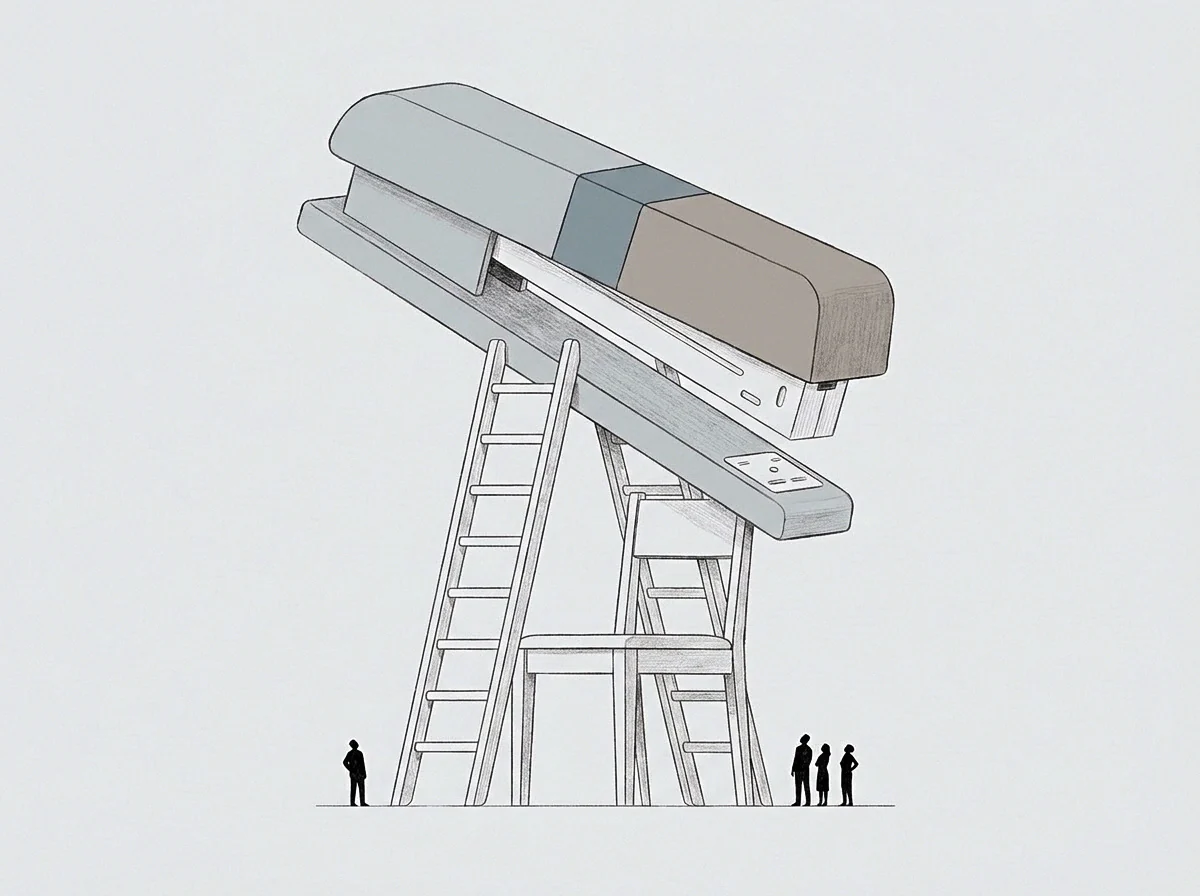
Terminating dual routing systems demands a decisive shift from parallel processing to single-path execution. This transition cannot occur through gradual decay of the legacy channel. It requires explicit decommissioning of fallback routes, structural removal of informal sign-off steps, and total transfer of governance authority to the new seat holder.
The primary route stays empty.
Operational latency creates temporary friction.
Scaffold removal must follow a rigid sequence. In the initial stage of handover, parallel routing provides a safety net while the successor absorbs organizational context. However, leaving this scaffold intact beyond its planned lifecycle institutionalizes structural delay.
The organization builds permanent workarounds around the assumption that two authorization signals are always required.
Decommissioning Fallback Paths in Succession
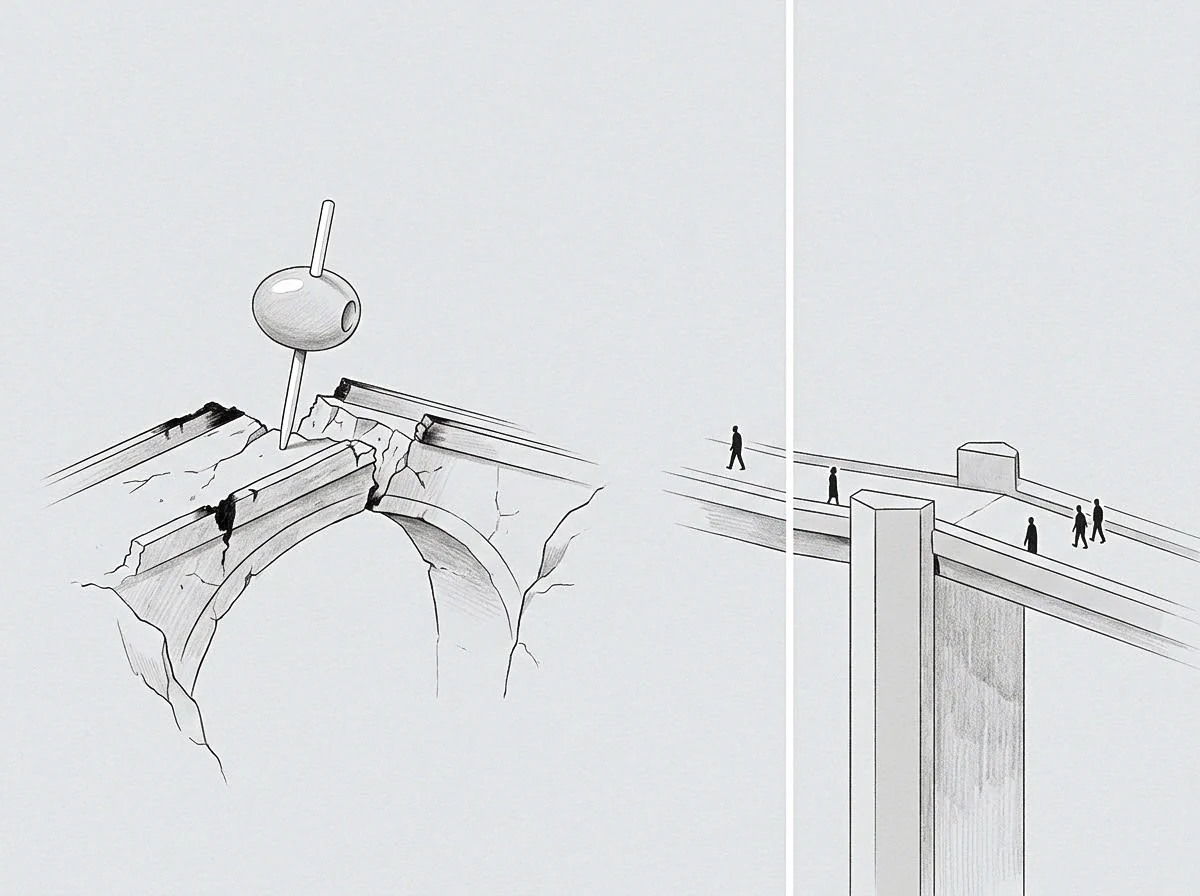
Decommissioning begins by closing the informal channels that bypass the formal operator seat. Legacy seat holders must relinquish direct operational messaging access with mid-level staff, re-routing all incoming queries directly to the successor. Board governance protocols must explicitly forbid offline approvals, forcing all strategic input through official board meetings.
When fallback paths are permanently sealed, the organization experiences an immediate drop in verification overhead. Decision velocity accelerates as department heads realize that the explicit channel is the sole route to project execution. The capacity previously lost to reconciliation returns to the executive seat, providing the operational focus needed to drive firm performance.
Calculating structural delay provides the precise metric needed to justify this final switch. By demonstrating the total capacity bill of dual routing systems in lost hours and delayed projects, leaders can establish hard boundaries that protect the successor’s seat and ensure organizational continuity.