
Designing Independent Board Structures To Constrain Shareholder Interference In Succession
Independent board structures constrain shareholder interference by legally separating beneficial equity ownership from executive appointment and daily operational authority.

Shield
An outgoing executive sits before three unread drafts of an employment agreement at midnight, calculating which equity holder will phone the incoming chief executive first. The capitalization table allocates fifty-one percent of voting control across two private family trusts, while the executive suite runs on delegated operational discretion. When the person who occupied the executive office vacates the desk, that informal operational discretion evaporates instantly.
Surviving equity holders routinely bypass the formal corporate hierarchy, delivering directives directly to division managers and second-tier supervisors.
Corporate statutes in most jurisdictions assign general business management to directors rather than shareholders. In firms with concentrated ownership, this legal boundary collapses the moment a succession event starts. Departing owners frequently attempt to manage the transition through personal goodwill or bilateral memos left in a desk drawer.
That goodwill disperses within months. A successor who attempts to govern through informal consensus finds their daily authority eroded by backchannel demands from significant owners.
A succession plan functions only when structural distance absorbs the personal anxiety of concentrated capital.
The protective barrier between capital allocators and operational executives requires formal codification before the handover window begins. Without an intermediary layer possessed of statutory authority, the incoming leader faces conflicting instructions from rival shareholder blocs. The board of directors exists precisely to occupy this jurisdictional territory.

Separating Beneficial Interest From Executive Selection
Investors holding substantial blocks of equity frequently conflate capital risk with managerial competence. Their financial exposure creates continuous panic regarding asset preservation, prompting direct interference in the appointment and evaluation of operational executives. A properly insulated corporate structure assigns total nomination authority to an independent governance committee.
This committee operates under explicit delegated mandates that prohibit individual equity holders from conducting unilateral interviews or issuing candidate scorecards.
Empirical studies in corporate governance confirm that firm survival rates improve when controlling families transfer chief executive selection to boards dominated by independent professionals. When owners retain selection authority, they consistently optimize for familial obedience or historical loyalty rather than operational execution. The independent committee evaluates candidate capability through standardized performance rubrics, market compensation benchmarks, and structured evaluation matrices.
Ownership interests remain confined to voting on director slates at annual shareholder assemblies.
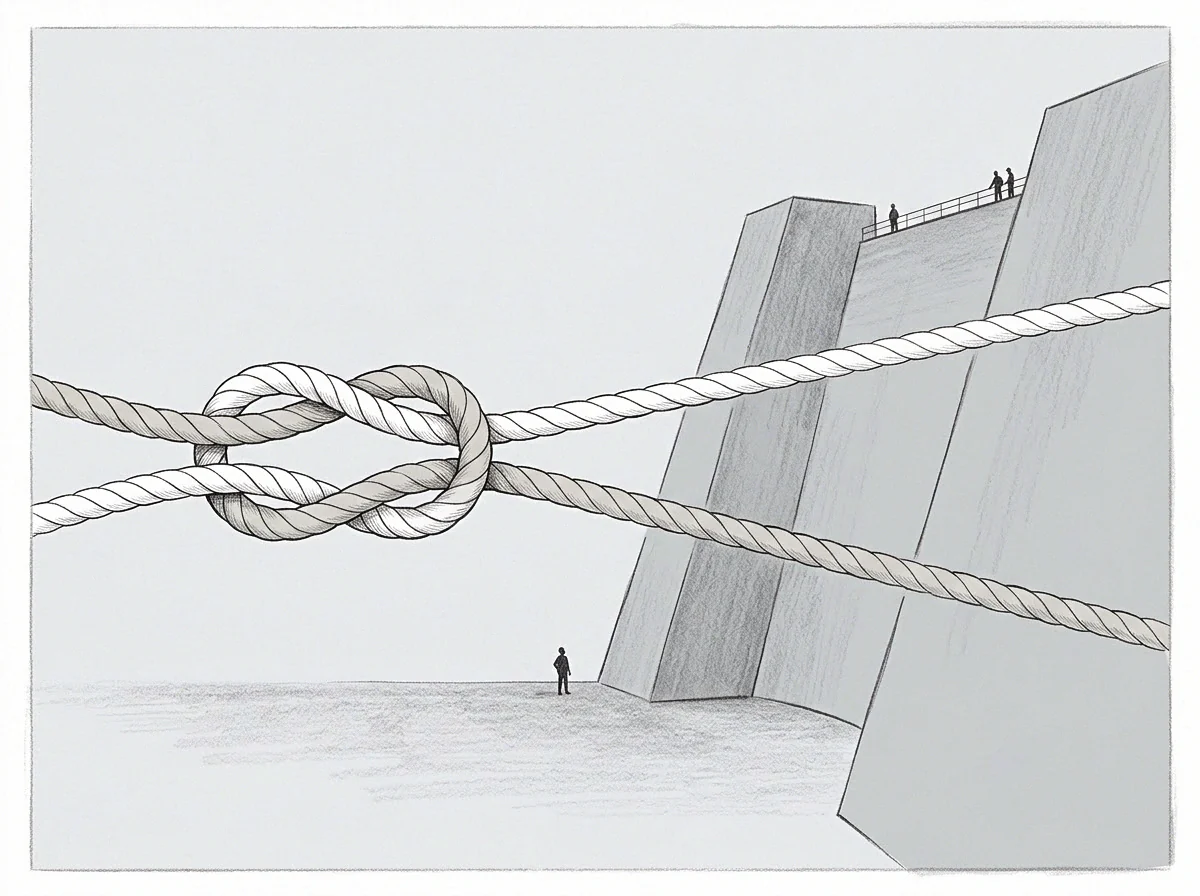
The Friction Stage During Leadership Handover
Every operational transition passes through an interim period where the incoming leader holds formal title without full command of tacit organizational routines. Employees instinctively check the incoming leader’s directives against the presumed wishes of dominant owners. If significant shareholders maintain informal communication channels with senior managers, the new executive’s decisions are perpetually appealed upward.
The organization experiences paralysis. Decisions stall while managers wait to see whether the board or the cap table holds authentic power.
Independent directors resolve this jurisdictional ambiguity by establishing strict contact protocols between owners and executive personnel. Operational queries originating from shareholders must route through the board chair. Any direct instruction sent from an equity holder to an operating officer triggers an automatic compliance review.
Sovereignty stays where the legal charter places the operational checkbook.

Protocol
Formal instruments protect the incoming leadership team from predatory shareholder interference only when legal documentation eliminates informal backchannels. When major equity holders retain informal consultation privileges, they exploit ambiguity to overrule executive decisions during the early transition quarters. The corporate charter and shareholder agreements must articulate clear jurisdictional boundaries that separate investor oversight from executive execution.
A rigorous governance structure establishes three binding restrictions on major shareholders during any planned succession window:
- Information access ceilings restrict individual equity holders to quarterly financial statements and statutory reports, eliminating direct operational data requests to finance staff.
- Direct contact bars prohibit unilateral meetings between controlling shareholders and executive candidates during the formal evaluation sequence.
- Supermajority independent approvals mandate that any executive removal inside twenty-four months demands seventy-five percent assent from non-shareholder board members.
A voting trust that strips individual intervention powers preserves operational continuity during executive succession.
These legal mechanisms prevent minority coalitions or dissident majority owners from destabilizing the newly appointed operating officer. Institutionalizing these constraints inside shareholder agreements transforms informal boundary disputes into enforceable contractual violations. A shareholder who attempts to bypass executive authority faces immediate loss of specific board appointment seats.

Delegated Authority Schedules
Operational autonomy remains an abstract concept until the board documents exact capital allocation limits. A comprehensive delegation matrix defines monetary thresholds within which the incoming chief executive exercises unfettered operational discretion. Capital expenditures below five million dollars require only executive sign-off, completely exempt from investor consultation or board ratification.
Personnel adjustments up to the executive vice-president tier remain exclusively inside managerial discretion.
Documenting these explicit limits prevents capital holders from micromanaging daily operations under the guise of fiduciary duty. Major shareholders often attempt to define every managerial hiring choice as a material corporate transaction. The delegation matrix closes this loophole by categorizing departmental appointments as routine operational management.
Independent directors audit adherence to the matrix during scheduled committee sessions, shielding operational leaders from ad hoc shareholder inquiries.
A clause stripping board representation from any shareholder who violates the direct contact prohibition eliminates the threat of informal executive overrides.

Screen
Independent directors serve as a cognitive filter between emotional owners and the incoming leadership team. Concentrated owners view executive succession through the lens of identity preservation and historical precedent. An independent director views executive succession through the lens of capital efficiency, risk mitigation, and competitive adaptation.
This divergence in perspective makes independent boards indispensable during succession milestones.
To insulate the business, the nominating committee must hold complete autonomy over candidate sourcing, vetting, and final appointment. Equity owners often champion internal loyalists who mirror the departing leadership profile. Independent directors identify external professionals equipped to execute multi-year transformations that legacy owners instinctively resist.
A fully independent nominating committee insulates executive search procedures from historical family biases.
The operational gap between investor-led succession committees and independent board committees produces distinct corporate trajectories, as detailed in the structural comparison below.
| Governance Dimension | Direct Shareholder Committee | Independent Board Committee |
|---|---|---|
| Candidate Sourcing Strategy | Internal networks, familial contacts, long-tenured company loyalists | Open market executive search, objective competencies, external competitors |
| Evaluation Criteria | Preservation of historical culture, personal deference to controlling family | Documented operational capability, unit economics, organizational scale capacity |
| Operational Autonomy Granted | Conditional discretion subject to ad hoc shareholder review and informal veto | Defined delegated authority schedule protected by board resolutions |
| Executive Retention Window | Average nineteen months due to unresolvable backchannel friction | Multi-year employment agreements with structured milestone metrics |
The structured comparison illustrates the systemic vulnerability of investor-dominated succession committees. When shareholders drive executive selection, candidates spend forty percent of their cognitive capacity navigating interpersonal dynamics and backchannel lobbying. Independent boards restore professional discipline to executive hiring by decoupling compensation incentives from personal deference.
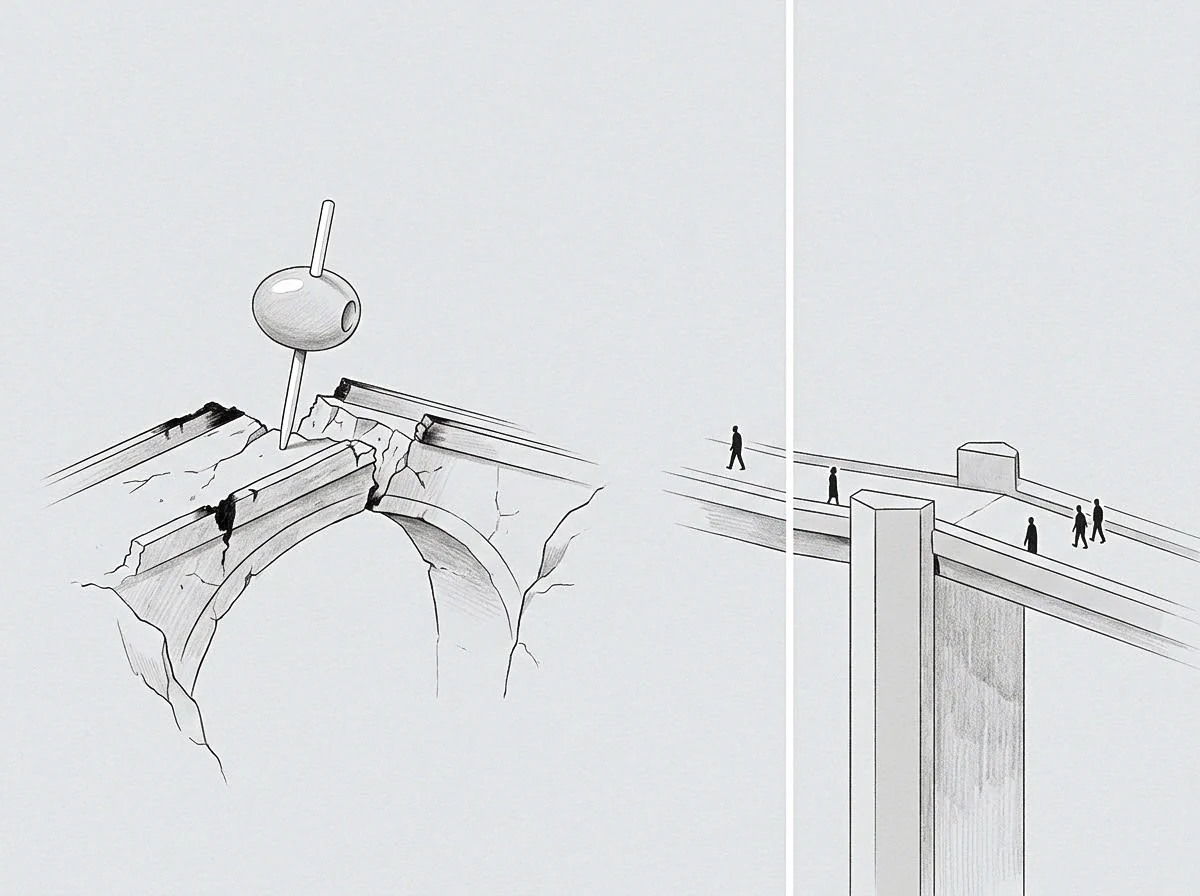
Managing The Departed Executive Presence
Friction peaks when an outgoing chief executive transitions into the board chairman role while maintaining a massive equity position. The retired executive retains immense tacit authority inside the organization. Long-serving employees inevitably bypass the incoming leader to seek informal blessing from their previous superior.
This parallel power structure cripples the new executive within ninety days.
An effective corporate structure enforces a mandatory one-year separation window during which the retired executive holds no board seat, committee assignment, or corporate office. If the retired executive retains a board position, independent directors create a lead independent director role vested with exclusive authority over board agendas and executive performance evaluations. The retired executive attends quarterly meetings as a passive participant, barred from operational debriefings.
We built this enterprise over thirty years, so our informal feedback should never be restricted by legalistic board committees.
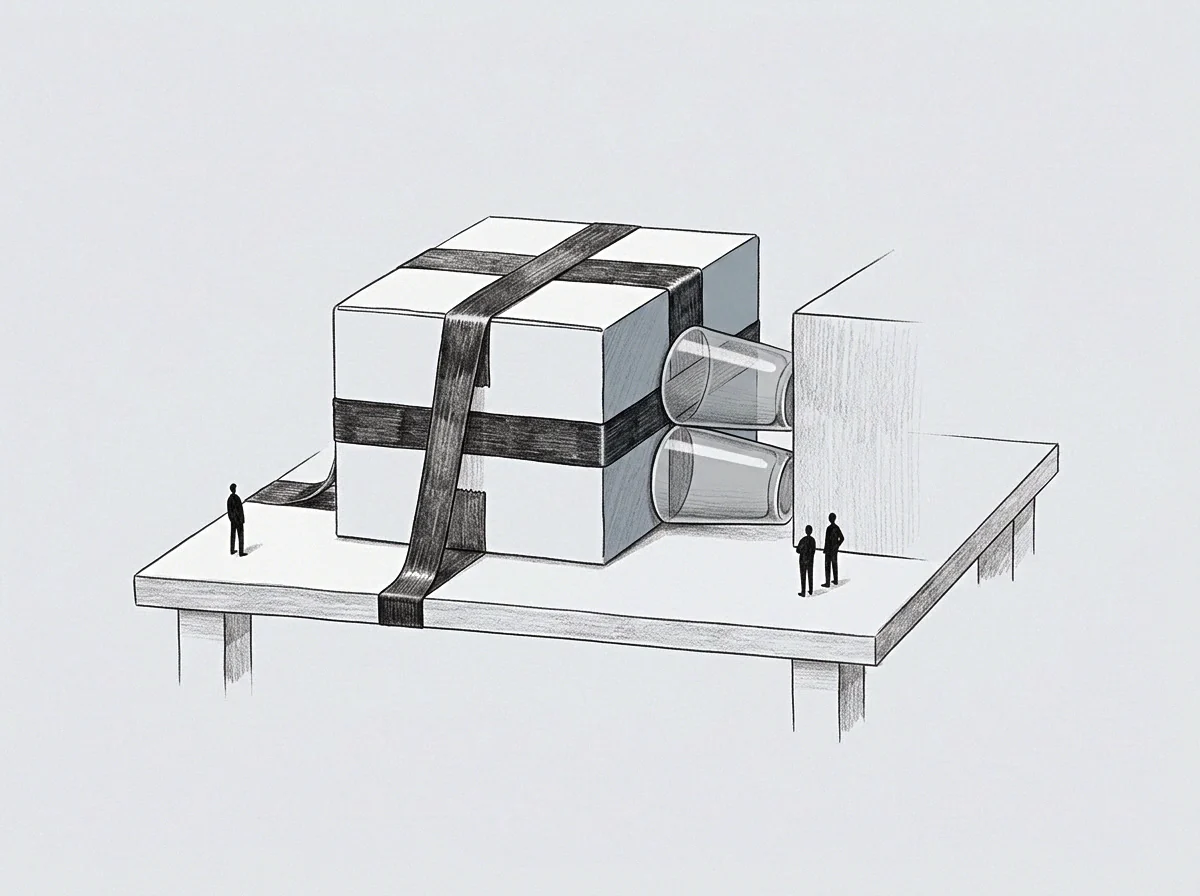
Charter
Securing structural autonomy for an incoming leadership team requires enforceable provisions inside founding bylaws. Informal pledges made by family patriarchs or controlling founders deteriorate when quarterly returns fluctuate. Incorporating specialized governance clauses into the corporate charter transforms behavioral expectations into statutory boundaries that survive ownership turnover.
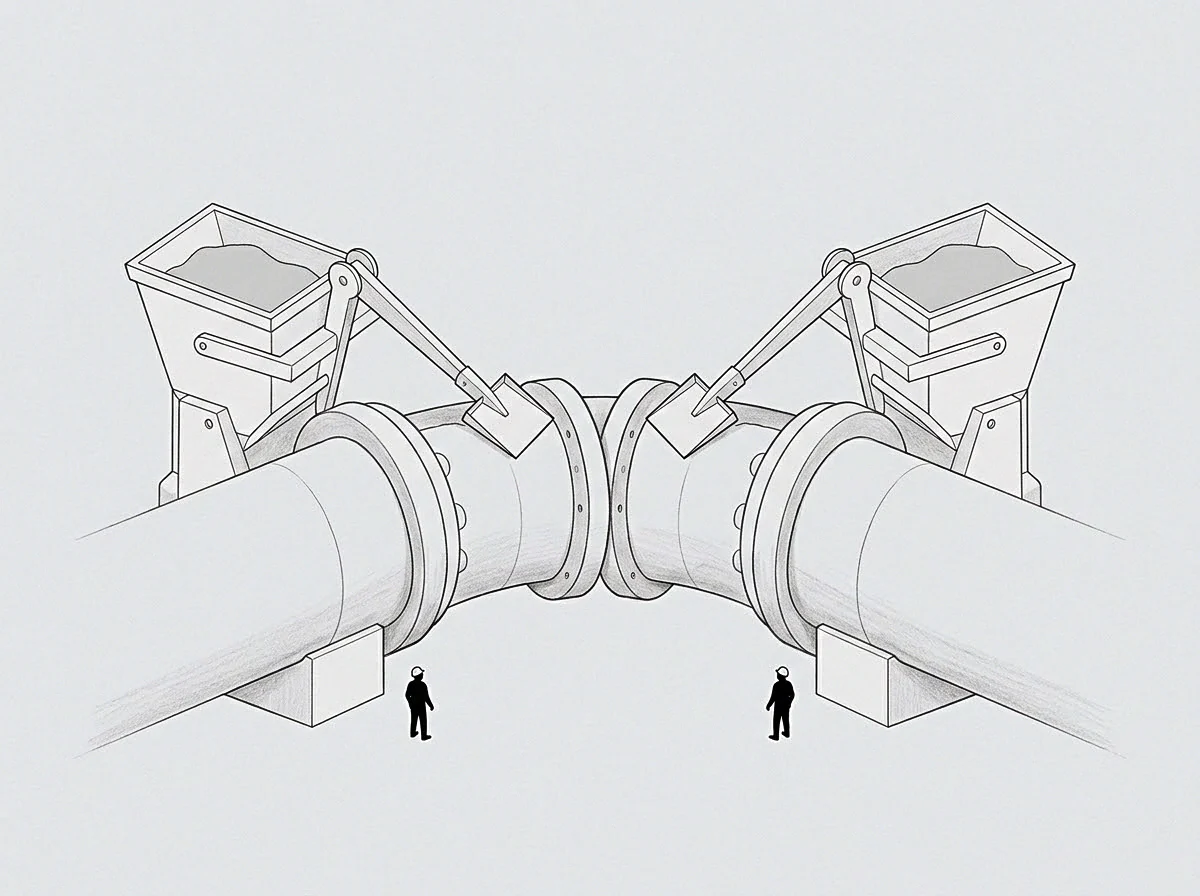
What Triggers Direct Shareholder Interference In Leadership Handover?
Operational downturns during the initial four quarters of an executive transition regularly ignite shareholder panic. When early financial reports show margin contraction from transition costs, controlling owners panic and attempt to reclaim operational reins. They demand emergency shareholder votes, initiate covert strategy sessions with executive staff, and criticize new operational initiatives in open corporate forums.
Independent boards neutralize this dynamic by embedding transition stabilization clauses directly into employment contracts. These terms specify that early performance metrics account for transition restructuring expenses, prohibiting executive termination without cause during the initial eighteen-month window. Major shareholders cannot execute sudden operational adjustments without formal board resolutions requiring supermajority independent director consent.

Sequenced Handover Architecture
A transition sequence requires deliberate staging to transfer statutory and organizational authority cleanly without generating power vacuums:
- Charter amendment execution incorporates independent director supermajority requirements and explicit delegation schedules into statutory corporate records six months prior to candidate recruitment.
- Search mandate handover confers exclusive candidate vetting, compensation negotiation, and appointment authority to the independent governance committee.
- Operational cut-off milestone terminates the outgoing leader’s operational signature authorities on the successor’s official start date.
- Communication firewall activation mandates that all subsequent shareholder operational communications route through independent board counsel.
Omitting any step in this sequence guarantees shareholder encroachment into daily operations, resulting in rapid executive resignation and costly governance litigation.

Circuit
Power inside an enterprise moves along the path of least resistance. When institutional barriers between ownership and management are weak, shareholder capital exerts direct downward pressure on daily operations. This downward pressure crushes executive initiative and creates pervasive organizational cynicism.
Middle managers quickly discern whether corporate directives originate from formal executive offices or private phone conversations between controlling investors.
Independent directors act as electrical circuit breakers within the corporate structure. When an emotionally reactive shareholder attempts to push operational commands down to division leaders, the independent board absorbs the impact and neutralizes the transmission. The incoming chief executive remains focused on core commercial objectives, insulated from the psychological anxieties of capital holders.
Corporate vitality diminishes when operational executives spend their hours placating non-operating equity owners.
Designing this governance architecture demands substantial emotional and financial investment from controlling shareholders. Founders must accept that their historical role as absolute operational sovereign has ended. Investors must acknowledge that their equity ownership entitles them to residual economic cash flows, not operational steering wheels.
Whether controlling shareholders possess the psychological restraint necessary to honor the structural independence of their appointed successors remains the fundamental dilemma of private enterprise governance.