Meaning
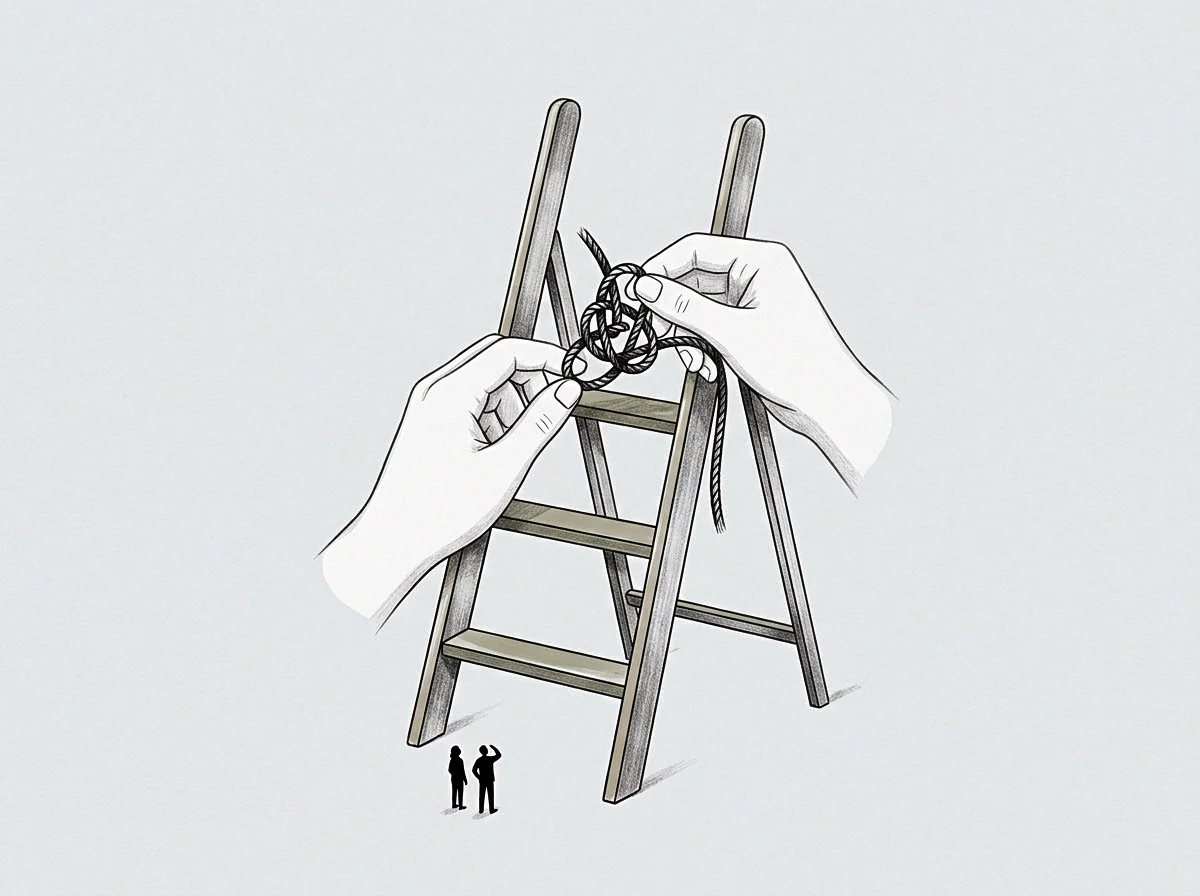
The transfer of senior leadership is evaluated by the continuous stability of corporate operations rather than the personal legacy of the departing executive. A structured executive succession requires the systematic preparation of potential leaders to assume the primary operational responsibilities of the business. This process minimizes the risk of service disruption during the transition period.
Leadership Transfer
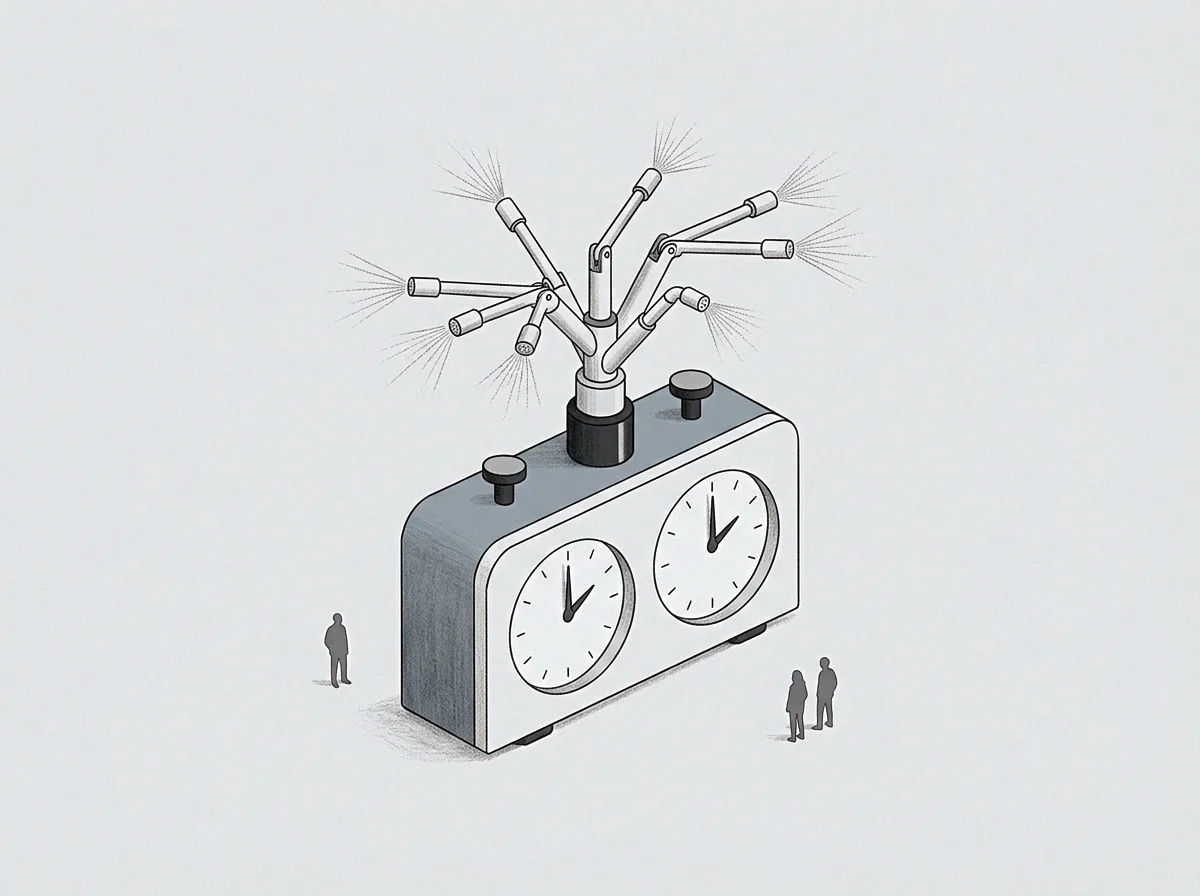
The transition must follow a predefined timeline to avoid confusion among partners. An effective executive succession uses a detailed training schedule to transfer operational knowledge to the designated successor. This training ensures that the new leader is ready to manage the daily operations of the firm.
It also gives the successor time to build relationships with suppliers and major institutional clients before taking full control.
Governance Transition
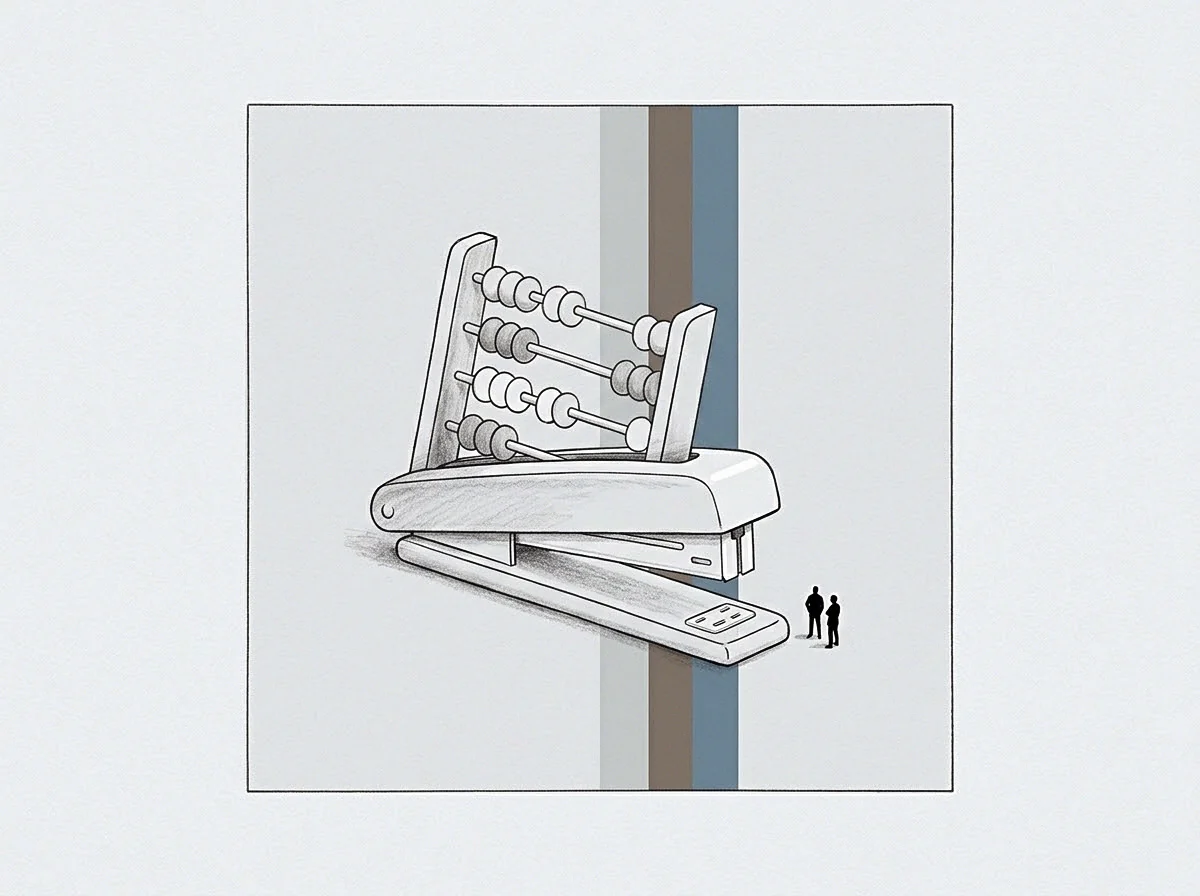
The board must carefully manage the shift in supervisory power. During an executive succession, the role of the departing founder changes from active operational leader to non-executive advisor. This change prevents the founder from interfering in the executive decisions made by the new management team.
Success Metric
The speed of leadership integration indicates the success of the process. If the firm maintains its growth and retains its staff during the transition, the succession is considered successful. This outcome confirms that the organization has successfully institutionalized its operations.