
Measuring Knowledge Transfer Residue and Operational Drift Following Executive Succession Scaffolding Removal
Executive succession scaffolding removal causes operational drift when uncodified tacit heuristics fail to transfer from departed incumbents to incoming leaders.

Seat
Six hundred unread messages sit inside an administrative inbox on a Monday morning when the digital keys change hands. The incoming executive inherits twenty-two recurring calendar holds, sixteen undocumented approval channels, and a physical desk cleared of personal effects. What remains on the desk is a hardware authentication token, a three-ring binder containing static process maps, and credentials for eighteen software systems.
The calendars fall silent. The outgoing leader leaves the building at noon after a polite twenty-minute address to department heads. The successor spends the afternoon attempting to reconstruct why capital allocations over fifty thousand dollars bypass the finance committee and route directly through an off-grid messaging group.
A physical handover transfers administrative authority while leaving the operational model undocumented.
Succession planning often mistakes access credential reassignments for capability absorption. The predecessor ran the enterprise through an intricate web of personal relationships, unwritten risk thresholds, and pattern-recognition heuristics built over a decade of continuous tenure. These mental shortcuts dictated vendor selections, client dispute concessions, and resource shifts between divisions during cash contractions.
None of these decision engines exist within the standard operating procedures left behind. The successor possesses formal authority, yet the enterprise pauses, waiting for judgments that the procedural binders cannot generate.
Shadow Tenure and the Grip Stage
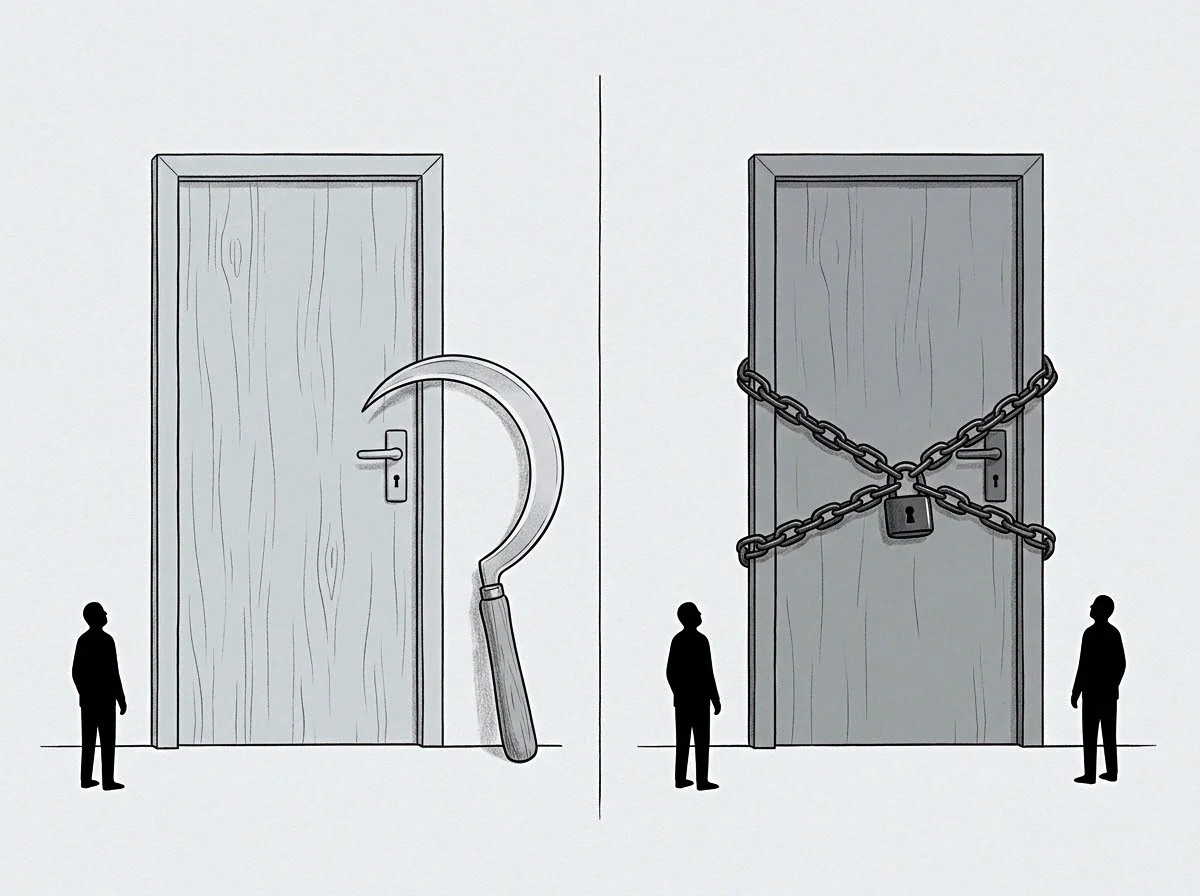
A successor enters an acute grip stage where formal accountability outpaces contextual comprehension. Operational rhythm slows because every non-standard exception demands diagnostic excavation. Subordinates bring problems to the new officer that previously resolved themselves through informal hallway conversations with the previous incumbent.
The incoming leader either approves actions blindly to maintain operational velocity or freezes execution to interrogate the historical rationale behind mundane routines. Both postures introduce immediate friction into previously fluid business cycles.
The enterprise attempts to bridge this void by retaining the departed officer on an advisory retainer. This arrangement introduces structural ambiguity into the chain of command. Department directors, unsettled by the successor’s procedural scrutiny, route sensitive queries back to the predecessor through personal telephone channels.
The outgoing executive answers these calls out of habit, providing off-record guidance that contradicts the successor’s public directives. Rather than facilitating knowledge absorption, this shadow tenure preserves parallel authority structures that actively delay executive succession completion.
The successor who operates without an unencumbered mandate absorbs the friction of the past without gaining the license to shape the present.

Silt
Decisions leave behind an uncodified residue that settles into organizational habits long after the reasoning behind them vanishes. Standard knowledge management theory posits that documentation captures institutional competence. Field evidence demonstrates that procedural documentation captures explicit facts while tacit heuristics resist transcription.
The uncodified heuristics govern high-stakes exceptions: when to forgive a customer contract breach, when to override an algorithmic inventory forecast, and how to assess executive talent during informal dinners. Tacit residue remains unmeasured.
The gap between documented operating protocols and operational practice represents knowledge transfer residue. When the predecessor vacates the position, this residue does not evaporate immediately; it decays over quarters as novel operational conditions invalidate historical rules of thumb. The successor attempts to govern through the explicit documentation, discovering that following documented guidelines creates operational gridlock.
The formal manuals specify what forms to file during an operational anomaly, yet omit the political coalitions required to expedite resolution through regional logistics teams.
Explicit documentation records the formal steps while omitting the social authority required to execute them.
Empirical investigations into professional role transitions indicate that incoming officers require between eighteen and twenty-four months to achieve baseline cognitive mastery over unwritten operational networks. When organizations truncate this learning cycle, structural vulnerabilities manifest across three primary failure modes:
- Relational capital evaporation occurs when key external stakeholders refuse to extend discretionary terms to an unknown successor who lacks historical personal rapport.
- Heuristic degradation accelerates when the incoming officer applies generalized executive dogmas to localized operating problems that originally evolved specialized compromise solutions.
- Informal network paralysis arises when mid-level managers stop making autonomous exceptions because the protective executive umbrella of the departed founder no longer shields them from internal audit exposure.
Documents capture static states. Organizational vitality relies on dynamic responses to fluid inputs. A manufacturing division, for instance, maintains a formal policy requiring three competitive bids for maintenance components.
The departed chief executive routinely bypassed this protocol by calling a trusted supplier during overnight production shutdowns, securing parts on verbal credit. The successor, following the written manual, enforces the competitive bidding protocol during an identical shutdown. The assembly line halts for thirty-six hours while procurement logs vendor estimates.
Compliance achieves perfection while production margins collapse.
Failure to quantify this operational gap before removing transition scaffolding forces the successor to relearn institutional exceptions through catastrophic service failures.

Brace
Scaffolding denotes the interim governance apparatus erected around an executive transition to stabilize enterprise performance during leadership substitution. These structures take physical and administrative forms: executive transition committees, dual-sign-off protocols, board-mandated shadowing periods, and structured mentoring sessions. Scaffolding exists to absorb volatility, yet its prolonged presence introduces structural atrophy.
The organization adjusts to the protective brace rather than building independent operational strength under the new executive. Authority shifts overnight.
Has Executive Shadowing Suppressed Latent Variance?
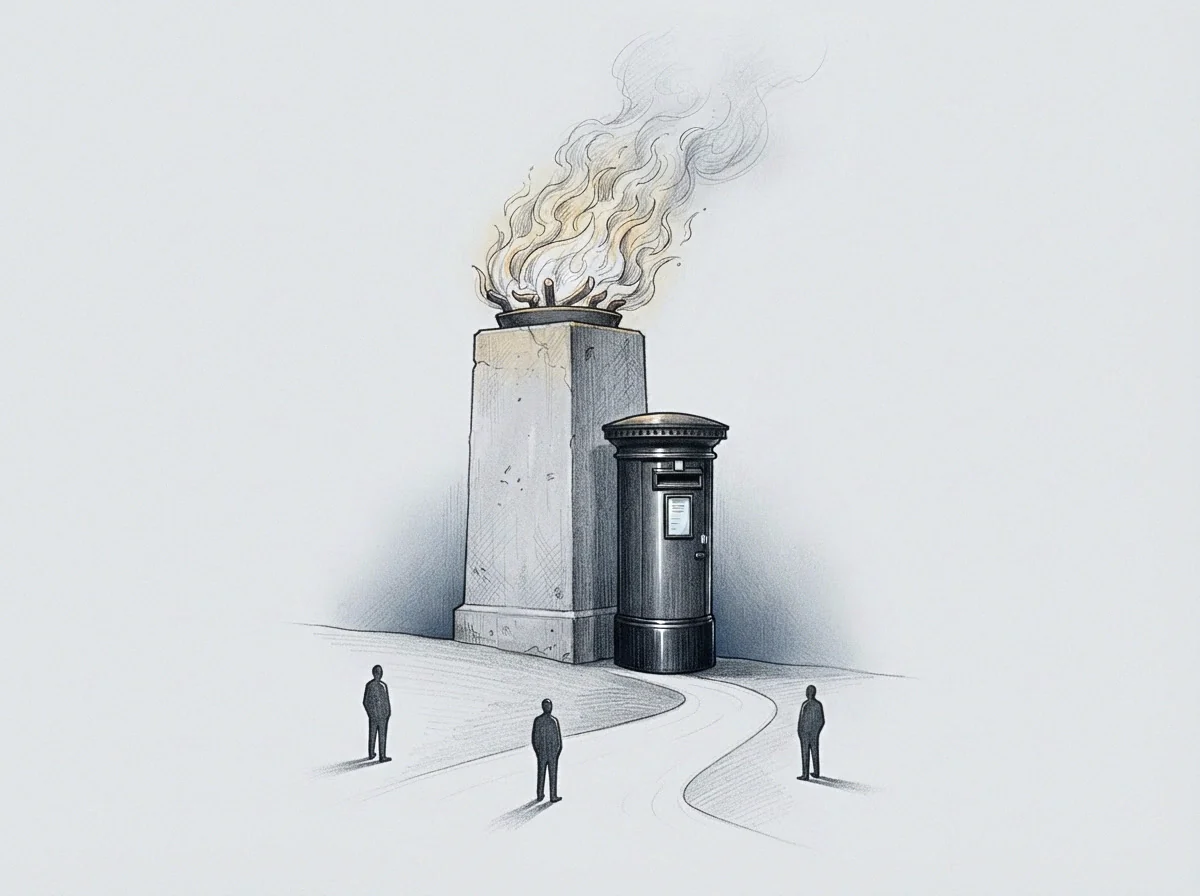
Prolonged co-leadership models frequently suppress operational variance without transferring operational competence. During joint-tenure arrangements, the incoming executive operates in the cognitive shadow of the outgoing incumbent. Subordinates monitor the predecessor’s nonverbal reactions during strategy reviews, discounting the successor’s verbal instructions whenever ideological divergence appears.
The organization exhibits artificial stability because the predecessor continues to absorb unwritten institutional shocks behind closed doors. Interference masks incompetence.
Removing this scaffolding abruptly reveals latent functional divergence. An organization must choose between three distinct scaffolding removal architectures, each carrying specific systemic tradeoffs:
- Immediate unilateral severance terminating all predecessor communication on day one, exposing operational deficits rapidly while preserving unified executive authority.
- Milestone-gated attenuation tying predecessor withdrawal to objective competency verifications, minimizing operational shock while introducing prolonged evaluation disputes.
- Temporal phased withdrawal reducing predecessor contact hours along a calendar schedule, maintaining predictable timelines while risking sudden performance decay during complex market shocks.
The table below examines the institutional consequences across these scaffolding removal mechanisms under identical enterprise operating conditions:
| Removal Modality | Transfer Residue Retention | Mean Time to Drift Detection | Administrative Friction Level |
|---|---|---|---|
| Immediate Severance | Low retention with uncodified heuristics lost entirely | Four to eight weeks following transition | Low internal structural ambiguity |
| Milestone Attenuation | Moderate retention across targeted competency areas | Twelve to sixteen weeks following transition | High internal metric conflict |
| Temporal Withdrawal | High initial retention decaying along calendar lines | Twenty to twenty-four weeks following transition | Moderate cross-leadership friction |
The successor who discovers an undocumented supply chain bypass two weeks after the predecessor leaves the state cannot execute operational recovery through an empty email address. The board notes performance decline while the successor manages operational shock. The enterprise pays for scaffolding removal haste through client attrition and balance sheet concessions that proper sequencing would have prevented.
We thought you understood how this division operated when you signed the acceptance letter.

Skew
Performance degradation after succession scaffolding extraction rarely manifests as an immediate financial collapse. Systemic drift operates through micro-adjustments in operational precision, baseline tolerance dilution, and slow procedural compromises. The margin absorbs mistakes.
In industrial manufacturing, statistical process control tracks variation beyond three standard deviations from the operational mean. Executive succession requires identical analytical rigor. When the scaffolding falls away, the enterprise experiences subtle divergence from historical baselines across working capital cycles, customer concession frequencies, and employee voluntary departure rates.
Run charts reveal decay. The analytical move involves isolating operational drift from macroeconomic fluctuations through comparative cohort evaluation. When customer retention dips three percent across the broader economic sector while the specific operating division dips eleven percent following executive departure, the excess variance represents leadership operational drift.
This variance stems directly from unabsorbed residue: the new leader does not know which client complaints demand immediate executive intervention and which can proceed through routine customer support triage.
Systemic operational drift compounds silently until routine administrative exceptions trigger aggregate capacity failures.
Consider an enterprise running software engineering delivery across five global locations. The founding technical officer maintained an uncodified heuristic regarding code deployment readiness: regardless of automated test passes, features never deployed to production on Friday afternoons without personal inspection of server queue depths. This rule existed in no manual.
Following executive succession scaffolding removal, the new engineering vice president adheres to the documented continuous integration manual, authorizing automated deployments continuously. Server outages increase three hundred percent within ninety days. Heuristics erode under pressure.
Tracking this degradation demands objective instruments that measure operational velocity against historical variances. Organizations that track only quarterly net revenue overlook the leading indicators of administrative decay. Inventory turnover delays, invoice dispute resolution latency, and mid-level managerial turnover spikes signal operational drift months before financial statements register aggregate margin contraction.
Whether an organization can systematically isolate leadership residue from structural operational inertia without running controlled administrative stress tests remains unresolved within organizational research.

Joint
A durable executive succession finishes when structural decoupling leaves the enterprise fully independent of predecessor intervention. Decoupling demands discipline. The physical and digital separation must be absolute: revoke VPN credentials, eliminate shadow consulting retainers, reassign personal administrative assistants, and terminate informal executive committee invitations.
Retaining an outgoing founder on an ambiguous strategic advisory council creates an operational parasite that drains successor legitimacy. The predecessor departs cleanly.
A complete handover terminates informal communication channels before operational drift forces formal intervention.
Contracts define finality. Succession architecture requires definitive legal covenants that specify the termination of operational oversight. The operating agreement must articulate precise boundary conditions: the outgoing officer holds no equity voting proxies, maintains no office on corporate premises, and receives operational updates exclusively through formal quarterly shareholder disclosures.
When the transition framework establishes these structural boundaries early, the successor gains the institutional insulation required to absorb initial operational drift, adapt unwritten heuristics to new market realities, and rebuild operational velocity without managerial interference.
A succession transition clause specifying the total cessation of informal operational contact on day sixty transforms ambiguous executive shadowing into an unencumbered operating mandate.