Meaning
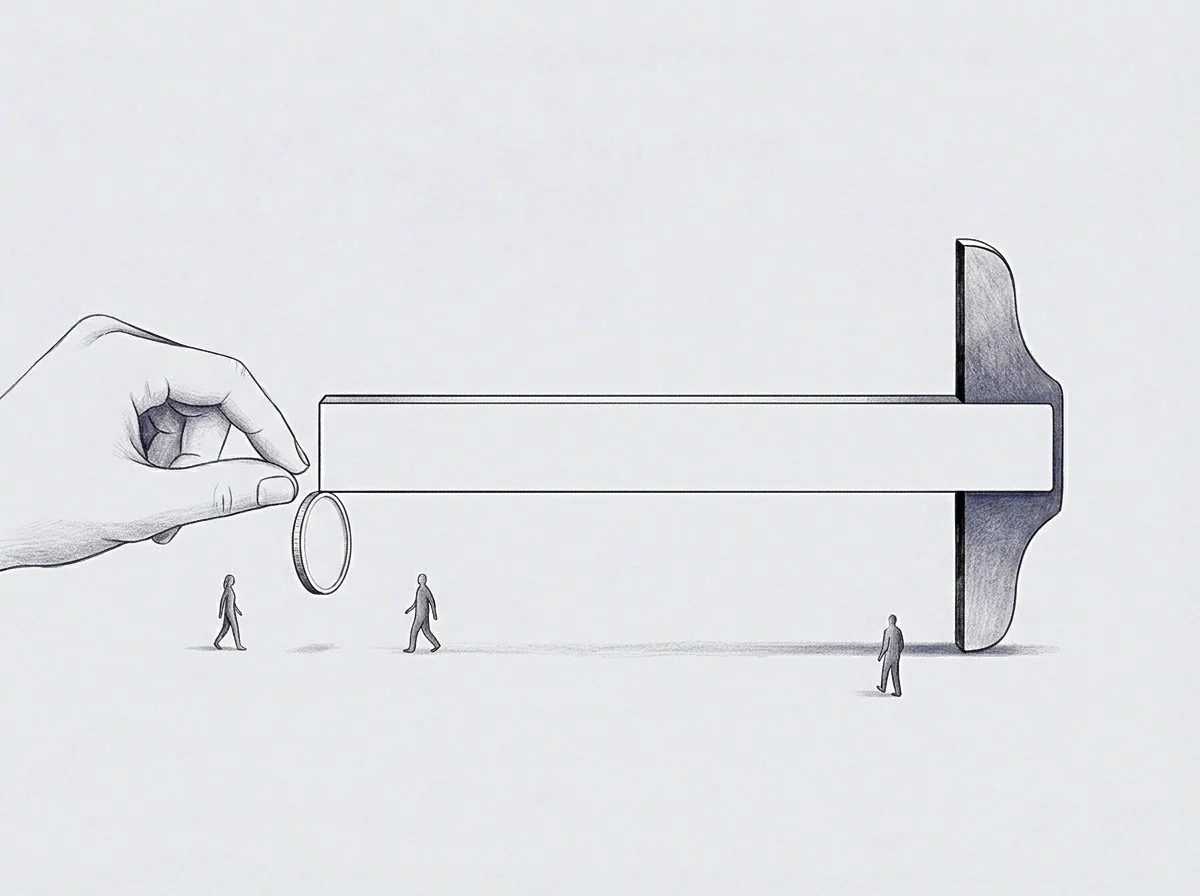
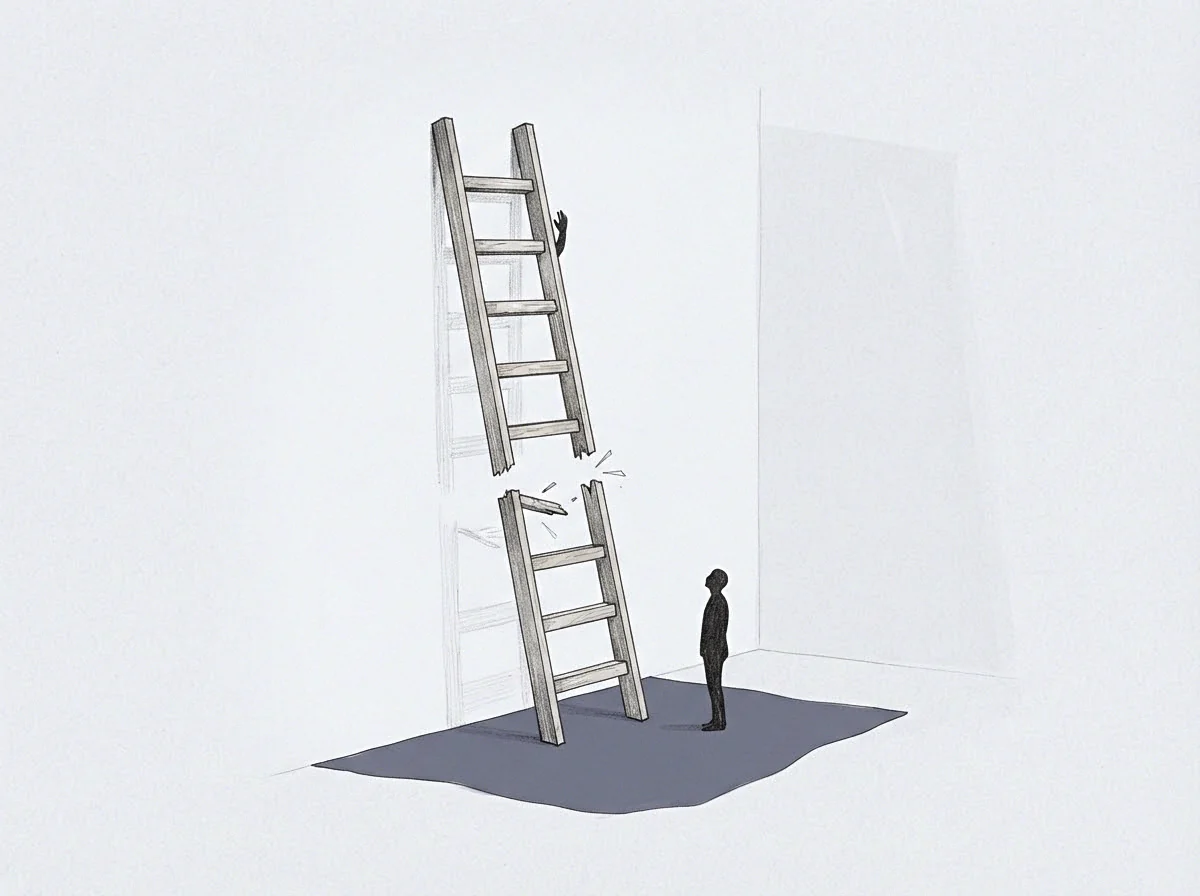
Deliberate withdrawal of temporary operational supports and advisory check-ins allows a new leader to assume complete autonomy. The execution of scaffolding removal tests the successor’s ability to run the business without the active assistance of the founder. It marks the final phase of a leadership transition, where the founder’s remaining oversight is eliminated.
This process terminates the dual-authority phase and establishes the new manager as the sole decision-maker for the organization.
Successor Autonomy
True executive independence is impossible to achieve while the founder is still available to make decisions. The practice of scaffolding removal forces the successor to take full responsibility for the outcomes of their choices. This shift changes the dynamics of the executive team, as managers must now look to the new leader for direction.
It is the moment when the successor truly owns the operational seat.
Founder Discomfort
Severing the daily ties to the business is often the most challenging part of the transition for the creator of the firm. The process of scaffolding removal requires the founder to watch the successor make decisions, and sometimes mistakes, without intervening. This inaction takes a toll on the founder’s patience and attention, as they must suppress their natural impulse to take control.
It requires a high degree of self-restraint and a willingness to accept short-term errors for long-term growth. When the founder fails to step back, the scaffolding remains, and the successor is never able to lead.
Timing Risk
Removing these supports too early can cause the leadership transition to collapse under operational strain. If scaffolding removal is executed before the successor has mastered the core workflows, the business can suffer from poor execution and low morale. The timeline must be based on the successor’s performance rather than arbitrary dates.